

Blog
Electric Forklift vs LPG Forklift: Which One Actually Makes Sense for Your Operation in 2026?

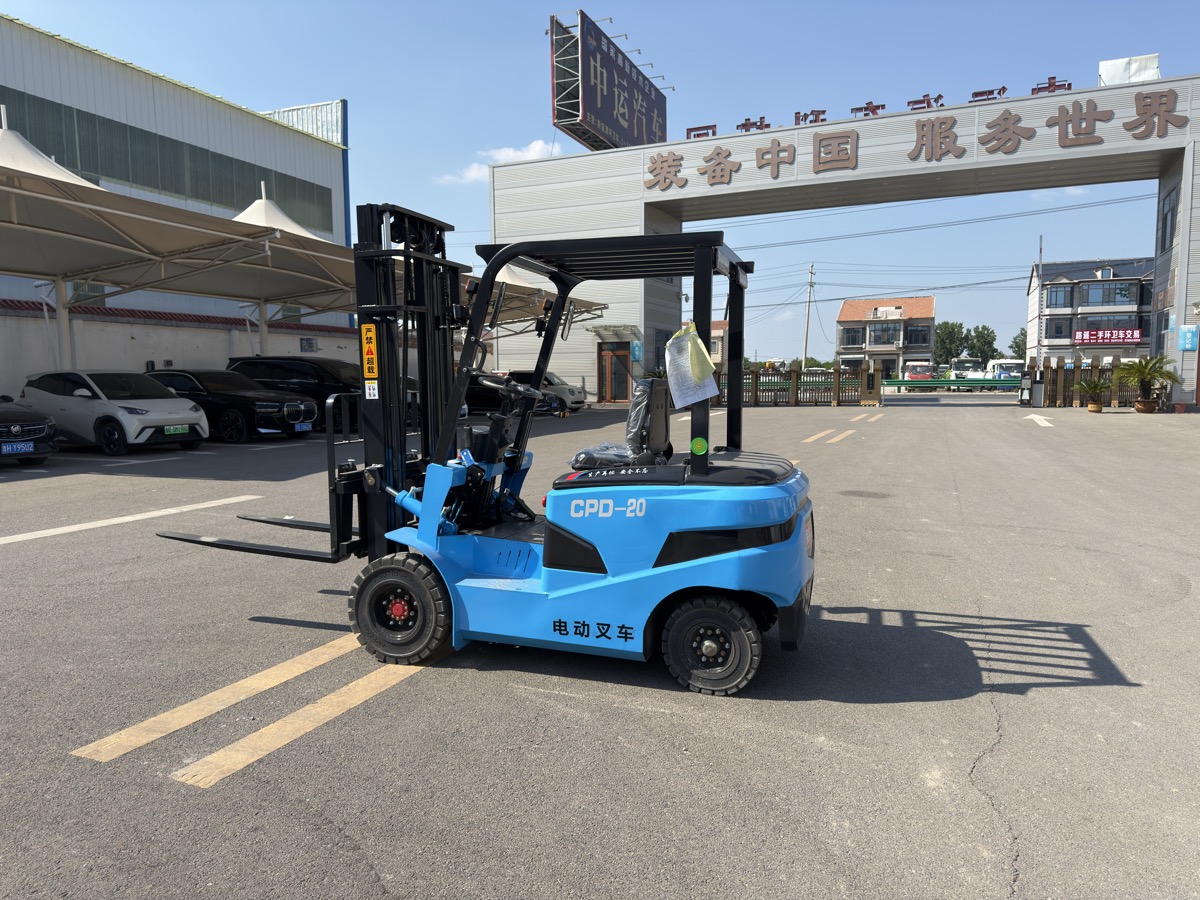
I’ve been in forklift sales for over a decade, and there’s one question that never goes away: “Should I buy electric or LPG?” Five years ago, my answer was always “it depends.” Today? For about 80% of the warehouses I talk to, the answer is “go electric — here’s why you’ll regret it if you don’t.”
That doesn’t mean LPG forklifts are dead. They still have real use cases, especially in heavy outdoor applications where charging infrastructure isn’t practical. But the economics have shifted dramatically since lithium battery prices dropped nearly 50% between 2022 and 2026. And the regulatory pressure? It’s only going one direction.
In this guide, I’ll break down the real-world comparison — not the marketing brochure version, but what actually happens on a warehouse floor after six months of operation. Costs, performance, maintenance headaches, and the hidden operational friction nobody puts in the spec sheet.
The Quick Breakdown: What Are We Actually Comparing?
Before we dive into numbers, let’s get clear on what we’re talking about:
Electric Forklift: Powered by a rechargeable battery — either traditional lead-acid or modern LiFePO4 lithium. Zero emissions at point of use. The motor delivers instant torque, and the whole machine runs at about 65-70 decibels — roughly the volume of normal conversation. Runtime depends on battery capacity: 5-7 hours for lead-acid, 8-10+ hours for lithium on a single full charge.
LPG Forklift: Runs on liquefied petroleum gas stored in a replaceable cylinder. It’s an internal combustion engine — same basic tech as your car, just built heavier for industrial use. Produces CO2, carbon monoxide, and nitrogen oxides as exhaust. Refueling takes about 3-5 minutes — just swap the tank. Can theoretically run 24/7 as long as you keep feeding it propane.
On paper, LPG wins on runtime flexibility. In practice? The math gets a lot more interesting when you look past the spec sheet.
Cost Comparison: The Numbers Nobody Wants to Talk About
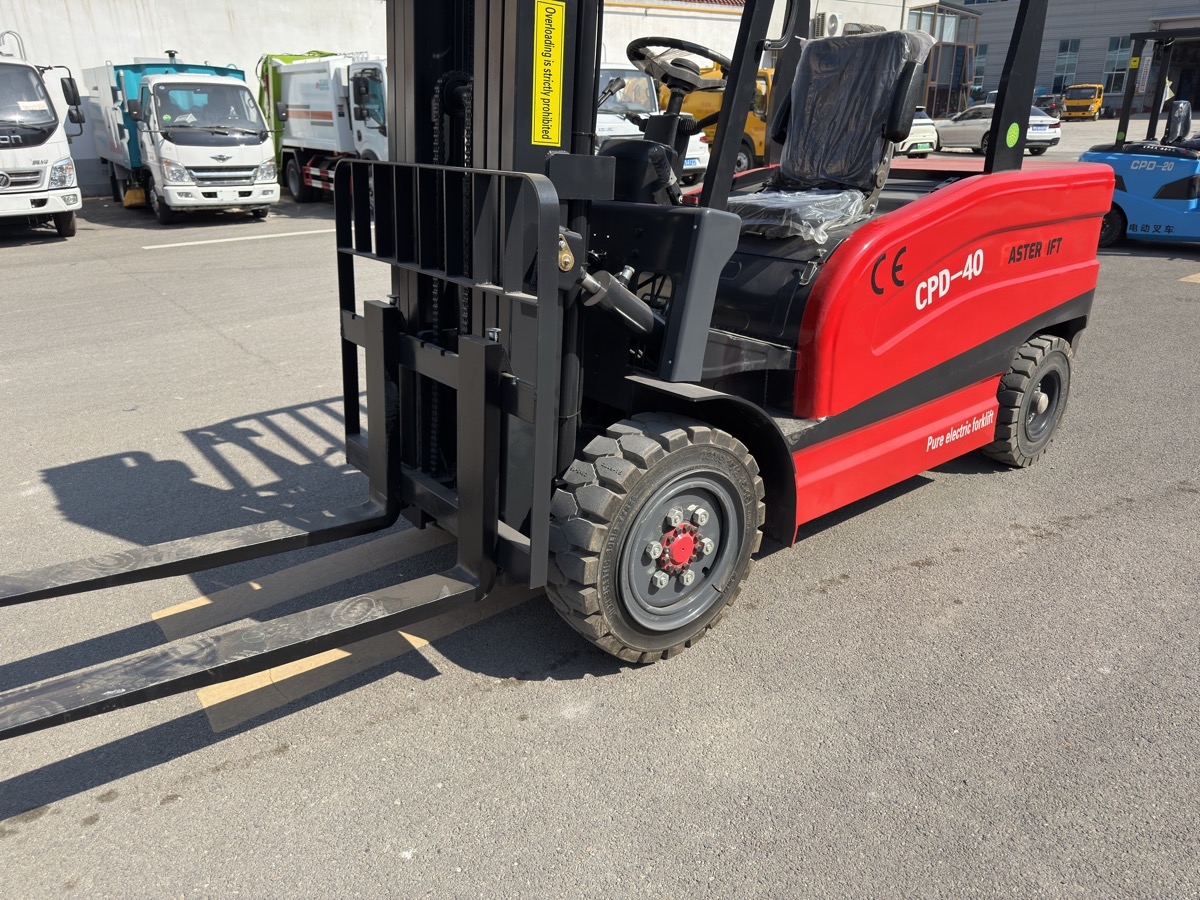
Here’s where things get uncomfortable for LPG fans. Let’s compare a 2.5-ton forklift — the most common capacity in warehousing — over a typical 5-year ownership period at 2,000 operating hours per year.
| Cost Category | Electric (LiFePO4) | LPG (Propane) |
|---|---|---|
| Purchase Price (FOB) | $5,250 – $7,200 | $4,800 – $6,500 |
| Fuel/Energy (Annual) | $800 – $1,200 | $3,500 – $5,000 |
| Annual Maintenance | $400 – $700 | $1,200 – $2,000 |
| Battery / Tank Costs (Annual) | $0 (battery lasts 8-10 yrs) | $200 (tank rental) |
| Engine Overhaul (Year 5) | $0 | $2,500 – $4,000 |
| 5-Year Total Cost | $12,000 – $16,500 | $24,000 – $32,500 |
The purchase price gap is maybe $500-1,000 in LPG’s favor. But over five years? The electric forklift saves you $12,000 to $16,000. That’s not pocket change — that’s literally a second forklift. We broke down the full TCO math in our 5-year electric forklift ROI guide with per-model projections.
And here’s the thing nobody mentions in the sales brochure: those LPG maintenance numbers assume you actually do the maintenance on schedule. Skip an oil change on an electric forklift? Nothing happens — there’s no oil to change. Skip one on an LPG? That engine isn’t making it to year 5 without a rebuild.
Performance: Where Each One Wins (and Where They Don’t)
This is where the LPG loyalists make their stand. “Electric can’t handle the workload.” “The battery dies mid-shift.” “You can’t run them outside.” Let’s go through each claim, honestly.
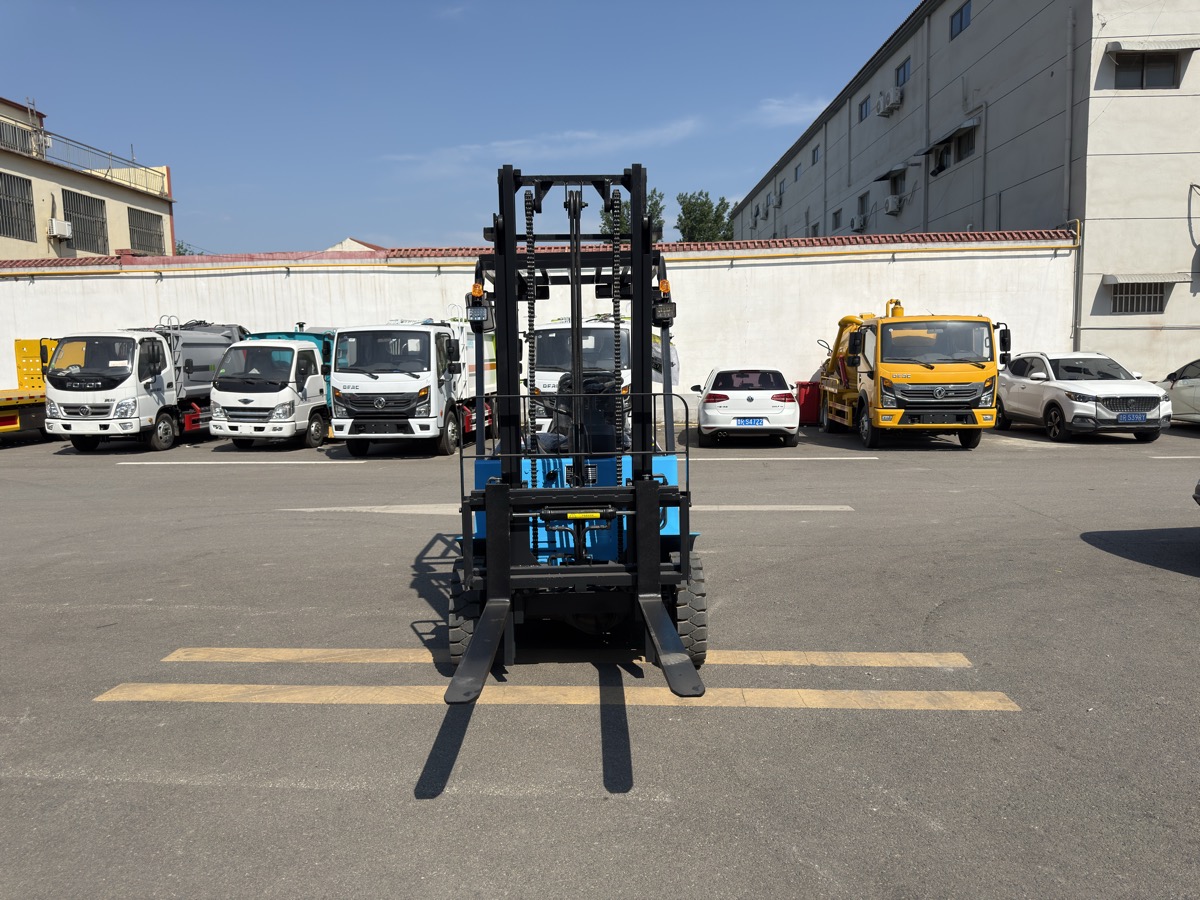
Power and Torque: LPG engines produce more horsepower at the top of the rev range — useful if you’re climbing 20-degree ramps with a full 3-ton load all day, every day. But here’s what matters for 90% of warehouse work: electric motors deliver 100% torque from zero RPM. That means an electric forklift jumps off the line faster and handles stop-and-go pallet moves more efficiently. For the typical warehouse cycle — pick up pallet, reverse, travel 50 meters, stack, repeat — electric feels peppier day-to-day. The AC motor technology in modern units (we covered this in our AC motor guide) has closed the performance gap significantly.
Runtime and Refueling: OK, LPG still wins the raw refueling speed contest. Swap a tank in 3 minutes flat and you’re back moving pallets. With old-school lead-acid batteries, you need 8 hours to charge plus cooldown — a genuine operational constraint that forced multi-shift warehouses to buy extra batteries or extra forklifts.
But LiFePO4 lithium batteries have rewritten this equation. A 1-hour opportunity charge during the operator’s lunch break adds 4-6 hours of runtime. A full charge takes 1.5-2 hours, not 8. For two-shift operations, one lithium electric forklift with a mid-day top-up covers both shifts. We detailed the charging strategy in our multi-shift charging guide — it’s genuinely changed how warehouses think about electric.
Outdoor Performance: Historically, this was solid LPG territory. Rain, dust, uneven ground — LPG engines don’t care. But modern electric forklifts with IP54-rated components, sealed connectors, and solid pneumatic tires handle mixed indoor/outdoor yards reliably. Our 3.5-ton and 4-ton BaGong models run daily in yards that would have been “LPG-only” five years ago. The gap isn’t closed yet for 100% outdoor rough-terrain operations, but it’s a lot smaller than most buyers think.
Environmental Regulations: The Elephant in the Warehouse
If you operate in the EU, UK, California, or any jurisdiction with carbon regulations, this section might make your buying decision for you.
The EU’s Carbon Border Adjustment Mechanism (CBAM) is phasing in through 2026, layering compliance costs onto carbon-intensive operations. Indoor air quality rules are tightening everywhere — OSHA’s permissible exposure limit for carbon monoxide is 50 parts per million over an 8-hour shift. An LPG forklift running indoors without industrial-grade ventilation hits that threshold surprisingly fast.
Several countries — Norway, the Netherlands, parts of California — are effectively phasing out new ICE forklift purchases for indoor use by 2028-2030. If you’re buying equipment with a 10-year service life, buying LPG today could mean you’re forced to retire units before they’ve earned back their cost.
Then there’s the human factor. Forklift operators increasingly prefer electric. It’s quieter. No exhaust smell. Less vibration through the chassis. In a tight labor market — and forklift operators are always in demand — operator satisfaction affects retention. I’ve had warehouse managers tell me they switched specifically because they were losing good operators who didn’t want to spend 8 hours a day breathing propane fumes.
Indoor vs Outdoor: Where Should You Use Each?
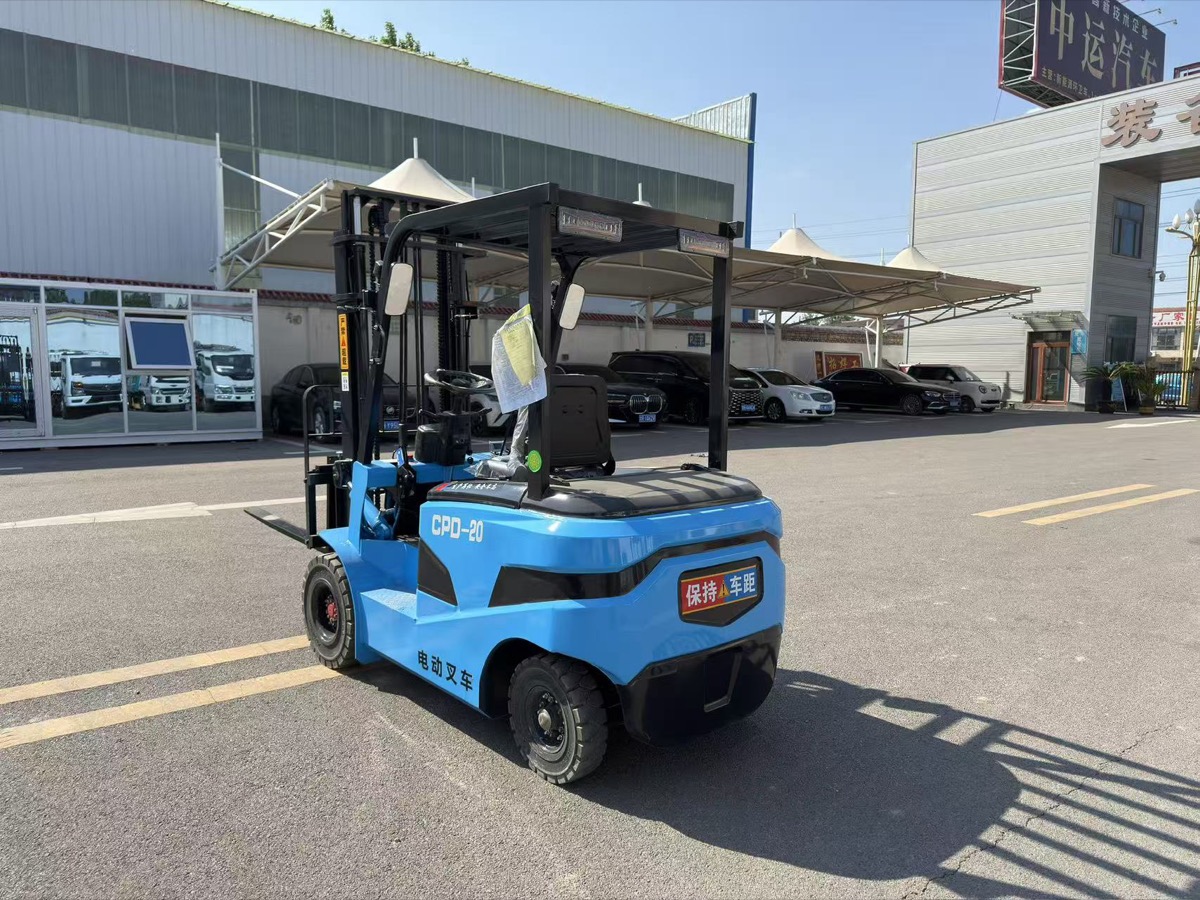
Here’s a practical breakdown based on what I’ve seen work (and fail) in real operations:
| Operating Environment | Recommendation | Why |
|---|---|---|
| Clean indoor warehouse | Electric | Zero emissions, quiet, lower operating cost per hour |
| Food / pharma / cold storage | Electric only | No exhaust contamination risk — compliance requirement in most jurisdictions. See our cold storage forklift guide |
| Mixed indoor / outdoor yard | Electric (3.5T-4T with pneumatic tires) | Modern IP54-rated electrics handle this reliably; cost savings still apply |
| 100% outdoor, rough terrain | LPG or Diesel | Electric still improving here; LPG currently more practical for remote sites without reliable charging |
| Multi-shift 24/7 operation | Electric (LiFePO4) | Opportunity charging during shift changes eliminates downtime. One truck covers two shifts |
The line has moved substantially. “Mixed indoor/outdoor” was firmly LPG territory five years ago. Today, a properly spec’d electric forklift with the right tires manages it without drama. If you’re buying new equipment for an operation that’s more than 80% indoor, going LPG is leaving money on the table.
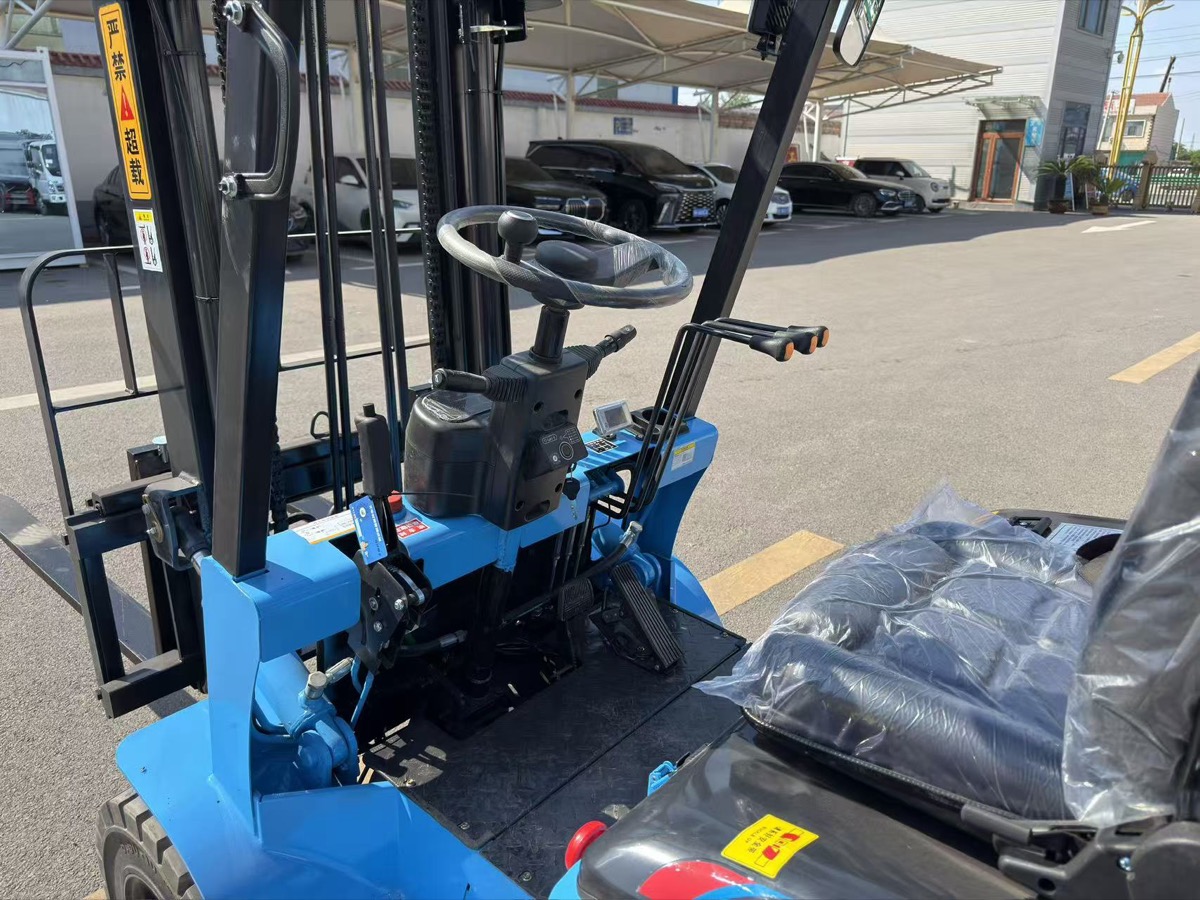
Safety: Electric Has a Clear Advantage
This one isn’t particularly close. Electric forklifts are safer across the board, and here’s why:
No carbon monoxide risk. LPG forklifts produce CO — odorless, colorless, and lethal at sufficient concentrations. Every year, there are warehouse incidents tied to inadequate ventilation with LPG equipment running indoors. Electric produces zero emissions at the point of use. That’s not an incremental improvement — it’s a categorical safety difference.
Lower fire risk. Propane is a flammable gas stored under pressure in steel cylinders. Battery fires make sensational headlines, but statistically, propane cylinder incidents are more frequent. LiFePO4 chemistry — the standard in modern electric forklifts — is inherently thermally stable, unlike the NMC batteries used in passenger EVs. Read our LiFePO4 deep dive for the chemistry details.
Noise: 65-70 dB vs 85-90 dB. That 20-decibel difference is the gap between normal conversation and hearing-damage territory. Electric forklift operators hear warnings better, communicate more easily, and stay more alert through their shift. We covered the impact of noise in our noise reduction guide — the productivity benefits go beyond the decibel meter.
Less vibration. Internal combustion engines vibrate through the chassis constantly. Over months and years, this contributes to operator fatigue, back issues, and musculoskeletal problems. Electric drive trains are smooth by comparison. For warehouses running the same operators on the same equipment for years, this matters. Follow our daily inspection checklist to keep both types in safe operating condition regardless.
The Hidden Cost: Operational Friction
Here’s something I’ve learned the hard way working with hundreds of warehouse customers: the real cost of LPG isn’t the fuel or the maintenance. It’s the operational friction.
LPG means you’re managing tank inventory. Scheduling propane deliveries. Storing flammable cylinders safely — which means dedicated outdoor cages, away from ignition sources, with proper signage and fire suppression. Training every new hire on safe tank-swapping procedures. Dealing with the forklift that dies at 3 PM on a Friday because someone grabbed a partially-empty tank from the wrong rack.
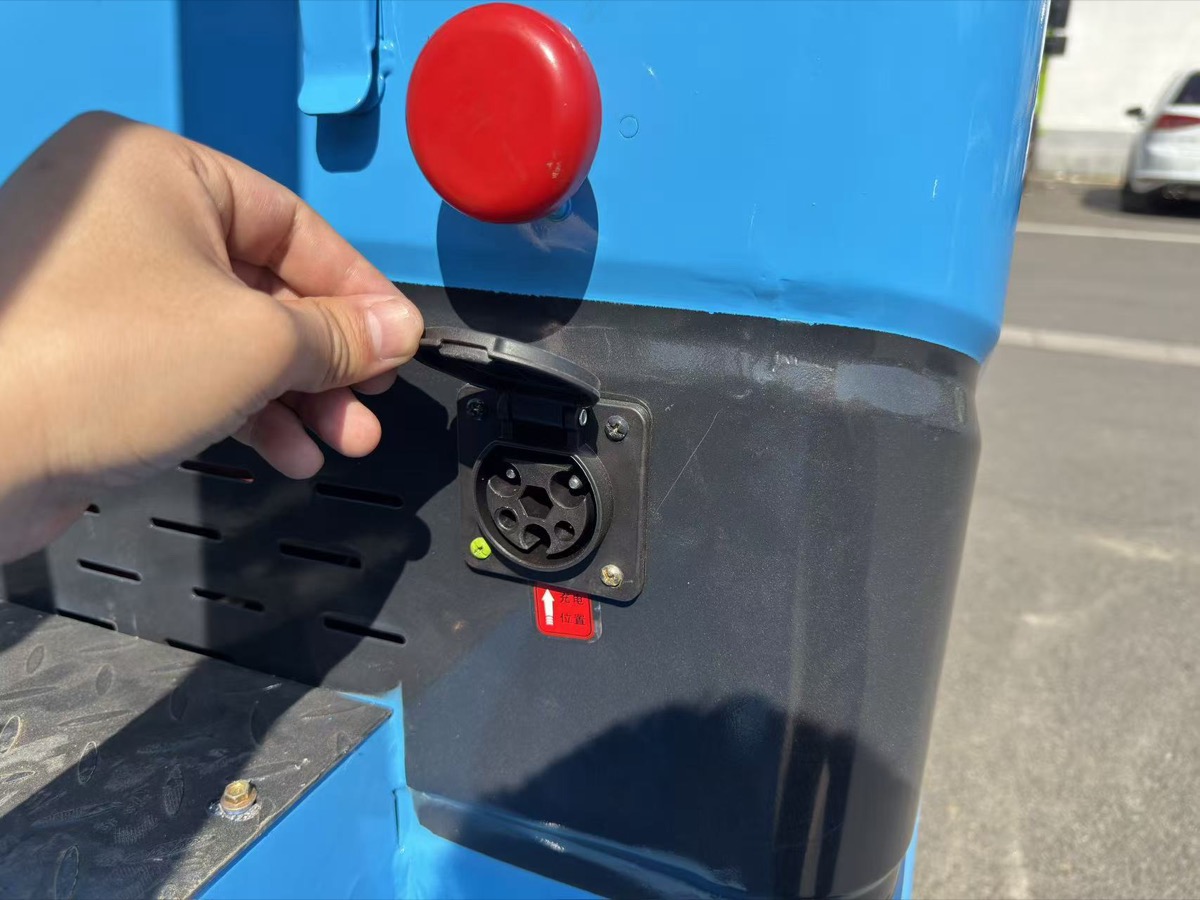
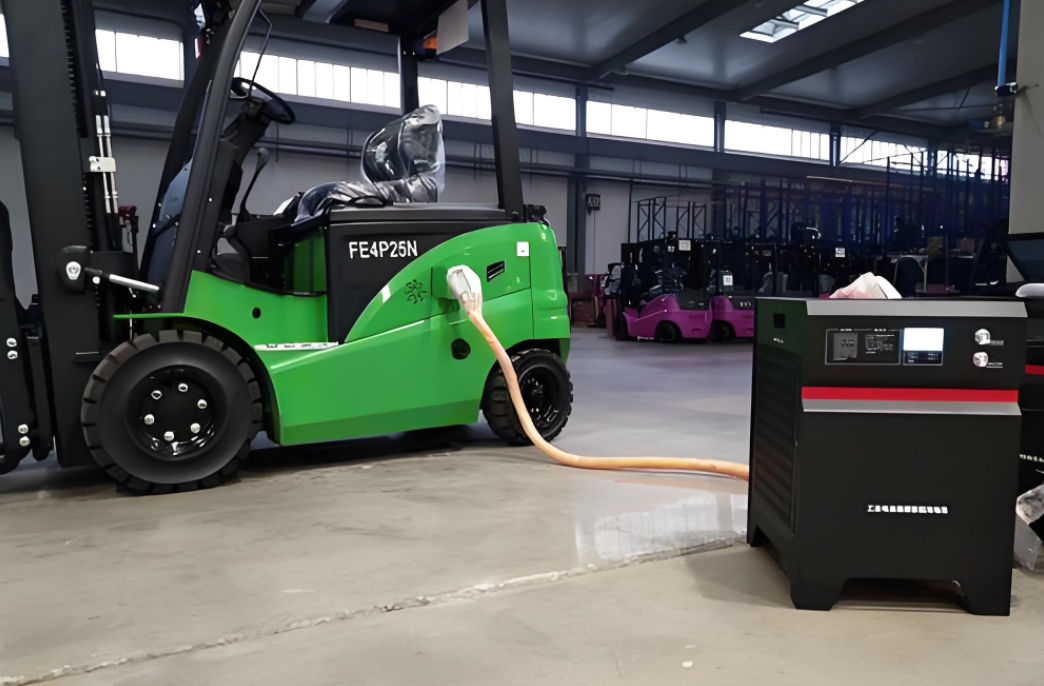
Electric means plugging it in. That’s literally it.
When you multiply these small frictions across a fleet of 5-10 forklifts over five years, the productivity drain is substantial. I’ve watched warehouses make the switch and discover they were losing 30-45 minutes per shift per LPG truck on refueling logistics, engine warm-up, and tank management. At a $25/hour fully-loaded operator cost, that’s $3,000-5,000 per truck per year in pure wasted time — before you account for the actual propane cost.
One warehouse manager put it best: “With electric, the only thing I think about is whether it’s plugged in at the end of the shift. With LPG, I was thinking about propane all day, every day.”
Decision Framework: Which One Should You Buy?
Here’s a practical five-question test. If you answer “yes” to questions 1-4, buy electric. If question 5 is your reality, LPG still makes sense:
- Is your operation more than 80% indoor? → Electric. No debate needed.
- Do you run one or two shifts per day? → Single shift: electric with any battery type. Double shift: electric with LiFePO4 and opportunity charging.
- Is your local industrial electricity rate below $0.15/kWh? → Electric’s cost advantage is massive. At $0.08/kWh (typical US industrial rate), you’re spending roughly $0.50/hour on “fuel” vs $2.50-3.50/hour on propane.
- Are you in a regulated emissions market? → If yes, LPG is a compliance headache. Go electric and sleep better.
- Do you operate 100% outdoors on rough terrain, in a location without reliable grid power? → OK, LPG still makes sense here. But this describes maybe 5% of forklift buyers globally.
For everyone else — which is most of you — electric is the answer. The economics, the regulations, the operator experience, and the sheer simplicity of “plug it in” have made LPG the niche option, not the default.
FAQ
Q: Can an electric forklift really run a full 8-hour shift?
Yes — with a LiFePO4 battery. A fully charged lithium pack delivers 8-10 hours of normal warehouse operation. For continuous heavy-duty work, a 1-hour opportunity charge during lunch extends it through a second shift. Lead-acid typically needs a swap or full recharge, which is why lithium has become the standard for new electric forklift purchases.
Q: Are LPG forklifts cheaper to buy upfront?
The sticker price is $500-1,500 lower on average. But no competent procurement manager buys equipment based on the purchase price alone. Total cost of ownership over 5-7 years consistently favors electric by 40-50%. We have the full numbers in our 5-year TCO breakdown.
Q: Do electric forklifts work in cold storage and freezers?
Yes, but you need cold-conditioned LiFePO4 batteries with built-in heating elements. Standard batteries lose 20-30% capacity below -10°C without thermal management. We covered cold storage requirements thoroughly in our cold storage forklift guide.
Q: How much does electricity actually cost vs propane per operating hour?
At average US industrial rates ($0.07-0.12/kWh), an electric forklift costs $0.40-0.80 per operating hour in energy. Propane at $2.50-3.50/gallon costs $2.00-3.50/hour. That’s 4-5x more expensive before you count maintenance differences, which widen the gap further.
Q: Can I use one forklift for both indoor warehouse work and loading trucks outdoors?
Absolutely. Our 3.5-ton and 4-ton electric models with solid pneumatic tires handle this daily. The key is speccing the right tire type — not all electric forklifts come with outdoor-ready tires out of the box. Check our tire comparison guide to understand your options.
Ready to Go Electric?
If you’re weighing electric vs LPG, you’re probably ready to buy. BaGong Machinery offers a full range of new energy electric forklifts — 2-ton through 4-ton — all equipped with LiFePO4 batteries, AC drive motors, and IP54-rated components for reliable mixed indoor/outdoor use.
Here’s our current lineup with FOB Shanghai pricing:
- 2-Ton CPD-2.0 — FOB $4,400 (lead-acid) / $6,200 (LiFePO4) — ideal for standard warehouse pallet handling
- 2.5-Ton CPD-2.5 — FOB $5,250 / $7,200 — our most popular model, balancing capacity and maneuverability
- 3-Ton CPD-3.0 — FOB $6,050 / $8,050 — workhorse for heavier industrial loads
- 3.5-Ton CPD-3.5 — FOB $7,150 / $9,150 — handles mixed indoor/outdoor operations with ease
Every unit ships with full customs documentation support. We work with freight forwarders worldwide to get your equipment from Shanghai to your warehouse door.
📧 bagongmachinery@gmail.com | 🌐 www.forklifte.com

wish you all the best
Buenas! I translated your article for my boss at our Mexico City warehouse and now hes pushing to go all-electric by Q3. The 50% drop in lithium battery prices since 2022 is the real game changer we hadnt seen it laid out that clearly. One thing I would add: the noise difference matters way more than youd think when operators work 8-hour shifts. Our guys went from headaches daily to actually being able to hear the radio. That alone is worth something.