
Blog
Electric Forklift Charging Station Setup: Safety Requirements & Best Practices

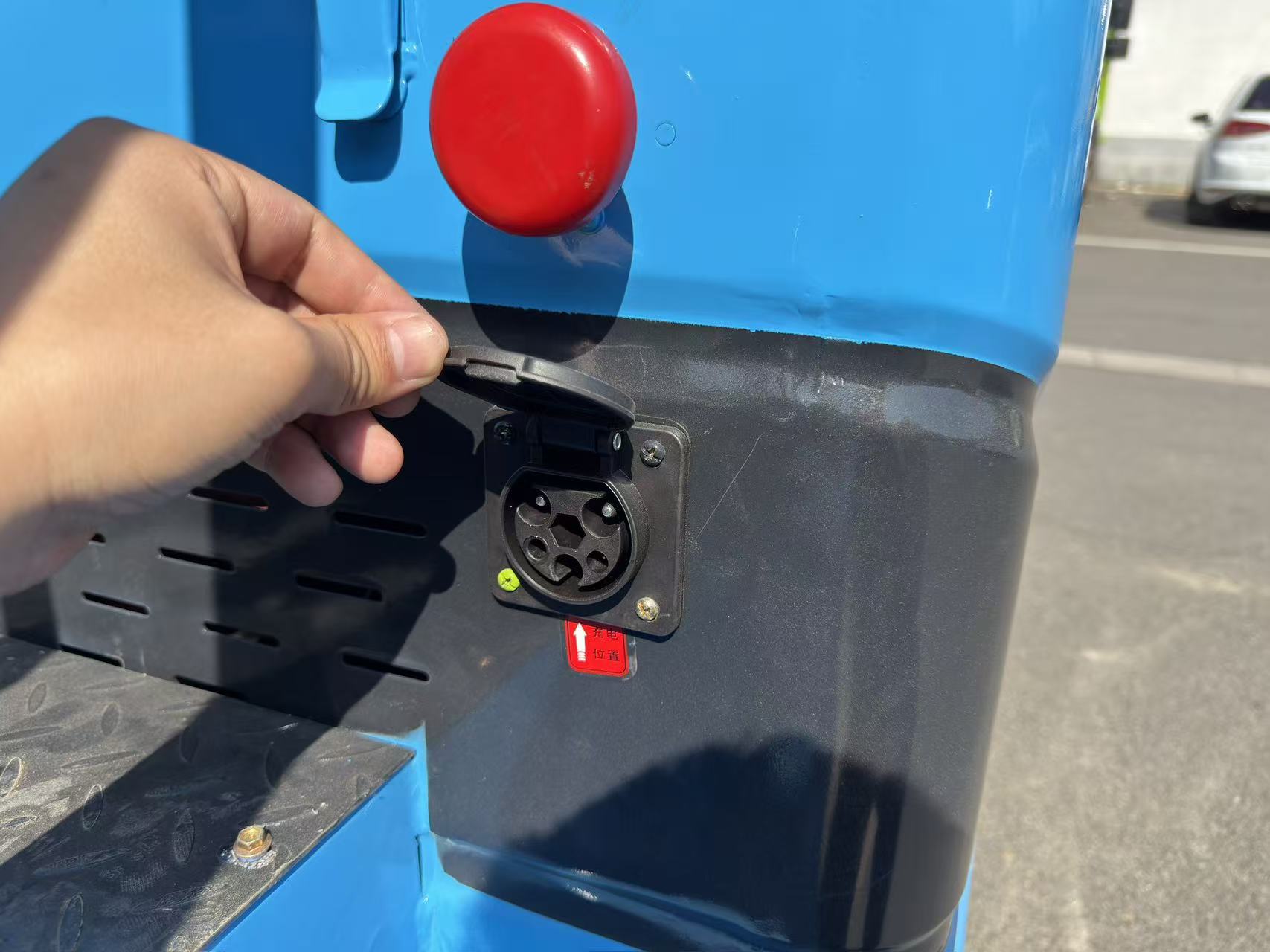
A forklift battery charging area is one of the most dangerous zones in any warehouse — hydrogen gas, high-voltage equipment, and heavy batteries combine to create serious risks. Getting the setup right from day one prevents fires, injuries, and OSHA citations.
OSHA Requirements for Forklift Charging Stations
Per OSHA 1910.178(g), battery charging installations must be in designated areas with:
- Continuous ventilation to disperse hydrogen (minimum 6 air changes per hour)
- No smoking or open flames within 15 feet (4.5 meters)
- Emergency eyewash station within 25 feet (7.6 meters)
- Spill containment and neutralization materials (baking soda for acid)
- Class B fire extinguisher readily accessible
Charger Type Comparison
| Charger Type | Charge Time | Best For | Heat |
|---|---|---|---|
| Standard (50Hz) | 8-10 hrs | Single shift | High |
| Fast (50-100A) | 3-5 hrs | 2-shift ops | Medium |
| Opportunity (LiFePO4) | 1-2 hrs | 24/7 ops | Low |
LiFePO4 Advantage: A Safer Charging Environment
Lead-acid batteries generate hydrogen during charging — a highly flammable gas. LiFePO4 (lithium iron phosphate) batteries produce zero hydrogen, eliminating the explosion risk entirely. They also charge faster (1-2 hours for opportunity charging) and don’t require a dedicated ventilated room. All BaGong lithium models use Chaowei LiFePO4 cells with built-in BMS protection against overcharge, over-discharge, and thermal runaway. Read our LiFePO4 guide for detailed comparisons.
Physical Layout Checklist
- Floor: Acid-resistant concrete with epoxy coating
- Charger mounting: Wall-mounted or on elevated stands (minimum 12″ from floor)
- Cable management: Overhead retractable cable reels, never floor-routed
- Clearance: Minimum 3 feet (1m) around each charging position
- Signage: “Battery Charging Area — No Smoking” in English + local language
FAQ
Q: Can I charge forklifts outdoors?
Yes, if the charger has IP54+ rating and batteries are protected from direct rain and extreme temperatures (0°C to 45°C range for LiFePO4).
Q: Do LiFePO4 forklifts need a dedicated charging room?
No — that’s a major advantage. Since there’s no hydrogen emission, LiFePO4 batteries can be opportunity-charged at any convenient location near a power outlet.
Upgrade to Safe, Emission-Free Charging
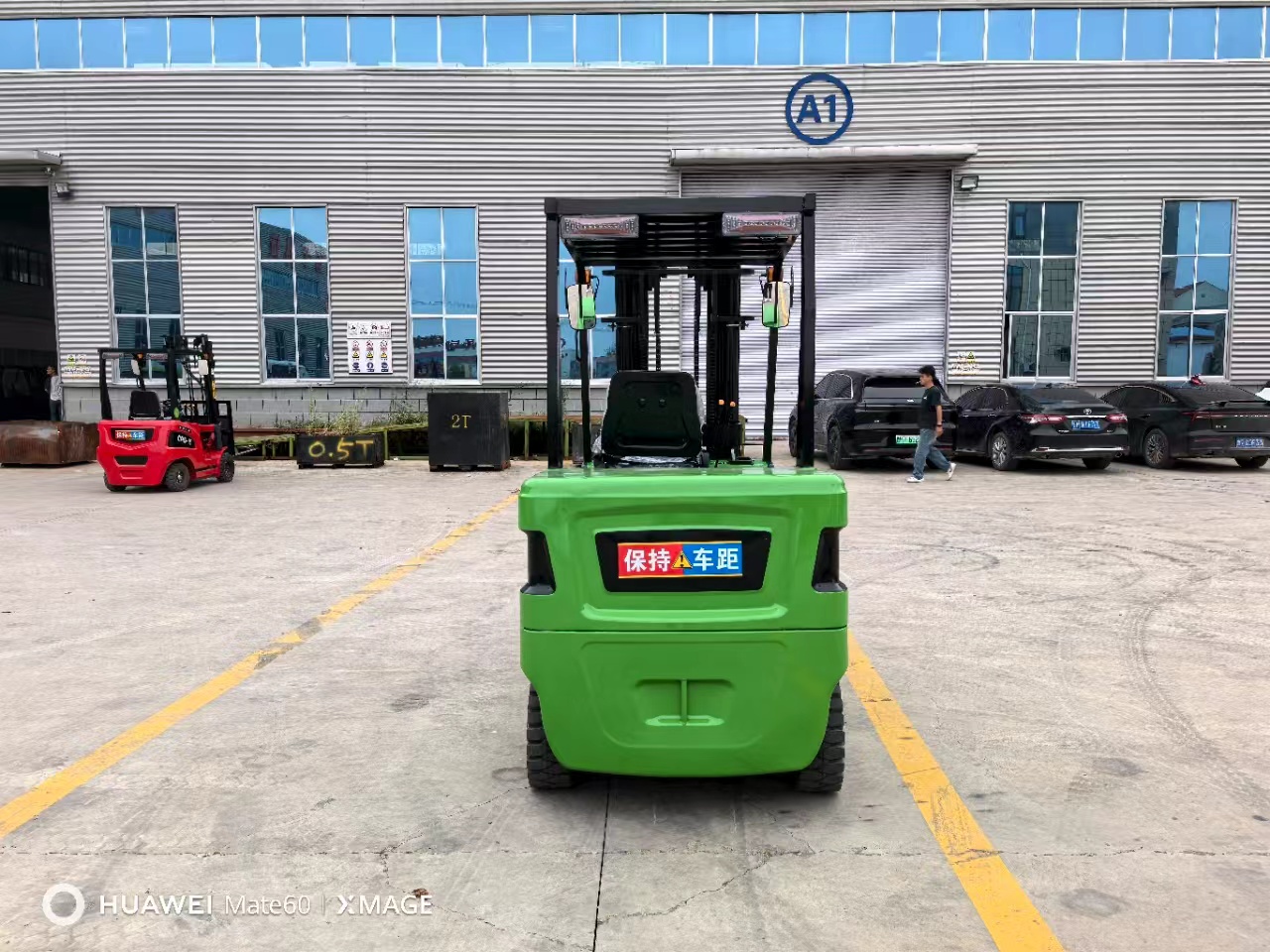
The BaGong 3.5-ton CPD-3.5 with LiFePO4 battery charges in under 2 hours and requires zero ventilation infrastructure. Pair it with the 2-ton CPD-2.0 for a complete mixed fleet. Contact us for FOB Shanghai pricing.
📧 bagongmachinery@gmail.com | 🌐 www.forklifte.com