

Blog
Multi-Shift Electric Forklift Charging: The No-Nonsense Guide for 24/7 Warehouse Operations

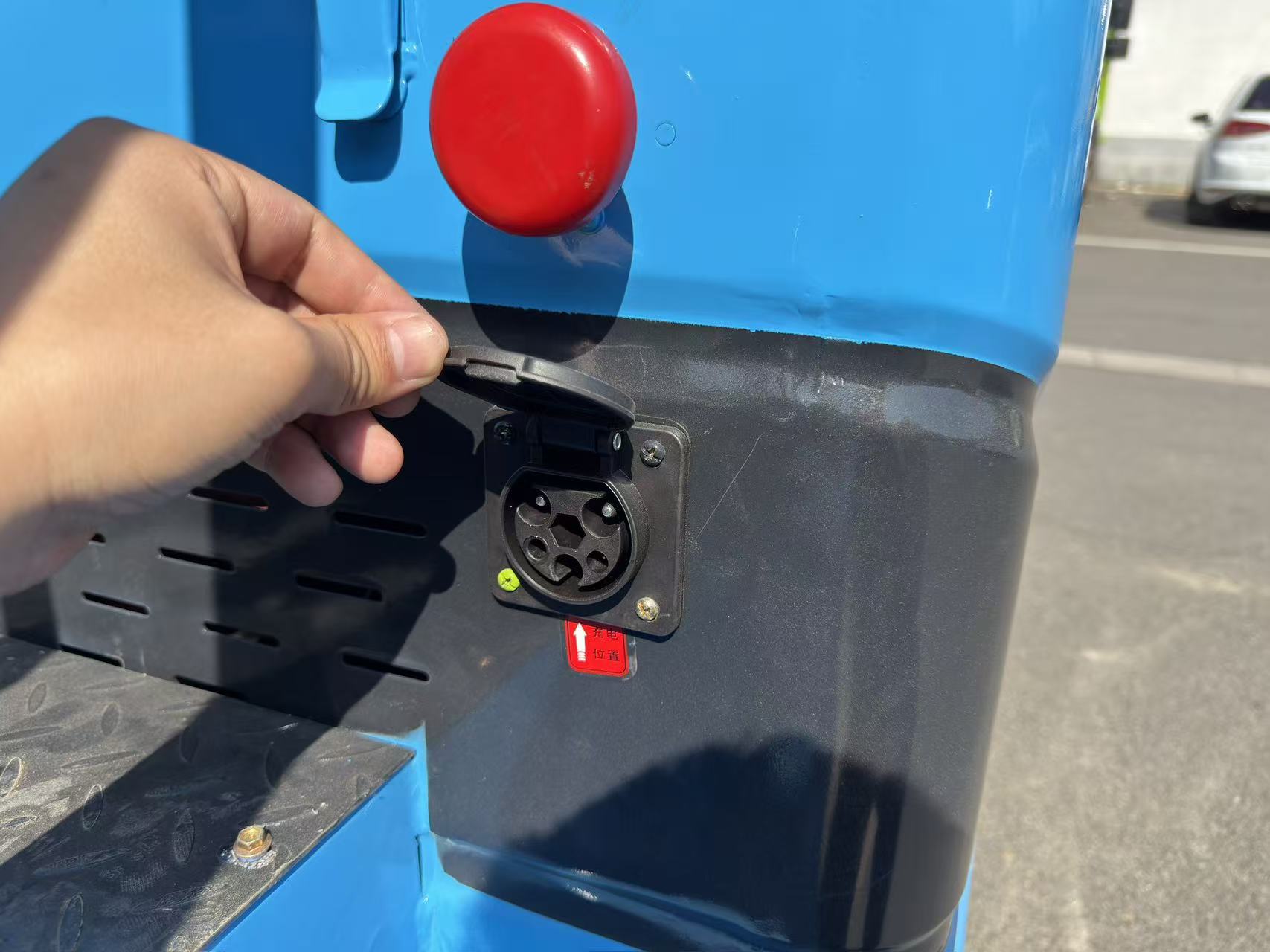
Tom runs a distribution center outside Chicago. Three shifts, five days a week, sometimes six. His fleet of 12 electric forklifts barely stops. And for the first six months after switching from diesel, charging those things was his biggest headache. Batteries dying mid-shift. Chargers tripping breakers. Drivers fighting over which forklift still had juice. Sound familiar?
If you’re running an electric forklift fleet around the clock — or planning to — charging strategy isn’t an afterthought. It’s the difference between smooth operations and a constant firefight. This guide walks through what actually works for multi-shift operations, from battery tech choices to charging room layout, based on what we’ve seen work (and fail) at warehouses across different industries.
The Core Problem: Why Single-Shift Charging Falls Apart at 24/7
Here’s the thing most people don’t realize until they’re in it: a standard lead-acid battery takes 8 hours to fully charge, plus another 8 hours to cool down. That’s 16 hours minimum before it’s ready to go again. In a single-shift operation, that’s fine — charge overnight, use during the day. But throw a second or third shift into the mix, and suddenly your batteries never catch up.
This is where I see a lot of warehouses make their first mistake. They buy more batteries thinking that’s the solution. More batteries = more upfront cost, more floor space, more maintenance, more headaches. What you actually need is a proper charging system, not just more batteries stacked in a corner.
Option 1: Traditional Lead-Acid with Battery Swapping
This is the old-school approach and it still works — if you set it up right. The idea is simple: each forklift gets two or three batteries. One in use, one charging, one cooling off. When a battery runs low, the operator swaps it out and grabs a fresh one.
What you need for this to work:
- A dedicated battery changing area with an overhead hoist or a powered battery roller system. Manual swaps with a pallet jack? Doable but brutal on the crew, especially with 60V batteries weighing 800-1000 kg.
- Battery rollers or transfer carts — makes swapping a 5-minute task instead of a 20-minute wrestling match.
- A charging schedule. Don’t just plug everything in whenever. Stagger your charges so the electrical panel doesn’t get hammered all at once.
- Proper cooling racks. Lead-acid batteries get hot during charging. If you stack them too close together, heat builds up and kills your battery life fast. We’ve seen batteries lose 30% of their lifespan just from poor ventilation in the charging room.
- Distilled water top-ups every 5-10 charges. Skip this and you’re looking at premature plate damage.
The hidden cost people overlook: floor space. A battery swap station for 10 forklifts can eat up 50-80 square meters of warehouse space. That’s real estate that could be racking or shipping docks. If your facility is tight on space, this matters.
Option 2: Lithium-Ion with Opportunity Charging
This is where the industry is heading, and for good reason. Lithium forklift batteries — specifically LiFePO4 (lithium iron phosphate) — charge way faster than lead-acid. We’re talking 1-2 hours for a full charge instead of 8-10. And here’s the key difference: you don’t need to let them cool down. You can plug them in during lunch breaks, shift changes, or any 15-minute downtime and put meaningful charge back in.
This is called opportunity charging, and it’s a game-changer for multi-shift ops. Instead of buying 2-3 batteries per forklift and a whole battery room setup, you buy one lithium battery per truck and charge it whenever there’s a gap. The battery management system (BMS) handles the rest — no overcharging risk, no water topping, no cooling-down waiting period.
What we’ve seen in practice:
- Warehouses that switched from lead-acid swap to lithium opportunity charging freed up 40-60% of their battery room space.
- Maintenance costs dropped — no water, no acid spills, no equalizing charges.
- Operator satisfaction went up. Nobody likes wrestling a 900kg battery at 2 AM.
But — and this is a real “but” — the upfront cost is higher. A LiFePO4 battery for a 3-ton forklift runs roughly $2,000-3,000 more than a comparable lead-acid unit. You make it back in 2-3 years through lower operating costs and longer battery life, but the sticker shock is real if you’re buying a whole fleet at once.
For a deeper breakdown of how these two battery types compare over the long haul, check out our lithium-ion vs lead-acid comparison and our 5-year TCO analysis.
Option 3: The Hybrid Approach (What a Lot of Smart Operators Actually Do)
Here’s a pattern I’ve seen work really well in practice: start with lead-acid for the bulk of your fleet, but use lithium for the high-utilization trucks — the ones that never seem to stop during the day. That way, you get the lower upfront cost for most of your fleet, while the lithium trucks handle the peak demand without needing backup batteries.
Another hybrid tactic that works: opportunity charge the lead-acid batteries during lunch breaks. Now, I know a lot of battery guys will tell you this kills lead-acid batteries. And they’re half right — if you do it wrong. But with modern smart chargers that have multi-stage charging profiles (bulk, absorption, float), you can safely top up lead-acid during short breaks without causing long-term damage. The key is to use a charger designed for it, not just any old unit you found on Alibaba.
Setting Up Your Charging Station: What Actually Matters
Whether you go lead-acid, lithium, or hybrid, the charging station layout makes or breaks your operation. Here’s what we’ve found matters most, in order of priority:
1. Electrical Capacity (Get This Wrong and Nothing Else Matters)
Do the math before you buy anything. A typical 60V lead-acid battery charger draws around 30-40 amps. If you’re charging 15 batteries simultaneously, that’s 450-600 amps. Your facility’s electrical panel might not have that kind of headroom. We’ve seen warehouses blow their budget on charger installation because they didn’t realize they needed a panel upgrade. Talk to an electrician before you start buying equipment.
2. Ventilation
Lead-acid batteries release hydrogen gas during charging. Enough of it in an enclosed space and you’ve got a bomb. OSHA requires mechanical ventilation or a dedicated battery charging room with proper airflow. Lithium batteries don’t off-gas during normal charging, but if a cell goes into thermal runaway (rare, but possible with poor-quality BMS), it can release toxic fumes. Either way, ventilation isn’t optional.
Also worth knowing about LiFePO4 battery safety standards if you’re considering the lithium route.
3. Fire Safety Equipment
CO2 extinguishers for lithium fires (water makes it worse). Class ABC for lead-acid. And for the love of safety, don’t store flammable materials anywhere near the charging station. We’ve seen cardboard pallets stacked two feet from a charging rack more times than I’d like to admit.
4. Personal Protective Equipment
Acid-proof gloves, face shields, rubber aprons for anyone handling lead-acid batteries. It’s not just OSHA compliance — battery acid burns are nasty and completely preventable. For lithium swaps, rubber gloves and safety glasses are enough since there’s no acid exposure.
5. Signage and Organization
Mark charging areas clearly. Use floor tape to define zones. Post charging procedures — in multiple languages if your crew is diverse. Label every battery and charger with an ID number and track usage. A whiteboard with a simple grid (battery ID / forklift # / charge start time / charge end time) costs nothing and saves constant confusion.
Real Talk: The Cost Comparison (Because Everyone Wants Numbers)
| Cost Factor | Lead-Acid (Swap System) | Lithium (Opportunity Charge) |
|---|---|---|
| Batteries per forklift | 2-3 (for multi-shift) | 1 |
| Battery lifespan | 1,500 cycles (~3-4 years) | 3,000-5,000 cycles (~8-10 years) |
| Charging time (full) | 8-10 hours + 8h cool-down | 1-2 hours |
| Opportunity charging | Limited (damages battery without smart charger) | Yes — any downtime |
| Maintenance | Weekly water, cleaning, equalizing | None (sealed BMS) |
| Battery room space (10 trucks) | ~60-80 sq meters | ~15-25 sq meters |
| 5-year TCO (per truck) | $12,000-16,000 | $9,000-12,000 |
| Upfront cost (per battery) | Lower ($2,800-4,500) | Higher ($4,500-7,000) |
The numbers change based on your local electricity rates and labor costs, but the pattern is consistent: lithium costs less over time if you’re running multi-shift. The breakeven point is usually around the 18-24 month mark.
Common Multi-Shift Charging Mistakes (And How to Avoid Them)
After talking to dozens of warehouse operators and seeing what works and what doesn’t, here are the mistakes I see most often:
- Not staggering charges. Everyone plugs in at shift end. The panel trips. Then nothing charges. Simple fix: assign charging slots. Half the fleet charges at shift end, the other half an hour later.
- Over-discharging batteries. Running a battery below 20% regularly cuts its life in half. Train operators to swap or plug in when the indicator hits 20-30%, not when the truck stops moving.
- Buying cheap chargers. A $300 charger will cost you $3,000 in dead batteries over two years. Spend on quality. HF (high-frequency) chargers are worth the premium — they’re more efficient and gentler on the battery.
- Ignoring temperature. Lead-acid batteries lose about 1% capacity for every 1 degree C below 25 degrees C. In cold storage or unheated warehouses, that’s a massive hit. Lithium performs better in cold but still struggles below -10 degrees C. Plan your charging location accordingly.
- No backup plan. What happens when your main charger dies? Or the power goes out for 4 hours? Have a plan — even if it’s “call the rental company and get 4 trucks delivered.” Don’t figure it out when it happens.
Final Thoughts
Multi-shift electric forklift charging isn’t complicated, but it does require thinking ahead. The warehouses that nail it are the ones that match their charging strategy to their actual operation — not what a sales brochure says.
If you’re starting from scratch, here’s my advice: go lithium if you can swing the upfront cost, especially for your high-utilization trucks. The space savings alone often justify it. If budget is tight, a well-organized lead-acid swap system with smart chargers still works — just don’t cut corners on the charging room layout.
And if you’re looking at electric forklifts that can handle multi-shift work without complaining, our 3-ton electric model with LiFePO4 option is designed exactly for this kind of operation. Reach out anytime if you want to talk specifics — happy to share what we’ve seen work.
FAQ
Can I use opportunity charging with lead-acid batteries?
Yes, but only with a smart charger that has multi-stage profiles. Standard ferroresonant chargers will damage the battery if you interrupt the charge cycle repeatedly.
How many batteries do I need per forklift for a 3-shift operation?
With lead-acid: 3 batteries per truck minimum (one in use, one charging, one cooling). With lithium: 1 per truck if you opportunity charge between shifts.
Do lithium forklift batteries need a special charger?
Yes. You need a charger designed for the specific lithium chemistry (LiFePO4 in most cases). A lead-acid charger won’t work — it can’t communicate with the BMS and may overcharge the cells.
How long does a forklift battery last before needing replacement?
Lead-acid: 3-5 years with proper maintenance. Lithium (LiFePO4): 8-10 years, often outlasting the forklift itself.
Is it safe to charge forklift batteries indoors?
Yes, with proper ventilation. Lead-acid requires mechanical ventilation for hydrogen gas. Lithium is safer for indoor charging since it doesn’t off-gas during normal operation, but still needs ventilation and a fire safety plan.
What size charging room do I need for 20 forklifts?
Lead-acid swap system: roughly 100-150 sq meters including battery racks and cooling space. Lithium opportunity charging: 30-50 sq meters for charging stations and parking spots.

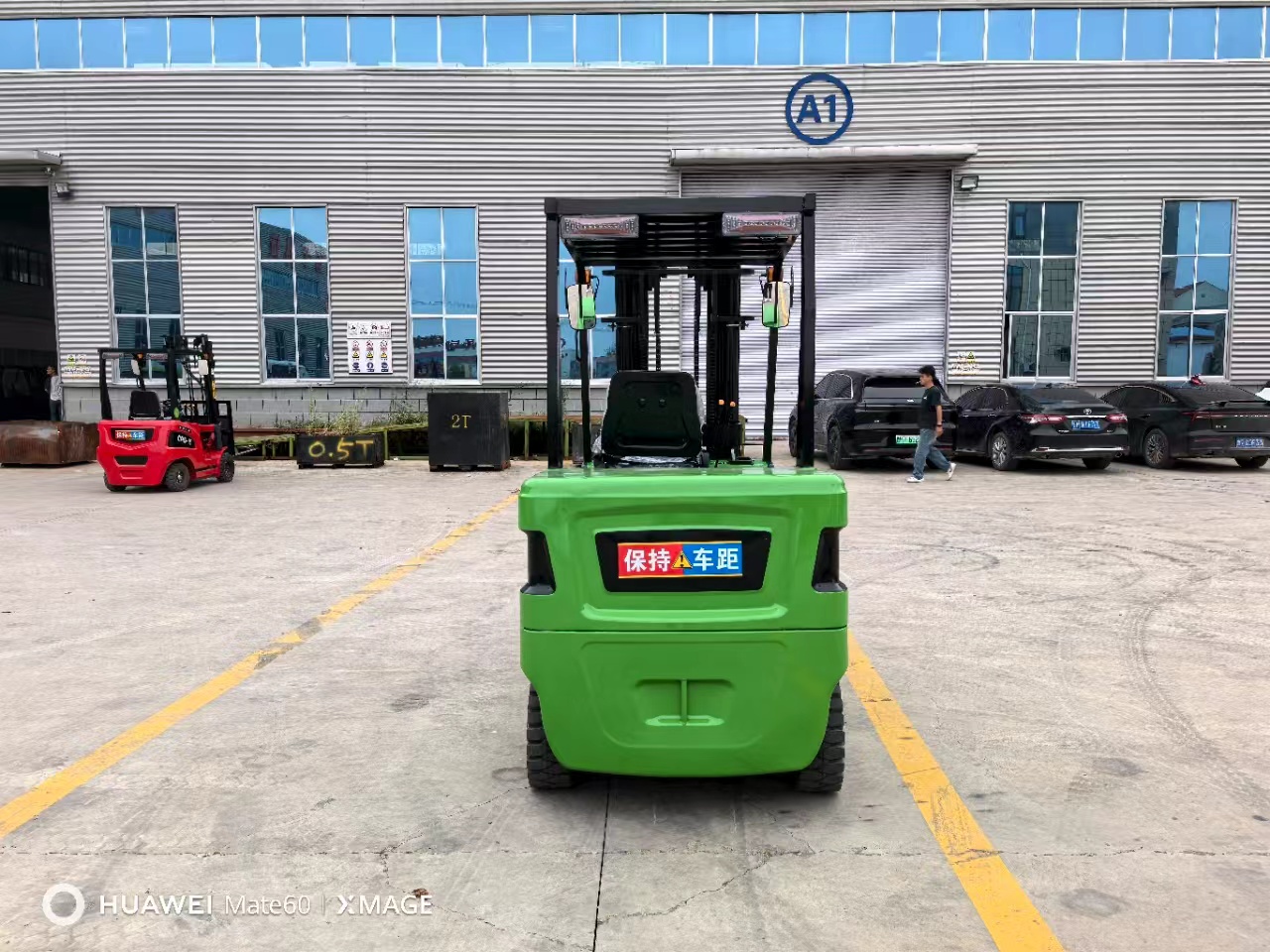

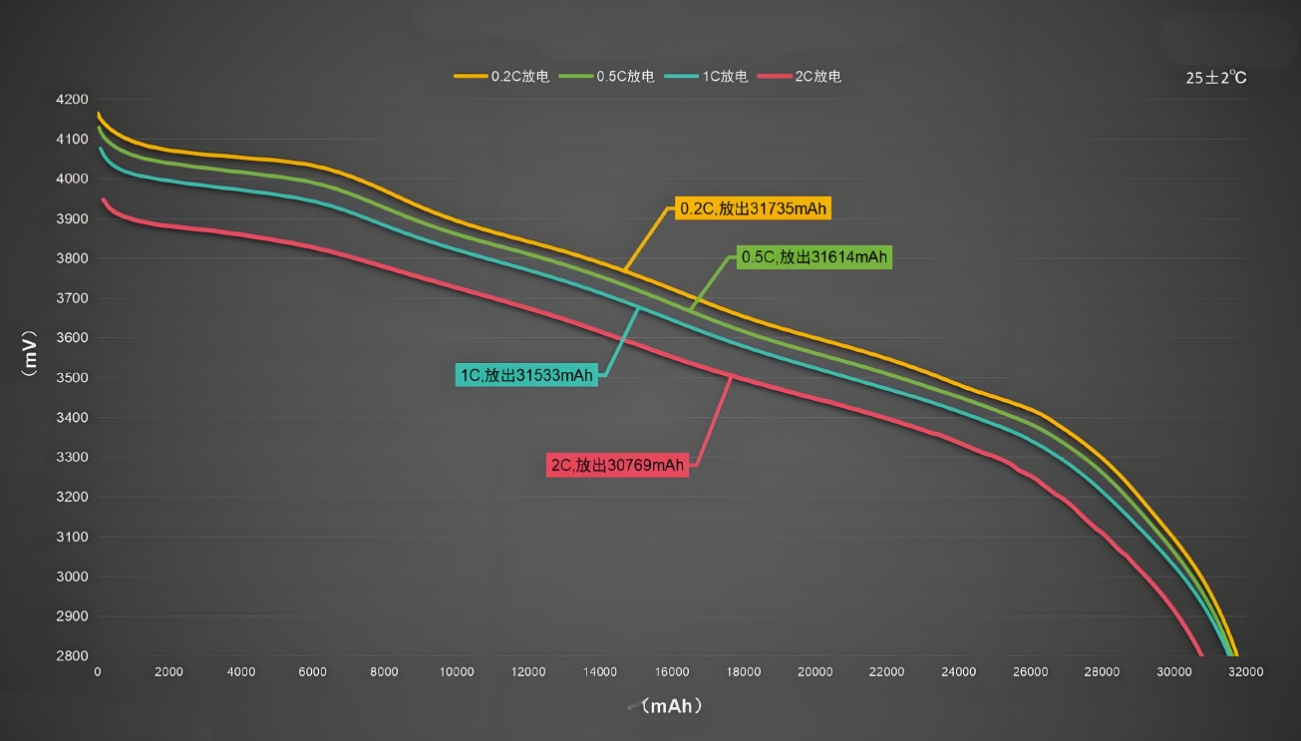
Great article! We run three shifts in our warehouse and the staggered charging approach has been a game changer. One thing I would add — make sure your facility has enough amp capacity before adding more chargers. We learned that the hard way when we tripped the main breaker twice in one week. Ended up needing an electrical upgrade before we could fully implement shift charging. Definitely worth planning that upfront.