

Blog
Regenerative Braking in Electric Forklifts: How It Works, Energy Savings, and What Buyers Should Know

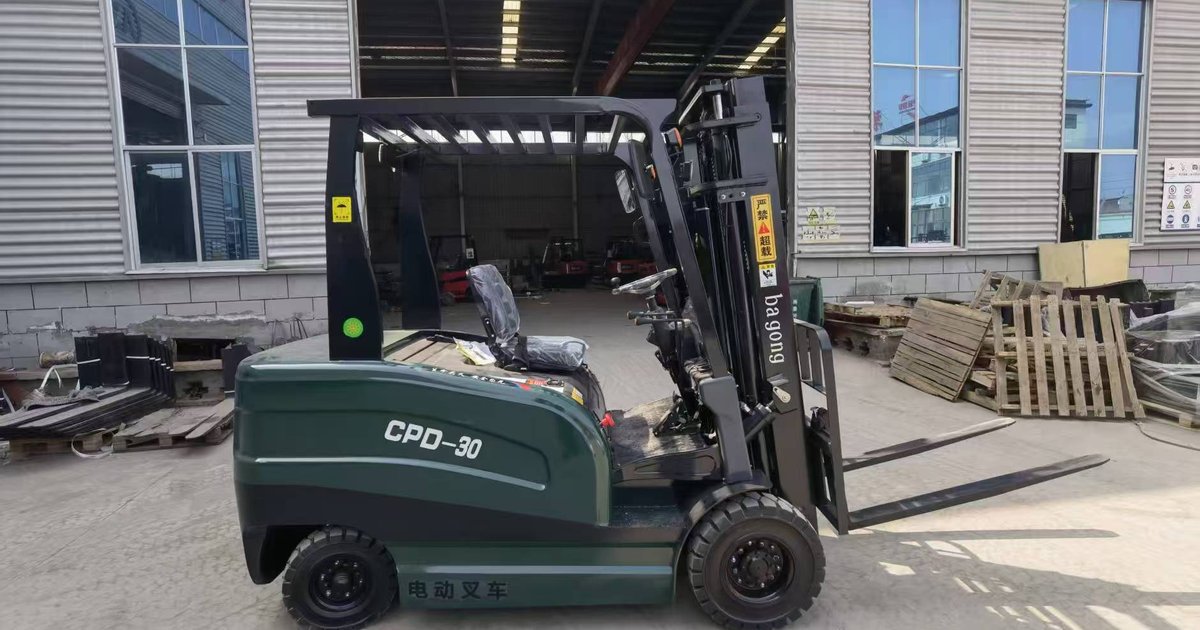
If you’ve spent any time around electric forklifts, you’ve probably heard the term “regenerative braking” tossed around in spec sheets and sales pitches. Most people nod along. Few actually understand what’s happening under the hood. And even fewer know how much money it’s saving them — or costing them when it’s not working right.
Here’s the thing: regenerative braking isn’t some marketing gimmick. It’s a real engineering feature that can extend your battery runtime by 15-25% in stop-start operations, slash your brake maintenance costs by more than half, and make your operators smoother on the controls. But only if you understand how it works and what to look for when you’re buying.
I’ve spent years working with electric forklifts across dozens of warehouses — from cold storage facilities running 24/7 to small distribution centers with two machines. And I can tell you: the difference between a forklift with well-implemented regenerative braking and one with a half-baked system is night and day.
Let me walk you through everything you actually need to know about regenerative braking in electric forklifts. No fluff. Just the real technical breakdown, the numbers that matter, and what to look for when you’re writing that purchase order.
How Regenerative Braking Actually Works — The Physics Behind It
Let’s start with the core concept, because once you get this, everything else clicks into place.
Every electric forklift has an AC (or in older models, DC) traction motor that spins the drive wheels. In normal driving mode, the motor controller takes DC power from the battery, inverts it into three-phase AC, and feeds it to the motor. The motor’s rotor spins, the forklift moves. Simple enough.
Regenerative braking flips this entire equation on its head.
When the operator releases the accelerator or engages the brake pedal, the controller doesn’t just cut power to the motor. Instead, it reconfigures the circuit so the motor becomes a generator. The forklift’s momentum — its kinetic energy — keeps the wheels turning, which now back-drives the motor. The motor, acting as a generator, produces three-phase AC electricity flowing in the opposite direction. The controller’s inverter section rectifies this back to DC and feeds it into the battery.
The Three-Phase Process
Here’s exactly what happens in sequence:
- Deceleration command: The operator lifts off the accelerator. The controller’s microprocessor detects this in microseconds and initiates regenerative braking mode.
- Motor-to-generator transition: The controller adjusts the IGBT (Insulated Gate Bipolar Transistor) switching pattern in the inverter bridge. Instead of driving current into the motor windings, it now extracts current from them. The motor’s rotating magnetic field induces voltage in the stator windings — this is the same principle as any alternator or generator.
- Energy rectification: The generated AC power (at whatever frequency the motor is now spinning at) gets rectified through the inverter’s freewheeling diodes back into DC. The voltage is boosted if necessary to match the battery’s charging voltage.
- Battery charging: The recovered DC power flows into the lithium battery pack. The BMS (Battery Management System) monitors this incoming regen current and ensures it doesn’t exceed the battery’s maximum charge rate.
All of this happens in milliseconds, and it’s completely seamless to the operator. They just feel a smooth, controlled deceleration — no mechanical brake engagement unless they press harder.
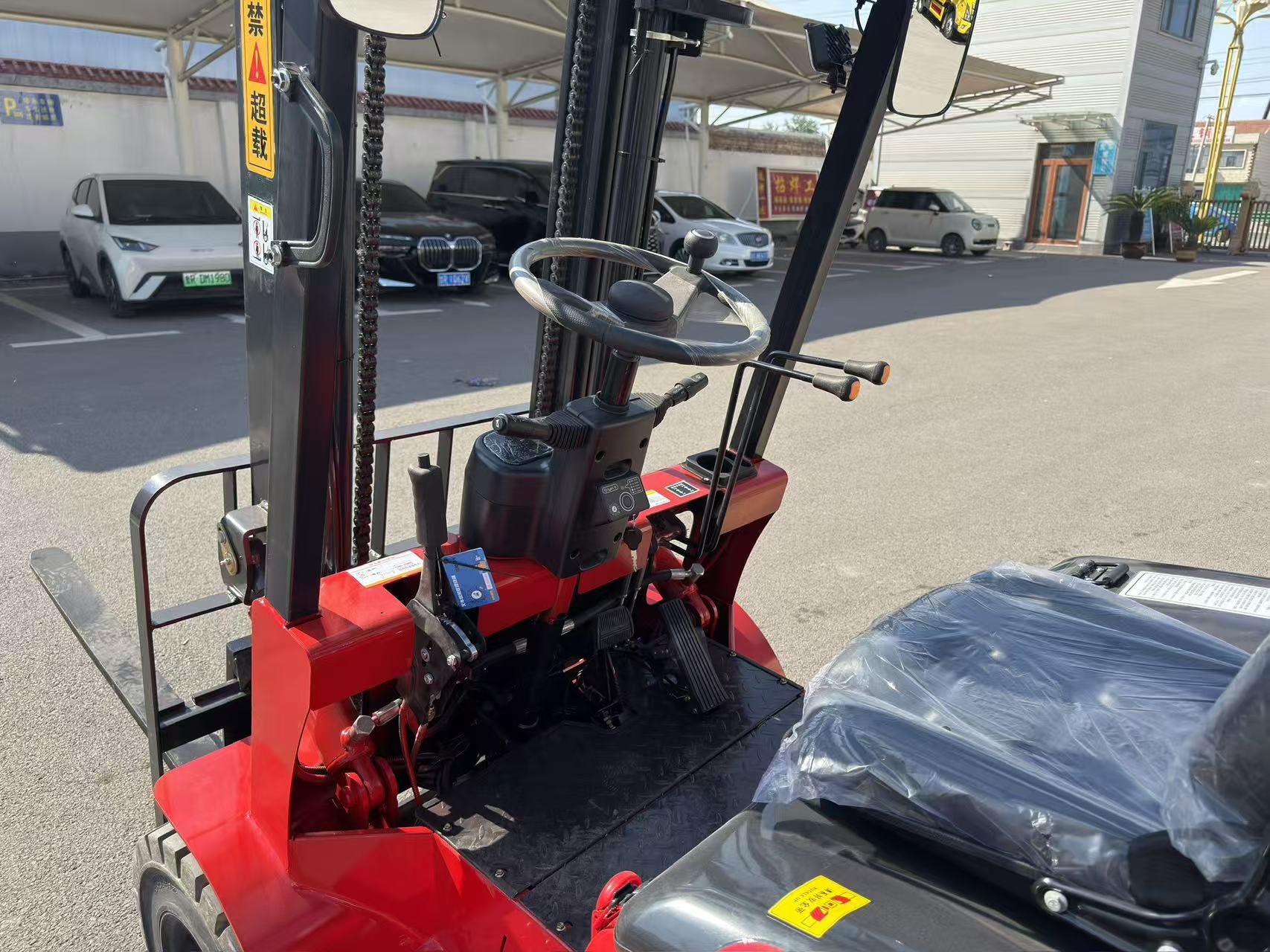
How Much Energy Do You Actually Recover? The Numbers
This is the question everyone asks, and the answer depends heavily on how the forklift is being used. But let’s look at real-world numbers.
Energy Recovery by Application Type
| Application | Stop-Start Frequency | Typical Energy Recovery | Battery Runtime Extension |
|---|---|---|---|
| Warehouse picking (narrow aisle) | Very high (every 15-30 sec) | 25-35% | 20-30% longer per charge |
| Loading/unloading trucks | High (every 1-2 min) | 20-25% | 15-20% longer per charge |
| Long-distance material transport | Low (every 5-10 min) | 8-12% | 5-10% longer per charge |
| Cold storage operations | High (frequent door entries) | 18-22% | 10-15% longer per charge |
| Racking and stacking | Moderate (every 2-3 min) | 15-20% | 12-18% longer per charge |
Here’s a concrete example. Take a 3-ton electric forklift working an 8-hour shift in a typical distribution center. Without regenerative braking, it might consume 80% of its 80V/300Ah lithium battery’s capacity by end of shift. With properly calibrated regenerative braking, consumption drops to roughly 60-65%. That’s the difference between making it through a full shift comfortably versus needing a mid-shift battery swap or opportunity charge.
To put real numbers on it: if your LiFePO₄ battery costs roughly $0.08-0.12 per kWh to charge (including charger efficiency losses), and regen saves you 15-20% on daily energy consumption, you’re looking at somewhere between $300 and $600 in electricity savings per forklift per year. That’s not earth-shattering by itself — but it adds up across a fleet of 10-20 machines.
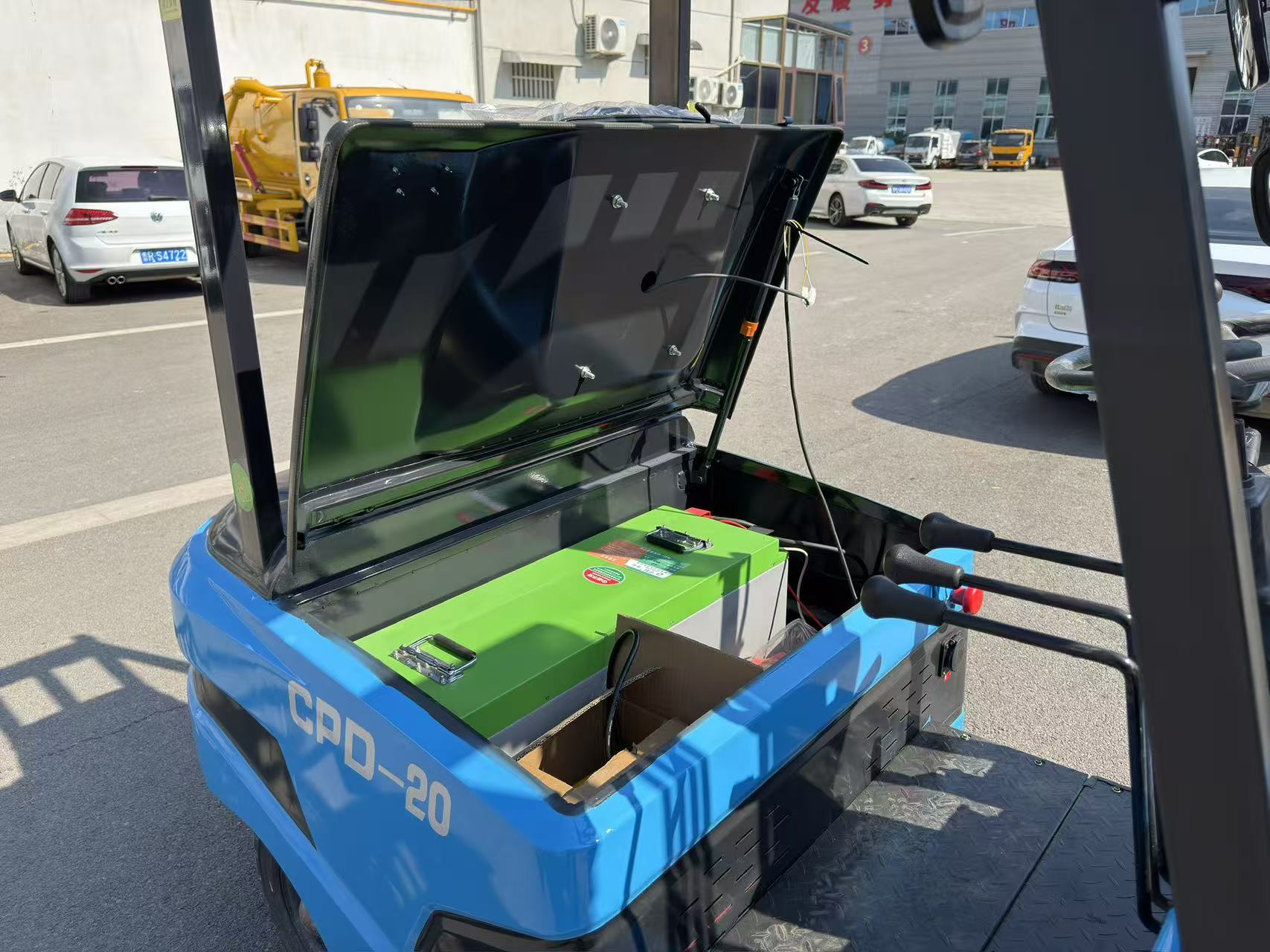
Why Regenerative Braking Extends Brake Life — And Saves Real Money
Here’s something most buyers don’t think about: the biggest financial benefit of regenerative braking isn’t the energy recovery. It’s the brake maintenance savings.
In a traditional forklift — whether ICE or electric without regen — every deceleration involves the mechanical brake pads clamping onto the brake disc or drum. Friction slows the machine. Friction generates heat. Friction wears down pads.
With regenerative braking, the motor handles 60-80% of the deceleration force before the mechanical brakes even engage. The mechanical brakes only activate during hard/emergency stops, the final few km/h before coming to a complete stop, or holding the forklift stationary on an incline.
The result? Brake pads that last 3-5x longer.
Brake Maintenance Cost Comparison (Per Forklift, Per Year)
| Braking System | Pad Replacement Interval | Annual Brake Service Cost | Labor Hours |
|---|---|---|---|
| Electric forklift WITH regen braking | 18-24 months | $80-150 | 1-2 hours |
| Electric forklift WITHOUT regen braking | 6-9 months | $250-400 | 3-5 hours |
| ICE forklift (LPG/Diesel) | 4-6 months | $350-600 | 4-7 hours |
These are conservative numbers. In high-intensity operations — think beverage distribution where forklifts are stopping every 30 seconds — the gap is even wider. I’ve seen warehouses cut their brake maintenance budget by 60% after switching from older DC electric units to modern AC forklifts with regenerative braking.
AC Motor vs PMSM: Not All Regenerative Braking Is Equal
Here’s where things get interesting — and where a lot of spec sheets get fuzzy.
The quality of regenerative braking depends heavily on what kind of traction motor the forklift uses. There are three main types in the market right now:
1. DC Series-Wound Motors (Legacy)
These are the old workhorses. Simple, cheap, and still found in some budget electric forklifts. The problem? DC series motors make terrible generators. You can implement plug braking (reversing the current flow to create deceleration), but true regenerative braking — recovering energy back to the battery — is inefficient at best. Most of the “braking” energy in these systems gets dissipated as heat in resistor banks. If you see a forklift with a big external resistor grid and a fan, that’s what’s happening.
Regenerative efficiency: 5-10% at best
Verdict: Don’t buy a DC motor forklift in 2026 unless it’s for extremely light, occasional use.
2. AC Induction Motors (Current Standard)
This is what most modern electric forklifts use — including every BaGong unit. AC induction motors, when paired with a quality VFD (Variable Frequency Drive) controller, handle regenerative braking beautifully. The controller can smoothly transition the motor between motoring and generating modes by adjusting the stator field frequency relative to the rotor speed.
When the stator frequency drops below the rotor’s equivalent electrical frequency, the slip becomes negative, and the motor generates power instead of consuming it. The IGBT-based inverter rectifies this power right back into the DC bus and then to the battery.
Regenerative efficiency: 20-30% energy recovery in stop-start operations
Verdict: This is the sweet spot for 95% of warehouse applications.
3. PMSM — Permanent Magnet Synchronous Motors (Emerging)
This is the next generation. PMSMs use permanent magnets in the rotor instead of induced magnetic fields. They’re more efficient in both motoring and generating modes because there’s no rotor current and therefore no rotor copper losses. Regenerative efficiency is higher across a wider speed range. Toyota and Jungheinrich have started rolling these out in premium models. They’re fantastic — but they’re also expensive, using rare-earth neodymium magnets and more complex controllers.
Regenerative efficiency: 30-40% energy recovery
Verdict: Great if your application demands every watt of efficiency. Overkill for most operations right now.
What to Look for When Buying: Regenerative Braking Checklist
Not all regenerative braking systems are created equal, even among AC motor forklifts. Here’s what separates the good from the mediocre:
1. Adjustable Regen Strength
A quality controller lets you tune the regenerative braking force. Too strong, and your operators get jerked forward every time they lift off the accelerator — uncomfortable and potentially unsafe. Too weak, and you’re not recovering enough energy. Good systems offer 3-5 levels of regen strength, configurable through the dashboard or service software.
2. Seamless Mechanical Brake Blending
The best systems make the transition between regenerative and mechanical braking completely imperceptible. When the operator presses the brake pedal, the first 50-70% of pedal travel should engage regenerative braking only. Mechanical pads should only bite during the final portion of travel. If the transition is jerky, operators develop bad habits — riding the brakes constantly — which defeats the purpose.
3. Battery BMS Compatibility
Regenerative braking sends current back to the battery. If your battery’s BMS isn’t configured to handle regen current gracefully, you can trigger over-voltage protection, which shuts down the forklift mid-operation. This is especially common with aftermarket lithium battery retrofits. Make sure the battery manufacturer explicitly confirms regenerative braking compatibility. All BaGong-supplied Chaowei LiFePO₄ packs are tested and validated for continuous regenerative braking operation.
4. Controller Brand and Quality
The controller is the brain of the regenerative braking system. Names to look for: Curtis (USA), ZAPI (Italy), Dana TM4 (Canada), and Inmotion (China — used in higher-end domestic models). A generic, no-name controller will have crude regen mapping that wastes energy and creates jerky deceleration.
5. Thermal Management
Regenerative braking generates heat in the controller’s IGBT modules and motor windings. In high-intensity operations — 24/7 cold storage, for example — this heat buildup can trigger thermal throttling, which reduces regen effectiveness. Look for forklifts with active cooling (fans, heatsinks, or liquid cooling in heavy-duty models) on the controller and motor.
Maintenance: Keeping Your Regenerative Braking System Healthy
Regenerative braking systems are largely maintenance-free — no brake pads to replace until they actually wear down, no hydraulic fluid to bleed for the regen side. But there are a few things to stay on top of:
Battery Connection Health
The number one cause of regenerative braking failure is loose or corroded battery connections. Regen current needs a clean, low-resistance path back to the battery. A loose terminal adds resistance, generates heat, and can cause the controller to fault out. Check and torque battery cable connections every 500 operating hours. For more on battery upkeep, see our electric forklift battery maintenance guide.
Controller Firmware Updates
Modern forklift controllers run firmware — and manufacturers occasionally release updates that improve regenerative braking algorithms. When your forklift goes in for annual service, ask the technician to check for controller firmware updates. A 10-minute update can improve energy recovery by 5-10%.
Motor Temperature Sensors
The motor’s temperature sensor is critical for regen operation. If the controller gets bad temperature data from the motor, it will aggressively limit regenerative braking current as a safety precaution. If you notice regen feeling suddenly weak, check the motor temperature sensor circuit before anything else.
Keep the Controller Cool
Dust buildup on controller heatsinks is surprisingly common in warehouse environments — all that cardboard dust and shrink-wrap debris finds its way into the controller compartment. A quick blast of compressed air every 1,000 hours keeps the heatsinks clean and the controller operating at full regen capacity.
Frequently Asked Questions
Q: Does regenerative braking work when the battery is fully charged?
Yes, the system still provides braking force — but the energy has nowhere to go. If the battery is at 100% SOC (State of Charge), the BMS will reject regen current. In this case, the controller diverts the generated energy to a braking resistor grid, where it’s dissipated as heat. You still get the deceleration benefit; you just don’t recover the energy. This is why it’s better to start a shift at 90-95% charge — it leaves headroom for regen energy. Learn more about optimal charging in our multi-shift charging guide.
Q: Is regenerative braking loud?
No. Unlike mechanical brakes — which can squeal, grind, or thump — regenerative braking is essentially silent. The only sound is a faint electrical whine from the controller that most operators never notice.
Q: Can regenerative braking damage the battery?
Not if the system is properly designed and the battery is compatible. Lithium batteries (especially LiFePO₄, which is what BaGong uses) handle high charge/discharge rates well. The BMS continuously monitors voltage, temperature, and current during regen events. Where problems occur is with lead-acid batteries — they have much lower charge acceptance rates, and aggressive regenerative braking can cause gassing and accelerated plate degradation.
Q: Does regenerative braking work in reverse?
Yes. The physics are direction-agnostic. Whether you’re decelerating in forward or reverse, the motor becomes a generator when the wheels are back-driving it. However, reverse speeds are generally lower in forklift operation, so the energy recovery is proportionally smaller.
Q: How does regenerative braking affect operator comfort?
When tuned properly, it makes the forklift more comfortable to operate. The deceleration is smooth and progressive. There’s no grabby mechanical brake engagement until you really need it. Many operators report less fatigue at the end of a shift with regenerative braking forklifts.
The Bottom Line
Regenerative braking isn’t a checkbox feature you should gloss over on a spec sheet. It’s one of the most impactful technologies in modern electric forklifts — saving you money on electricity, slashing brake maintenance costs, and making your operators’ lives easier.
When you’re evaluating electric forklifts in 2026, ask the hard questions: What kind of motor does it use? Who makes the controller? Is the regen strength adjustable? Has the battery been tested for continuous regen operation?
These aren’t academic questions. They translate directly to downtime, maintenance bills, and whether your forklifts make it through a full shift on one charge.
If you’re in the market for electric forklifts that take regenerative braking seriously — with Curtis/ZAPI AC controllers, Chaowei LiFePO₄ batteries validated for continuous regen, and tunable regen profiles — take a look at what we’re building at BaGong.
👉 Browse BaGong 2-Ton Electric Forklifts | 3-Ton Models | 3.5-Ton Heavy Duty
Or drop us a message at inquiry@bagongmachinery.com — we’ll walk you through the specs and help you figure out which model fits your operation.
About the author: Jason Yu writes about electric forklift technology and warehouse equipment at BaGong Machinery. He’s spent years on the ground working with distributors, warehouse managers, and maintenance teams across Asia, the Middle East, and South America.
This is a great breakdown. I manage a fleet of 18 forklifts across 3 warehouses in Shenzhen, and regenerative braking made a big difference for us — but only after we dialed in the regen strength. The point about maintaining friction brakes even with regen is spot on. We had a near-miss in a cold storage aisle because the brakes had seized from underuse.