
Blog
LiFePO4 vs Lead-Acid Forklift Batteries: Real Cost, Performance & Maintenance Compared (2026)


The Decision That Shapes Your Entire Operation
Here’s something most forklift dealers won’t tell you upfront: the battery you choose for your electric forklift matters more than the forklift itself. I’ve seen warehouses buy premium trucks and then cripple their operation with the wrong battery setup. And I’ve seen budget forklifts run circles around expensive ones simply because someone made the right call on power.
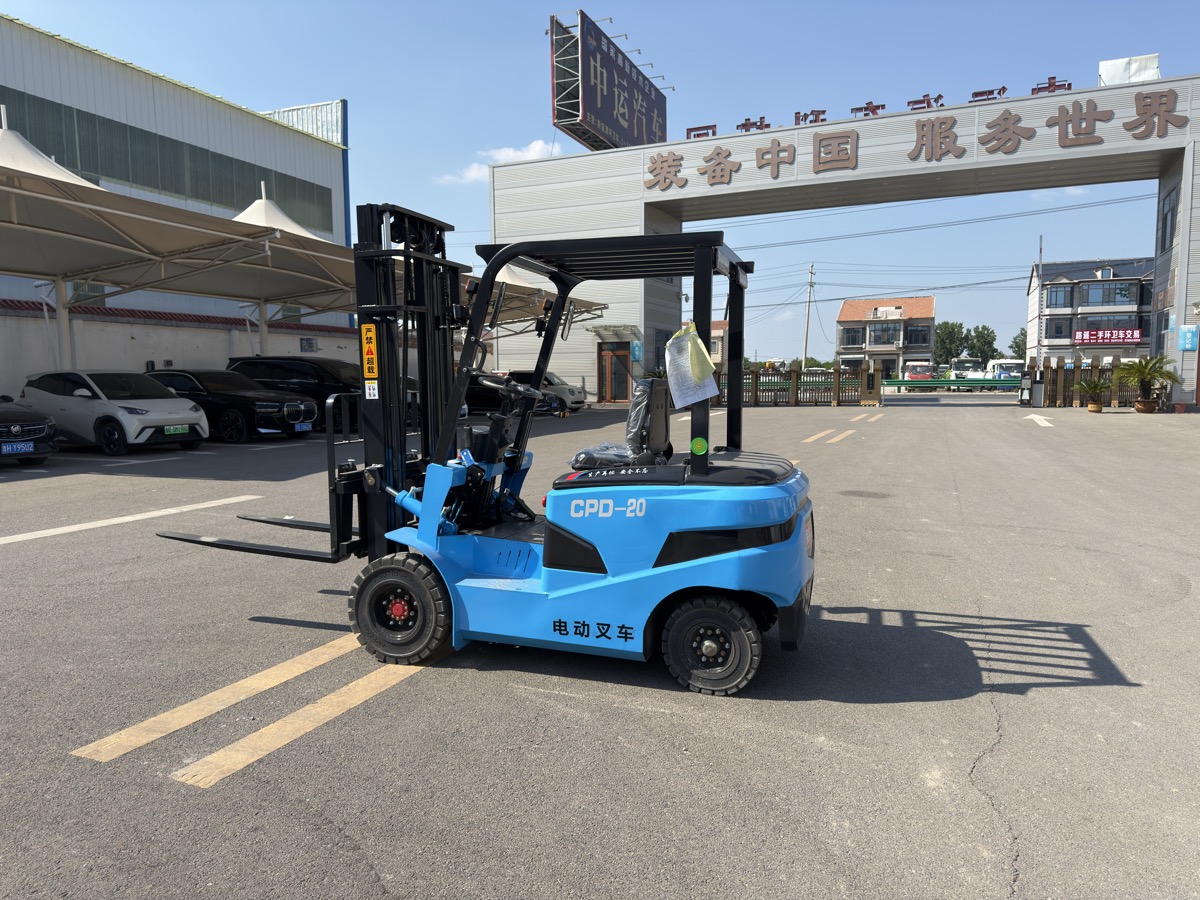
If you’re buying electric forklifts in 2026 — whether from Chinese manufacturers like BaGong 🦊 or the big Western brands — you’re staring at two paths: the traditional lead-acid battery, or the newer lithium iron phosphate (LiFePO4) option. Both will get the job done. But the total cost, the daily workflow, and the headaches along the way? Completely different stories.
I’ve been on the ground in Chinese forklift factories, talked to warehouse managers running multi-shift operations, and crunched the numbers more times than I can count. This isn’t a theoretical comparison. This is what actually happens when the forklift shows up at your loading dock and someone has to figure out how to keep it running.
What You’re Actually Comparing
Before throwing numbers at you, let’s get clear on what’s under the hood.
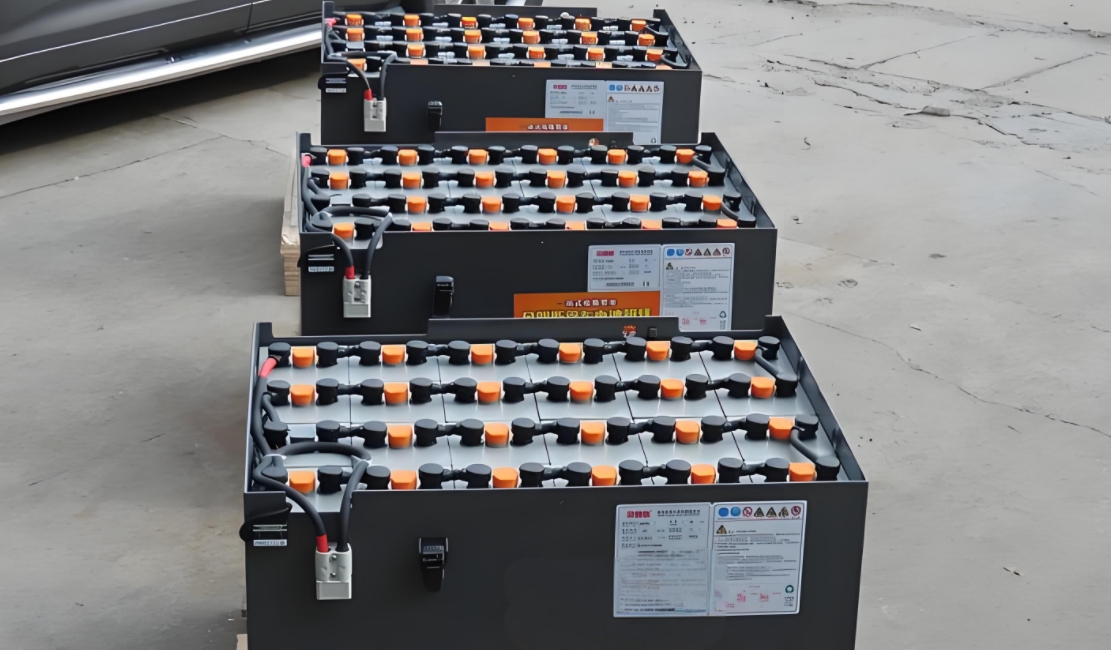
Lead-acid batteries are the old guard. They’ve powered forklifts for 80+ years. Inside those heavy steel cases, lead plates sit submerged in sulfuric acid electrolyte. When you draw power, a chemical reaction releases electrons. When you charge, the reaction reverses. Simple in principle, but the chemistry demands attention — water evaporates, plates sulfate, acid stratifies. There’s a reason every warehouse with lead-acid forklifts has a dedicated battery room and a guy whose job title might as well be “battery babysitter.”
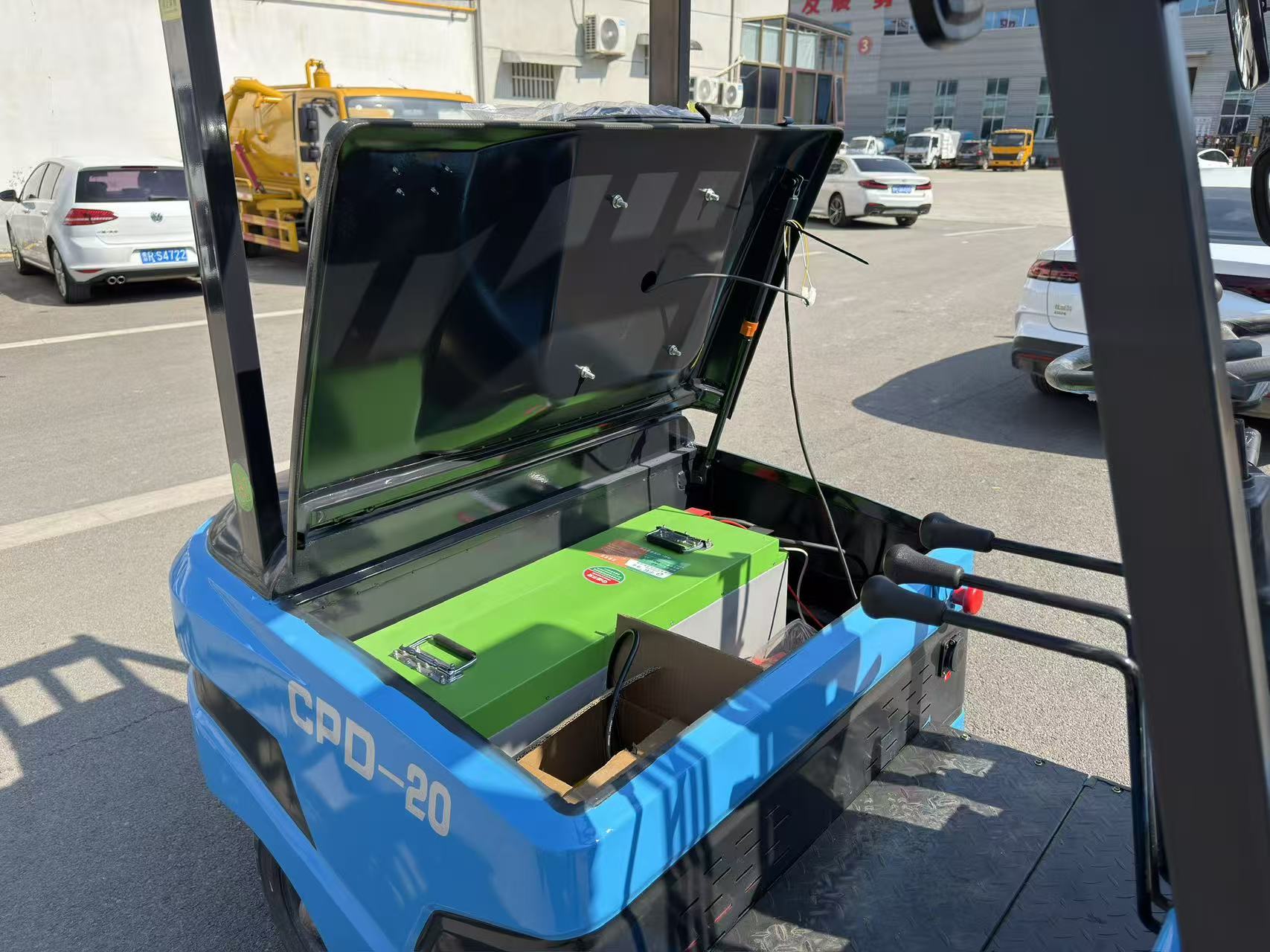
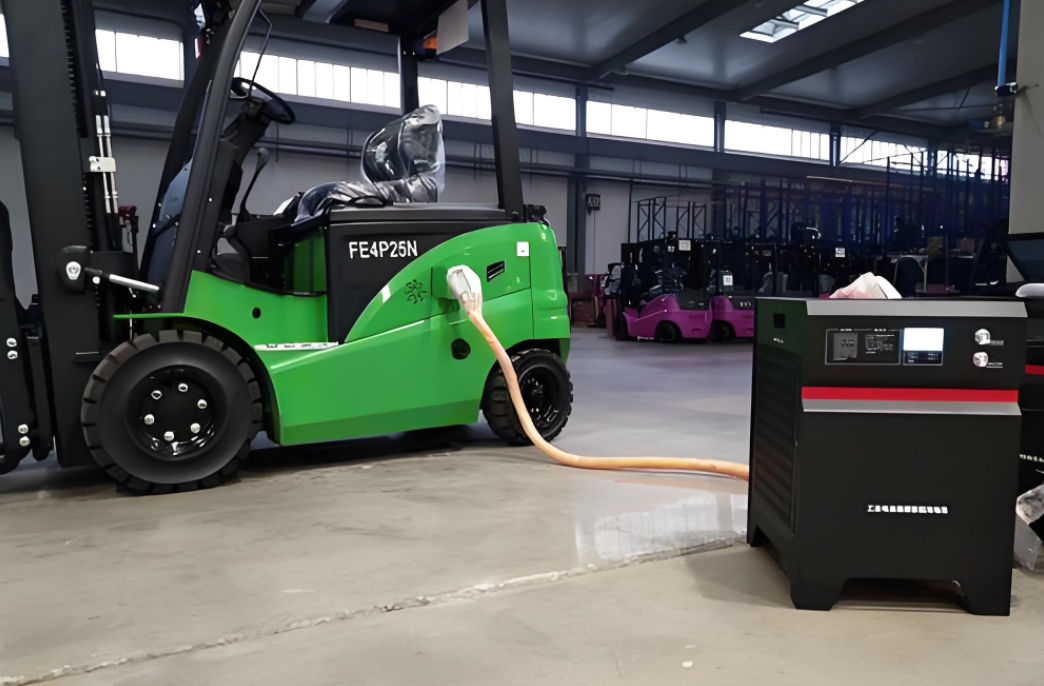
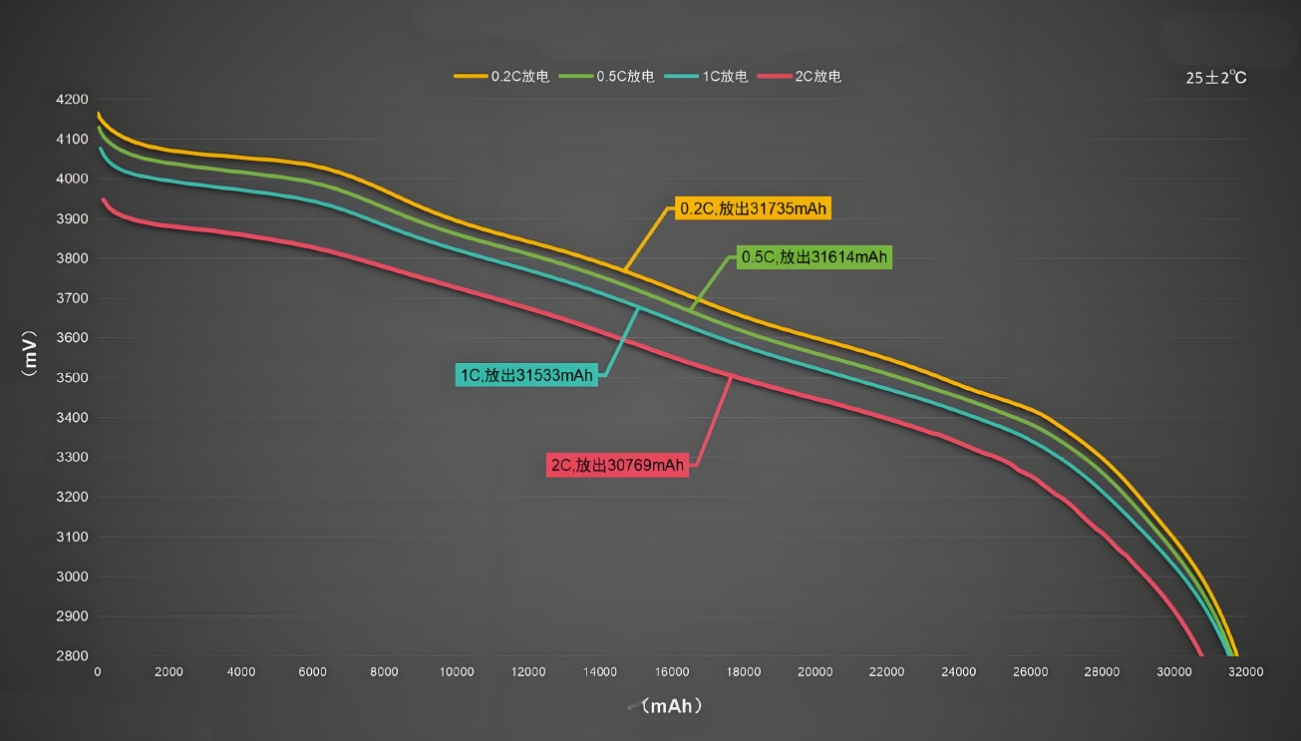
LiFePO4 (lithium iron phosphate) batteries are the disruptor. Same lithium family as your phone battery, but a different chemistry that trades a bit of energy density for dramatically better safety and longevity. No liquid acid sloshing around. No watering. No dedicated charging room with ventilation requirements. The battery management system (BMS) handles everything — balancing cells, preventing overcharge, monitoring temperature. You plug it in during lunch breaks and forget about it.
The lithium forklift battery market has grown roughly 28% year-over-year since 2023, and by mid-2026, more than half of new electric forklift orders in China are shipping with LiFePO4 as the default option. The price gap that scared everyone off five years ago? It’s narrowed dramatically.
The Numbers: Head-to-Head Comparison
Let’s get the specs on the table. Here’s how a typical 48V/600Ah battery setup shakes out for both chemistries in a standard 2.5-ton electric forklift:
| Metric | Lead-Acid | LiFePO4 | Winner |
|---|---|---|---|
| Upfront Battery Cost (48V/600Ah) | $2,800 – $3,500 | $5,500 – $7,200 | Lead-Acid |
| Weight | ~1,050 kg | ~350 kg | LiFePO4 |
| Cycle Life (80% DoD) | 1,200 – 1,500 cycles | 3,500 – 5,000+ cycles | LiFePO4 |
| Usable Capacity | ~50-60% (avoid deep discharge) | ~90-95% | LiFePO4 |
| Full Charge Time | 8 – 10 hours | 1.5 – 3 hours | LiFePO4 |
| Cooling Period (post-charge) | 8 hours required | None required | LiFePO4 |
| Opportunity Charging | ❌ Degrades battery | ✅ No degradation | LiFePO4 |
| Energy Efficiency (round-trip) | 70 – 80% | 95 – 98% | LiFePO4 |
| Monthly Maintenance | Watering, equalizing, cleaning | None (BMS managed) | LiFePO4 |
| Typical Service Life | 3 – 5 years | 8 – 10+ years | LiFePO4 |
| Replacement Batteries over 10 Years | 2 – 3 units | 1 unit | LiFePO4 |
| Charging Room Required | ✅ Dedicated, ventilated | ❌ Charge anywhere | LiFePO4 |
| Temperature Tolerance (charging) | 0°C – 45°C | 0°C – 55°C (with BMS) | LiFePO4 |
Those numbers paint a pretty clear picture on paper. But raw specs don’t tell you what happens when a forklift driver has 15 minutes between trucks and needs to decide whether to charge or keep going. Let’s dig into what each column actually means for your operation.
Upfront Cost vs. 5-Year Reality
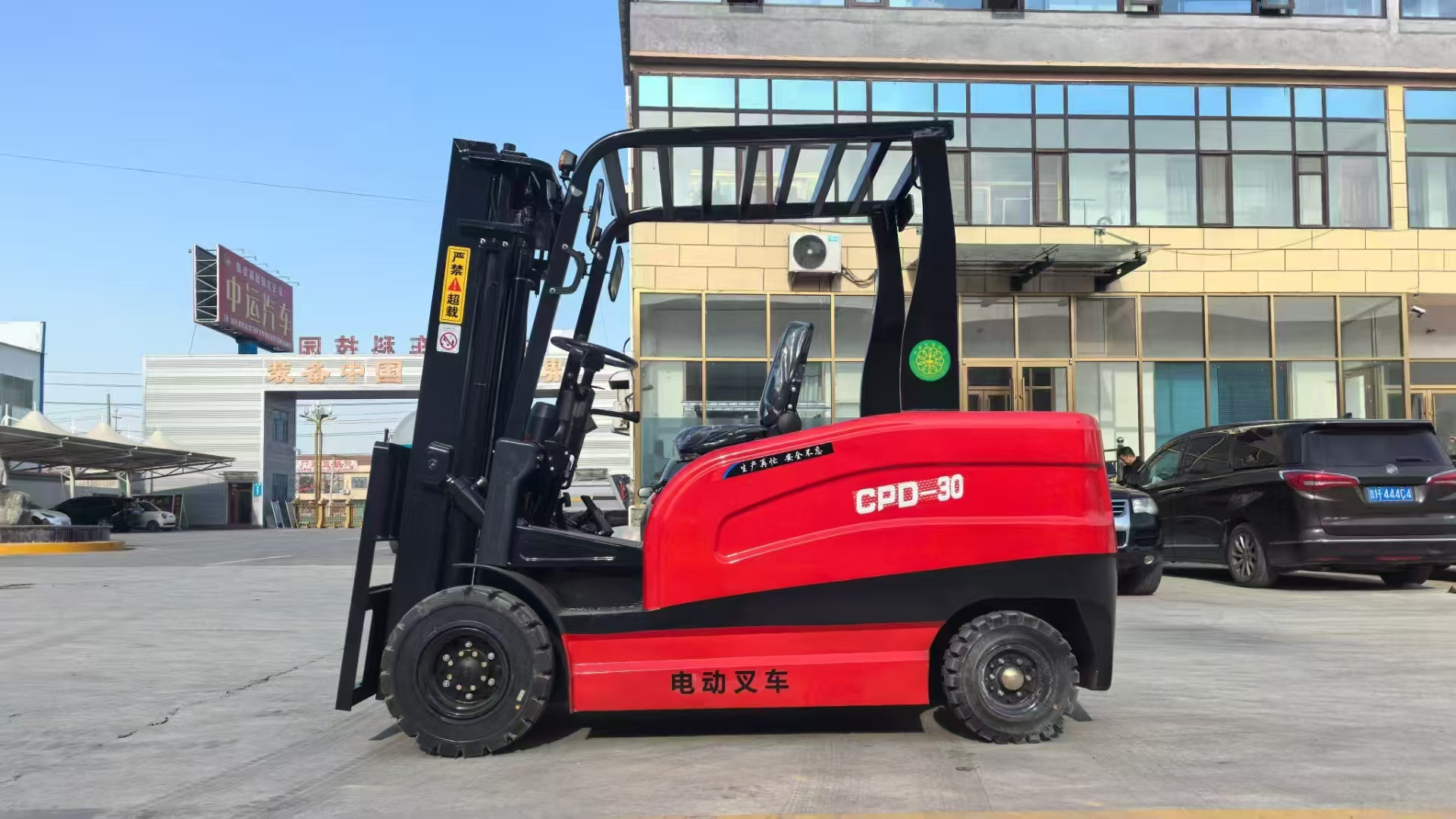
The first thing every buyer sees is the price tag. Lead-acid looks like a bargain — roughly half the upfront cost. A complete 2.5-ton electric forklift from BaGong with lead-acid battery runs about $5,250 FOB Shanghai. The same truck with LiFePO4? $7,200. That $1,950 gap makes procurement managers nervous.
But here’s what the spreadsheet misses:
Year 1: Lead-acid wins on cash outlay. You spend less. Simple.
Year 2-3: The maintenance curve kicks in. Watering lead-acid batteries takes labor — maybe 15-20 minutes per battery per week, times however many trucks you’re running. A 10-truck fleet means roughly 130-170 labor hours per year just on battery watering. At $18-25/hour for warehouse labor, that’s $2,300-4,250 annually that vanishes into a watering can. Meanwhile, the LiFePO4 fleet requires zero minutes.
Year 3-5: The performance gap widens. Lead-acid capacity fades. Usable runtime shrinks from 6 hours to maybe 4. The battery that lasted a full shift in year one now needs a mid-shift swap. Swapping means you need a second battery per truck — another $3,000+ each. Plus the battery changing equipment. Plus the floor space. The “cheap” battery just got expensive.
| 5-Year Cost Item | Lead-Acid (per truck) | LiFePO4 (per truck) |
|---|---|---|
| Initial battery | $3,000 | $6,500 |
| Replacement battery (year 4) | $3,200 | $0 |
| Watering labor (5 years) | $3,500 | $0 |
| Equalization charging electricity | $600 | $0 |
| Ventilation & battery room maintenance | $1,200 | $0 |
| Electricity (50% higher loss) | $2,800 | $1,900 |
| Downtime during swaps (estimated) | $4,500 | $0 |
| Total 5-Year Cost | $18,800 | $8,400 |
That 5-year delta — roughly $10,000 per truck — is why I tell buyers to stop staring at the purchase order and start looking at the P&L. The battery you pay less for today is almost certainly the one that costs more over any meaningful timeframe.
The Charging Problem Nobody Talks About
If maintenance is the hidden cost, charging is the hidden workflow killer.
Lead-acid batteries demand a full 8-10 hour charge cycle, followed by an 8-hour cooling period. That’s 16+ hours of downtime per charge. Run a single shift? Works fine — charge overnight, cool through the morning until the next shift. But run two or three shifts? You now need two or three batteries per truck. You need a battery changing station. You need someone swapping 1,000 kg batteries at shift changes. The infrastructure explodes in complexity.
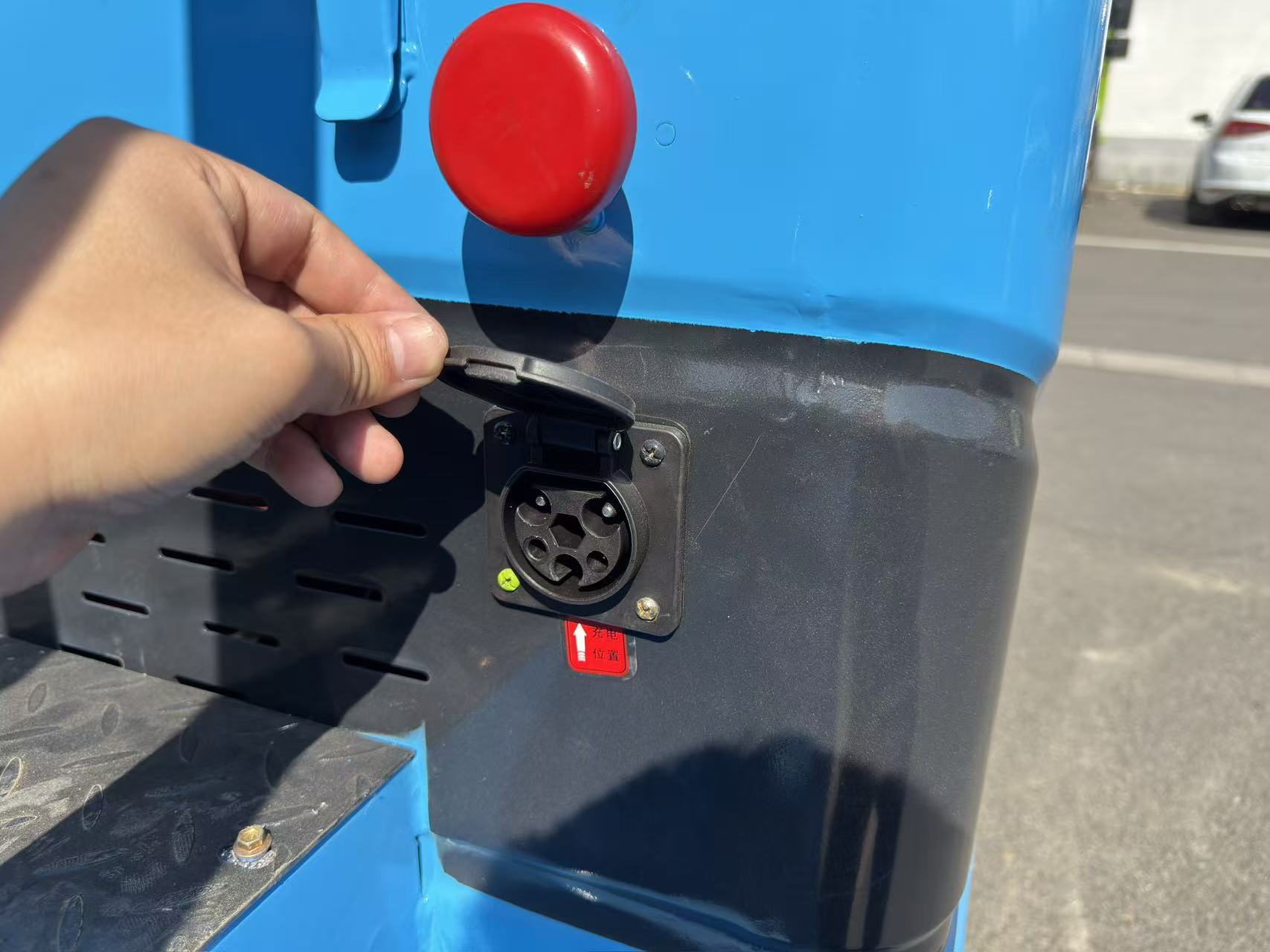
LiFePO4 changes the equation entirely. A 48V pack charges from 20% to 100% in about 2 hours on a standard charger. More importantly, LiFePO4 loves partial charges. Plug it in during a 20-minute lunch break and you get roughly 20-30% charge back — no damage to the battery, no memory effect, no reduced lifespan. This is called opportunity charging, and it’s the single biggest operational advantage lithium has over lead-acid.
I was at a distribution center in Malaysia last year where they switched from lead-acid to LiFePO4 across a 15-truck fleet. Before the switch, they ran three batteries per truck, occupied 200 square meters of floor space for battery storage and changing, and had two full-time staff dedicated to battery management. After the switch: one battery per truck, charging stations installed at parking spots (not a separate room), zero battery-dedicated staff. Their payback on the lithium premium? 14 months.
Maintenance: Where Lead-Acid Bleeds You Dry
Let me be blunt about lead-acid maintenance, because most sales sheets gloss over it. What “regular maintenance” actually means in practice:
- Weekly watering: Distilled water must be added to every cell. Miss it, and the plates get exposed — permanent capacity loss. Overfill, and acid spills during charging corrode the battery tray and everything around it.
- Monthly equalization: A deliberate overcharge cycle to rebalance cells and prevent stratification. Consumes extra electricity, generates hydrogen gas, and shortens overall battery life if done too aggressively.
- Terminal cleaning: Acid mist during charging corrodes terminals. Poor connections increase resistance, heat up, and waste energy.
- Specific gravity checks: Using a hydrometer to measure acid concentration in each cell. Tedious, messy, and skipped by 90% of operators after the first six months.
Now here’s the LiFePO4 maintenance routine: nothing. The BMS monitors every cell in real time, balances them automatically, prevents overcharge and over-discharge, and shuts things down if temperatures go outside safe range. You unplug it, you drive. End of story.
One caveat worth mentioning: LiFePO4 batteries don’t like being charged below freezing. The BMS will block charging at 0°C or below. If your warehouse has unheated areas in winter, you need to plan for this — either keep the forklift in a heated space, or spec batteries with built-in heating elements (which BaGong offers as an option for cold-climate buyers). Lead-acid doesn’t have this constraint, which is one of the few genuine advantages it retains in 2026.
Safety: Acid, Gas, and Fire Risk
Battery safety conversations tend to get emotional fast. Everyone’s heard about lithium battery fires in phones and e-bikes. So let’s address it directly.
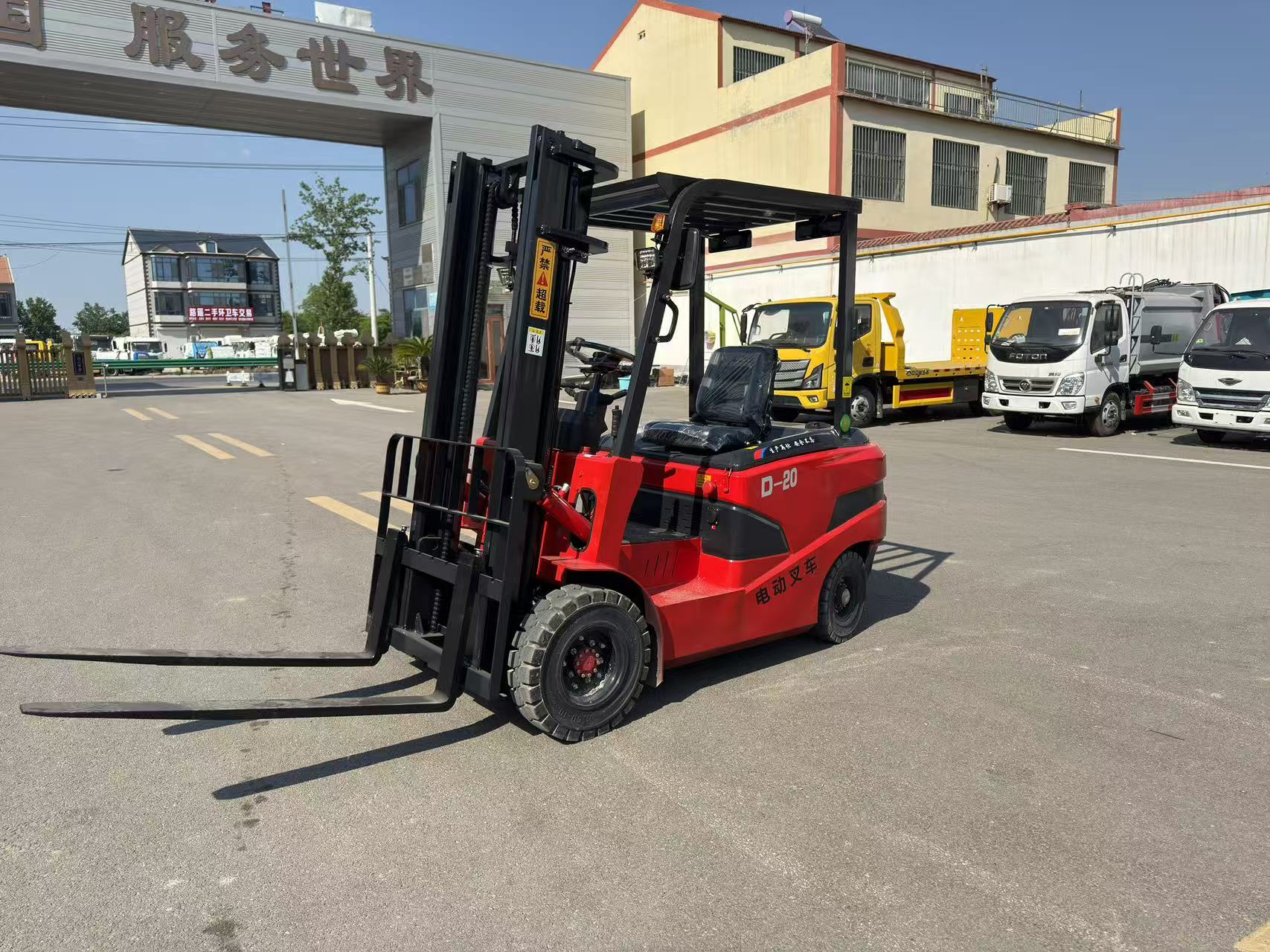
LiFePO4 is fundamentally different from the lithium chemistries that cause fires (lithium cobalt oxide, primarily). Iron phosphate cathodes don’t release oxygen when they fail — no oxygen, no thermal runaway. You can puncture a LiFePO4 cell, short it, overcharge it — it’ll get hot, maybe smoke, but it won’t ignite. That’s not marketing spin; it’s chemistry. UL, TUV, and Chinese GB standards all classify LiFePO4 as the safest lithium chemistry available for industrial applications.
Lead-acid, ironically, has its own safety headaches that nobody talks about because they’ve been normalized for decades: hydrogen gas during charging is explosive above 4% concentration in air; sulfuric acid spills burn skin and destroy concrete floors; and a 1,000 kg battery being swapped at height with a chain hoist is a crush hazard waiting to happen.
In terms of everyday operator safety, the sealed LiFePO4 pack eliminates all three of those risks. No gas. No acid. And at one-third the weight, you’re not hauling a ton of lead around with a hoist.
Real Scenarios: Which Battery Fits Your Operation?
I don’t believe in blanket statements like “lithium is always better.” Here’s when each makes sense:
Go with LiFePO4 if:
- You run two or three shifts. The opportunity charging alone justifies the premium within 18 months.
- You’re tight on space. No battery room, no changing station, no battery storage rack — lithium frees up hundreds of square meters.
- You want predictable costs. Lithium’s near-zero maintenance makes annual budgeting simple and reduces the surprise expense of premature battery failure.
- Your labor market is tight. Finding and keeping workers willing to maintain lead-acid batteries (heavy, dirty, mildly hazardous work) gets harder every year.
- Food, pharma, or cold storage. Lithium doesn’t off-gas, so it’s the only option for hygiene-sensitive environments and works better in cold storage with proper battery heating.
Go with lead-acid if:
- You run a single 8-hour shift and your trucks sit idle 16 hours a day. The lead-acid charging cycle fits naturally.
- Capital budget is extremely tight and you simply can’t stretch to the lithium premium up front. Lead-acid keeps the purchase price lower — just go in with eyes open about year 3-5 costs.
- Your operation is outdoors in freezing conditions without heated storage. Lead-acid handles sub-zero charging where basic LiFePO4 won’t.
- You’re buying used forklifts and the battery comes with the truck. Makes no sense to retrofit lithium onto a 5-year-old machine.
The truth is, for probably 70-80% of new forklift buyers in 2026, LiFePO4 is the better financial decision when you look past year one. The only real argument for lead-acid in new purchases is capital constraints and single-shift operations where the charging cycle aligns naturally.
The BaGong Battery Advantage
One thing that makes this comparison cleaner for buyers looking at Chinese forklifts: BaGong uses Chaowei battery packs — one of China’s top three battery manufacturers and a supplier to several European forklift OEMs. These aren’t no-name cells wrapped in shrink wrap. The LiFePO4 packs come with a certified BMS that communicates battery health, cycle count, and remaining capacity in real time.
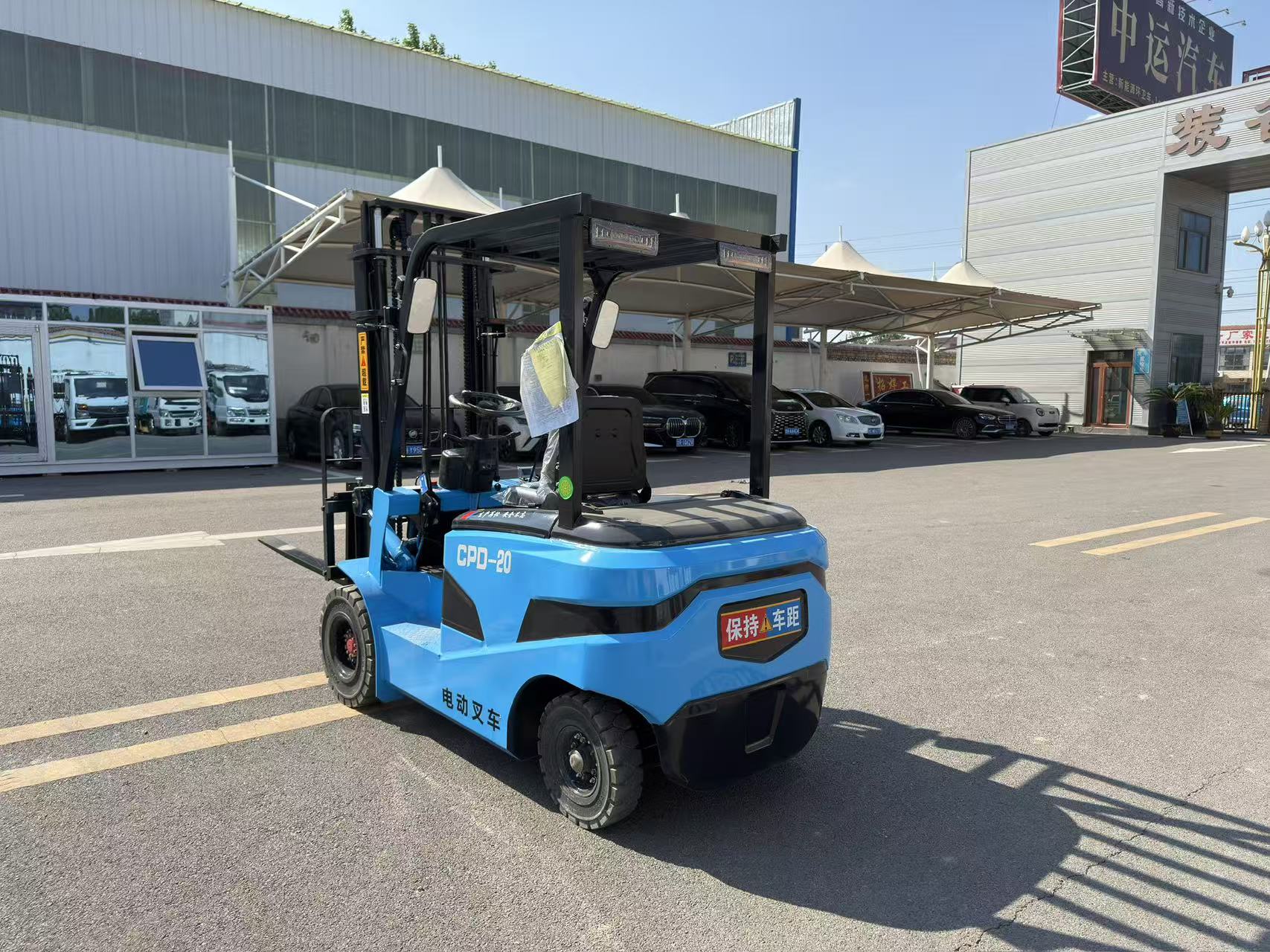
And here’s something that separates smart Chinese manufacturers from the rest: BaGong pairs those Chaowei LiFePO4 batteries with AC drive motors that are inherently more efficient than the DC motors still common in budget electric forklifts. An AC motor regenerates power during braking and lowering, feeding energy back into the battery. Paired with LiFePO4’s high charge acceptance rate, that regen actually adds meaningful range — something lead-acid batteries can’t capitalize on because their charge acceptance drops off sharply above 80% SOC.
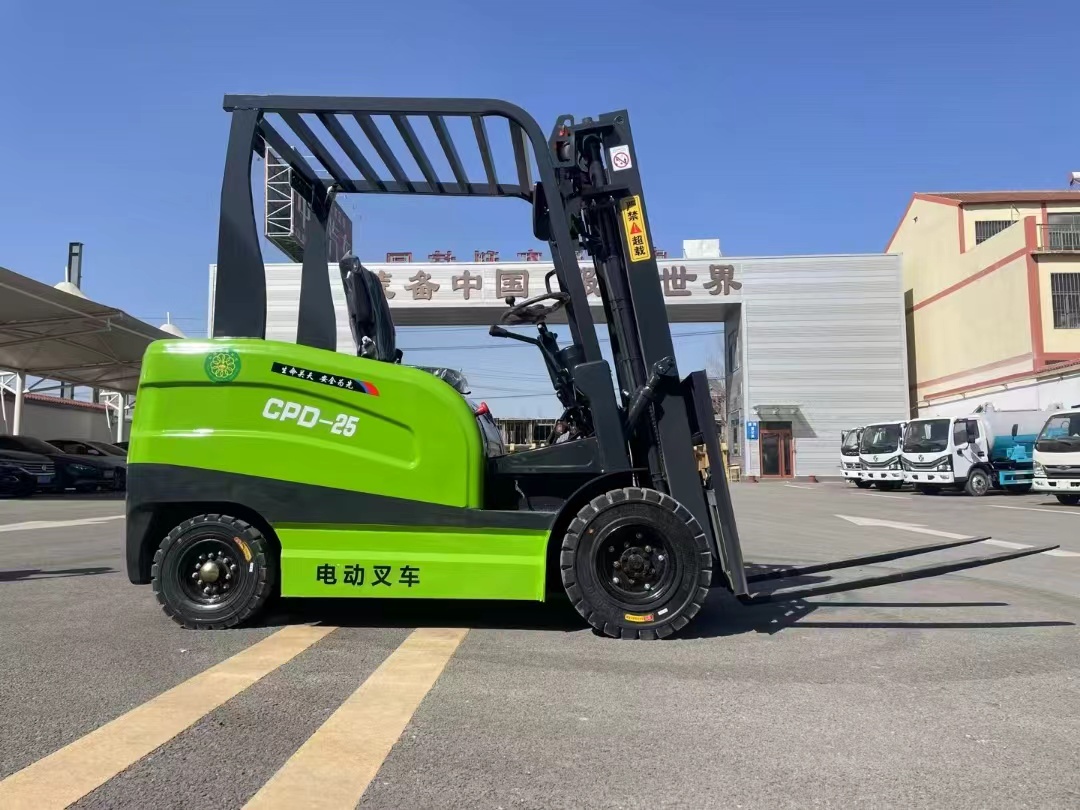
If you’re sourcing forklifts from China, the battery choice is straightforward. BaGong’s pricing structure makes the LiFePO4 premium digestible — the jump from lead-acid to lithium on a 2-ton forklift is about $1,800 (from $4,400 to $6,200 FOB Shanghai), which you recover in maintenance savings alone within 24-30 months.
| BaGong Model | Lead-Acid Price (FOB) | LiFePO4 Price (FOB) | Lithium Premium |
|---|---|---|---|
| 2-Ton Electric Forklift | $4,400 | $6,200 | $1,800 |
| 2.5-Ton Electric Forklift | $5,250 | $7,200 | $1,950 |
| 3-Ton Electric Forklift | $6,050 | $8,050 | $2,000 |
| 3.5-Ton Electric Forklift | $7,150 | $9,150 | $2,000 |
Frequently Asked Questions
Q: Can I retrofit a LiFePO4 battery into my existing lead-acid forklift?
A: Technically yes — there are drop-in replacement packs that match lead-acid case dimensions and voltage. But you need to verify that your forklift’s charger is lithium-compatible (most older chargers aren’t) and that the truck’s weight distribution can handle a battery that’s 600-700 kg lighter. Many operators add steel ballast plates to compensate. It’s doable but not always clean. If you’re buying new, spec lithium from the factory and the truck will be designed around it.
Q: How do I dispose of a LiFePO4 battery when it’s done?
A: Unlike lead-acid batteries (which have a mature recycling infrastructure and 98%+ recycling rates in most countries), LiFePO4 recycling is still maturing. However, the longer lifespan means you’re dealing with disposal once a decade instead of every 3-5 years. Major Chinese battery makers including Chaowei now operate LiFePO4 recycling facilities, and the recovered materials (lithium, iron, phosphate) have increasing market value as raw material prices rise.
Q: Does cold weather really kill LiFePO4 performance?
A: It reduces usable capacity temporarily (about 15-20% loss at -10°C), but it doesn’t damage the battery permanently unless you charge it below freezing. For cold storage applications, BaGong offers LiFePO4 packs with integrated heating pads that warm the cells before charging begins. Lead-acid also loses capacity in cold weather — roughly 30-40% at -10°C — so neither chemistry loves the cold, but the failure modes are different.
Q: What’s the real lifespan difference?
A: In a well-managed single-shift operation, a lead-acid battery typically delivers 3-4 good years before capacity drops below 80% and users start noticing it can’t finish a shift. LiFePO4 with the same usage pattern will comfortably deliver 7-8 years before hitting 80% capacity, and often goes 10+ years in lighter-duty applications. The real-world data from Chinese factories running 300+ days per year on LiFePO4 supports this — Chaowei’s warranty covers 5 years or 4,000 cycles on most industrial packs.
Bottom Line
If you’re buying electric forklifts in 2026 and planning to use them for more than 3 years, LiFePO4 wins on total cost of ownership in nearly every scenario except the most basic single-shift operation. The price gap has narrowed to the point where the lithium premium pays for itself through eliminated maintenance labor, reduced electricity consumption, longer service life, and the operational flexibility of opportunity charging.
Lead-acid isn’t obsolete — it still works, and for certain use cases it’s still the right call. But it’s increasingly the budget option that costs more in the long run, not the smart money.
If you’re sourcing electric forklifts from China and weighing battery options, BaGong offers both configurations across the full product line — 2-ton through 3.5-ton — with transparent FOB pricing. Drop me a line and I’ll walk you through the real numbers for your specific operation, not the generic sales pitch.
👉 Contact BaGong Machinery for a custom quote with the battery configuration that actually makes sense for your warehouse.
Also worth reading: Importing Electric Forklifts from China — The Complete Guide if you’re planning to bring Chinese forklifts into your market.