
Blog
How to Choose the Right Electric Forklift for Your Warehouse: A Complete Buying Guide

Introduction
Choosing the right electric forklift for your warehouse is one of the most important investment decisions a logistics or warehouse manager will make. With capacity options ranging from 1.5 tons to 5 tons, and configurations including lithium-ion batteries, AC motors, and various mast types, the choices can be overwhelming.
This comprehensive buying guide will walk you through every factor you need to consider — helping you select the perfect electric forklift for your specific operational needs.
1. Determine Your Load Capacity Requirements
The first and most obvious consideration is weight. Electric forklifts typically range from 1.5 tons to 5 tons, with 2-ton and 3-ton being the most common for warehouse applications.
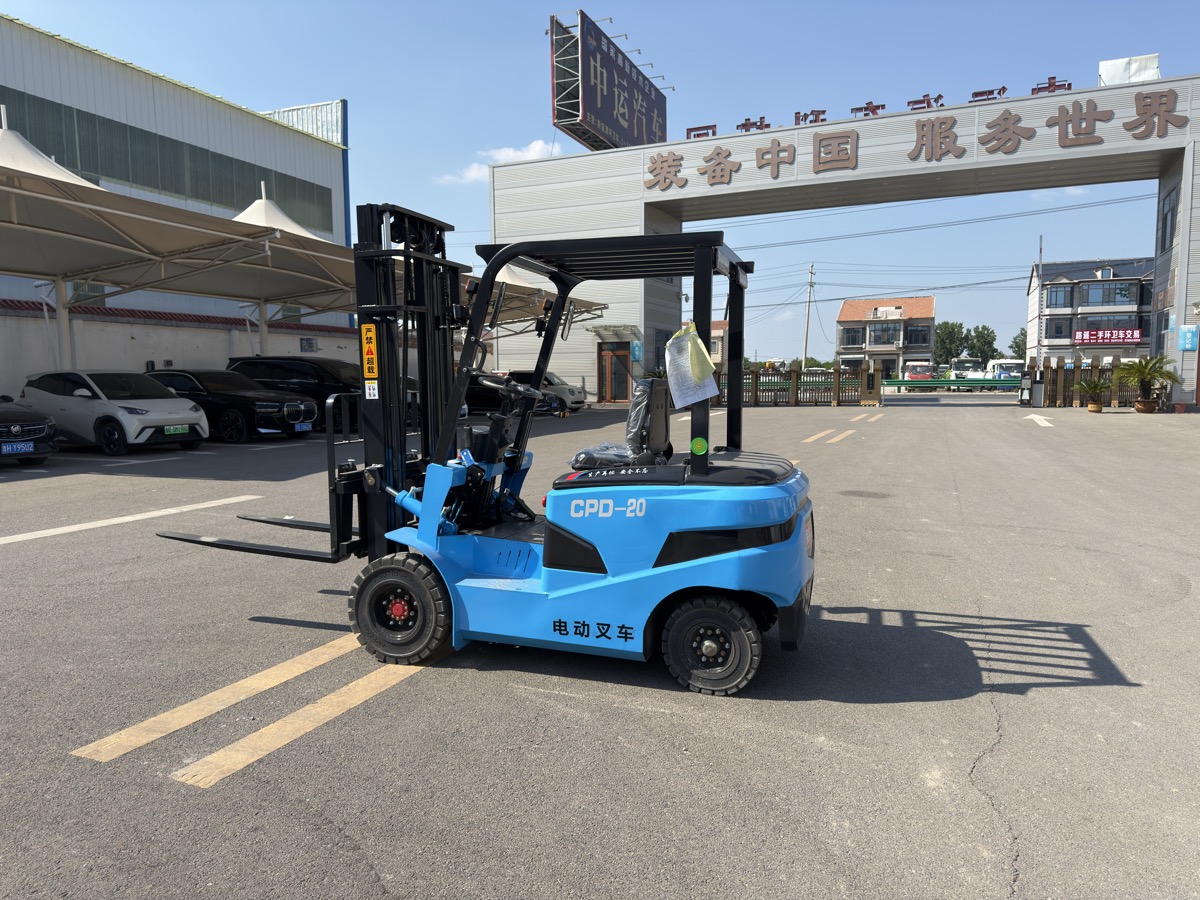
- 2-ton (CPD-2.0): Ideal for light to medium warehouses, standard pallet handling, and manufacturing floor duties
- 2.5-ton (CPD-2.5): A versatile mid-range option for mixed-load environments
- 3-ton (CPD-3.0): The warehouse workhorse — suitable for most general warehouse operations
- 3.5-ton (CPD-3.5): For heavier loads and some outdoor yard work
- 5-ton and above: For heavy industrial applications and container loading
Rule of thumb: Always choose a forklift with at least 15–20% more capacity than your heaviest typical load.
2. Battery Type: Lithium-Ion vs Lead-Acid
This is perhaps the most important decision in modern forklift selection. Your battery choice affects uptime, maintenance costs, and total cost of ownership.
Lithium-Ion Advantages
- Zero maintenance — no water refilling or equalization charges
- Opportunity charging — charge during breaks without damaging the battery
- 3,000–5,000 cycle life (8–10 years vs 3–5 years for lead-acid)
- 30–40% lower total cost of ownership over a decade
- No hydrogen emissions — no dedicated charging room needed
Lead-Acid Advantages
- Lower upfront cost — saves $1,500–$3,000 on initial purchase
- Acts as built-in counterweight (useful for some operations)
- Familiar technology with widespread service availability
👉 Read our full lithium vs lead-acid comparison
3. Lift Height and Mast Type
Consider the maximum racking height in your warehouse. Forklift masts come in several configurations:
- Simplex (2-stage): Up to 4 meters — suitable for standard pallet racking
- Duplex (2-stage free lift): Up to 5 meters — allows lifting in low-clearance areas
- Triplex (3-stage): Up to 7 meters — ideal for high-bay warehouses
- Full Free Lift: The inner mast raises before the outer mast moves — essential for double-stacked containers and low doorways
4. Tire Type: Cushion vs Pneumatic
- Cushion tires: Solid rubber, best for smooth indoor floors, higher stability, lower cost
- Pneumatic tires: Air-filled, better for rough surfaces and outdoor use, more shock absorption
For most warehouse applications, cushion tires are the preferred choice.
5. Key Features to Look For
AC Drive Motor
ISO international standards provide globally recognized benchmarks for forklift quality, safety, and performance. All BaGong electric forklifts feature Hate permanent magnet synchronous AC motors, which offer superior energy efficiency, smoother acceleration, and lower maintenance compared to DC motors.
Regenerative Braking
Converts braking energy back into battery charge, extending runtime by 10–15%.
As noted by U.S. Department of Energy, electric forklifts significantly reduce carbon emissions and operating costs compared to internal combustion models.
Side Shift and Fork Positioner
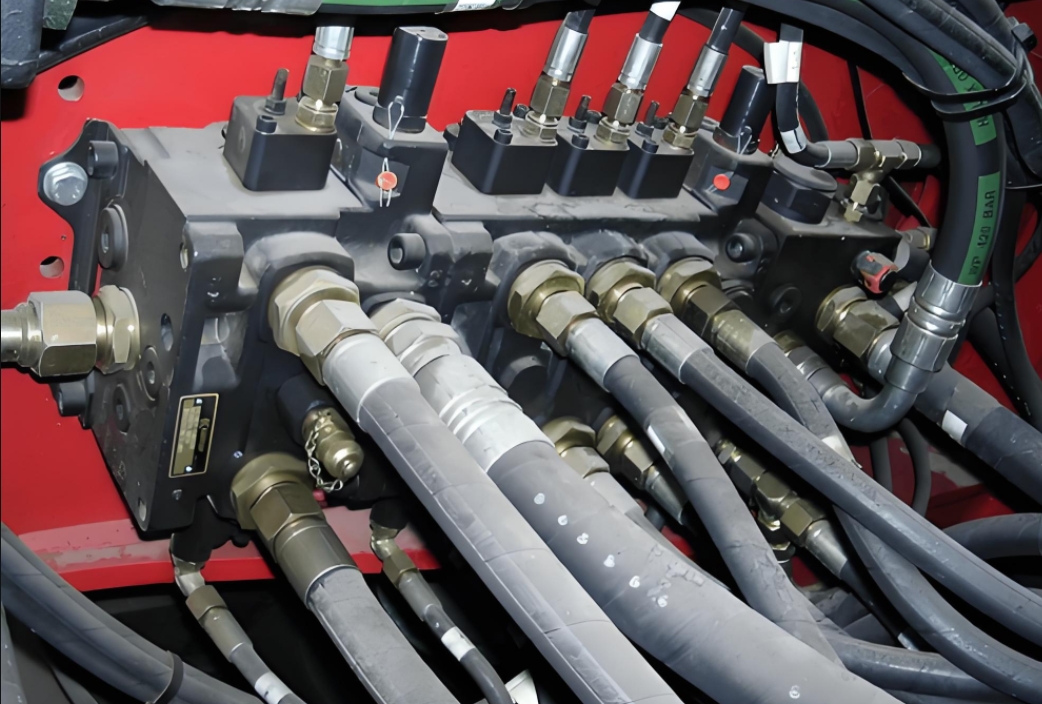
Hydraulic side shift allows lateral fork movement without repositioning the truck — a massive productivity boost in tight aisles.
ERGONOMIC CABIN
- Adjustable suspension seat
- Tilt steering column
- LCD multi-function display showing battery level, service reminders, and fault codes
6. Total Cost of Ownership Analysis
| Factor | Impact on TCO |
|---|---|
| Purchase price (2-ton electric) | $4,400 (lead-acid) / $6,200 (lithium) |
| Battery replacement (10 years) | Lithium: $0 | Lead-acid: $3,000–$7,000 |
| Electricity (10 years) | $3,500–$5,500 |
| Maintenance parts & labor (10 years) | $4,000–$8,000 |
Based on FOB Shanghai pricing, a 2-ton BaGong electric forklift with lithium battery starts at approximately $6,200 — and delivers significant savings over time when factoring in reduced maintenance and energy costs.
7. BaGong Electric Forklift Models
BaGong Forklift offers a complete range of new-energy electric forklifts with both lead-acid and lithium battery options:
- 2-ton Electric Forklift (CPD-2.0) — FOB from $4,400
- 2.5-ton Electric Forklift (CPD-2.5) — FOB from $5,250
- 3-ton Electric Forklift (CPD-3.0) — FOB from $6,050
- 3.5-ton Electric Forklift (CPD-3.5) — FOB from $7,150
All models feature Hate AC motors, Chaowei/Senkang batteries, intelligent BMS, and optional LiFePO4 power packs. Each forklift is covered by our 1-year warranty and backed by 24/7 technical support.
Recommended BaGong Electric Forklifts
Looking for a reliable electric forklift? BaGong offers CE-certified electric forklifts with LiFePO4 batteries and maintenance-free AC motors. FOB Shanghai pricing with global shipping available:
- 2-ton Electric Forklift — Compact & versatile, ideal for warehouses and tight spaces
- 3-ton Electric Forklift — The workhorse — ideal for heavy-duty warehouse and logistics operations
Contact BaGong for a custom quote today.
Conclusion
Choosing the right electric forklift requires balancing upfront cost against operational needs. For most modern warehouses, a 2-ton or 3-ton lithium-ion forklift offers the best combination of performance, TCO, and sustainability.
Contact BaGong Forklift today for a personalized recommendation, FOB price quote, or to schedule a factory video tour.