
Blog
Forklift Safety in Warehouses: Real Accidents, Hidden Risks, and What Every Manager Must Know (2026)


Let me tell you about a Tuesday morning I’ll never forget.
It was 7:42 AM. The warehouse in Ningbo was just getting into its rhythm — morning shift change, pallets being staged, the familiar beep-beep-beep of forklifts backing up. I was there to deliver two new electric units to a long-time logistics client. Everything looked routine.
Then I heard it. Not a crash — those you get used to. This was different. A wet, crunching sound, followed by absolute silence. Then screaming.
A 3-ton counterbalance forklift had pinned a worker against a steel racking upright. The operator — a guy with eight years of experience — had been carrying a load too high, blocking his forward view. He never saw the pedestrian step into the aisle.
The worker survived. Barely. Three broken ribs, a fractured pelvis, six months of rehab. The company? They paid a $156,000 OSHA-equivalent fine (this was under China’s workplace safety regulations, which have gotten serious in the last few years), lost their safety certification for three months, and had their insurance premiums double overnight.
The operator? He quit the industry. Said he couldn’t sit behind the wheel anymore without seeing that moment replay in his head.
I’ve been selling forklifts for over a decade. I’ve walked through hundreds of warehouses across Asia, the Middle East, South America. And I can tell you this with absolute certainty: the machines almost never fail. The systems around them do.
This article isn’t going to lecture you about wearing hard hats. You already know that. What I want to do is walk you through what actually causes forklift accidents, why the standard safety advice often misses the point, and what the warehouses with zero incidents are doing differently.
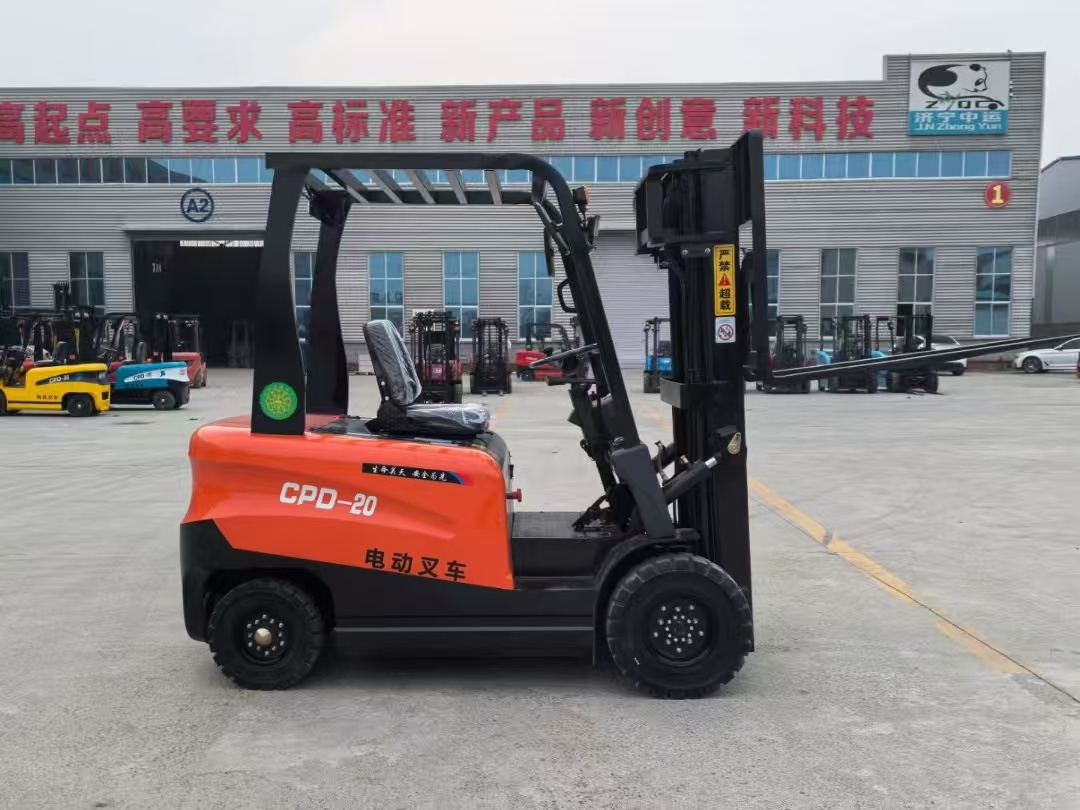
The Accident Chain Nobody Talks About
Every forklift accident I’ve ever investigated — and I’ve been called in to consult on more than a dozen — follows the same pattern. It’s never one thing. It’s always a cascade.
Here’s what the official investigation report from that Tuesday morning looked like:
| Factor | What Happened | Root Cause |
|---|---|---|
| Load position | Forks raised to 1.8m during travel | Operator habit — “saves time vs lowering and re-raising” |
| Visibility | Forward view completely obstructed | No spotter assigned; warehouse had cut staffing |
| Pedestrian path | Worker entered aisle through unmarked crossing | Floor markings had worn off 6 months prior, never repainted |
| Speed | Estimated 8 km/h in a 5 km/h zone | Speed limiter on IC forklift had been disabled by maintenance |
| Communication | No horn sounded before entering intersection | Operator “didn’t think anyone was there” |
| Fatigue | Operator on hour 11 of a 12-hour shift | Peak season overtime policy with no rotating breaks |
See the pattern? Remove any ONE of those factors, and that worker probably walks away with a scare instead of a shattered pelvis. But together, they formed a perfect storm.
This is what safety professionals call the Swiss cheese model — each layer has holes, and when the holes line up, the accident happens. Most warehouse managers focus on plugging one hole (training!) while ignoring the rest (staffing, maintenance, floor design).
The Numbers Don’t Lie
According to OSHA data, forklifts are involved in roughly 85 fatal accidents per year in the United States alone, with another 34,900 serious injuries and 61,800 non-serious injuries. The National Safety Council estimates the average cost of a single forklift-related fatality at $1.4 million when you factor in fines, legal costs, insurance hikes, and production downtime.
But here’s what the statistics don’t capture: for every fatality, there are roughly 100 near-misses — moments where someone almost got hurt and everyone just breathed a sigh of relief and moved on. Those near-misses? They’re free warning signs that most warehouses completely ignore.
The most common forklift accident types break down like this:
| Accident Type | % of Total Incidents | Typical Injury Severity |
|---|---|---|
| Forklift overturn / tip-over | 25% | Fatal or critical |
| Pedestrian struck by forklift | 20% | Severe to fatal |
| Worker crushed by forklift | 16% | Fatal |
| Fall from forks / platform | 12% | Moderate to severe |
| Struck by falling load | 10% | Moderate to severe |
| Forklift collision (structure/rack) | 9% | Minor to moderate |
| Maintenance-related incident | 5% | Varies |
| Other | 3% | Varies |
Source: OSHA Fatality and Injury Reporting, combined with industry safety surveys (2023-2025)
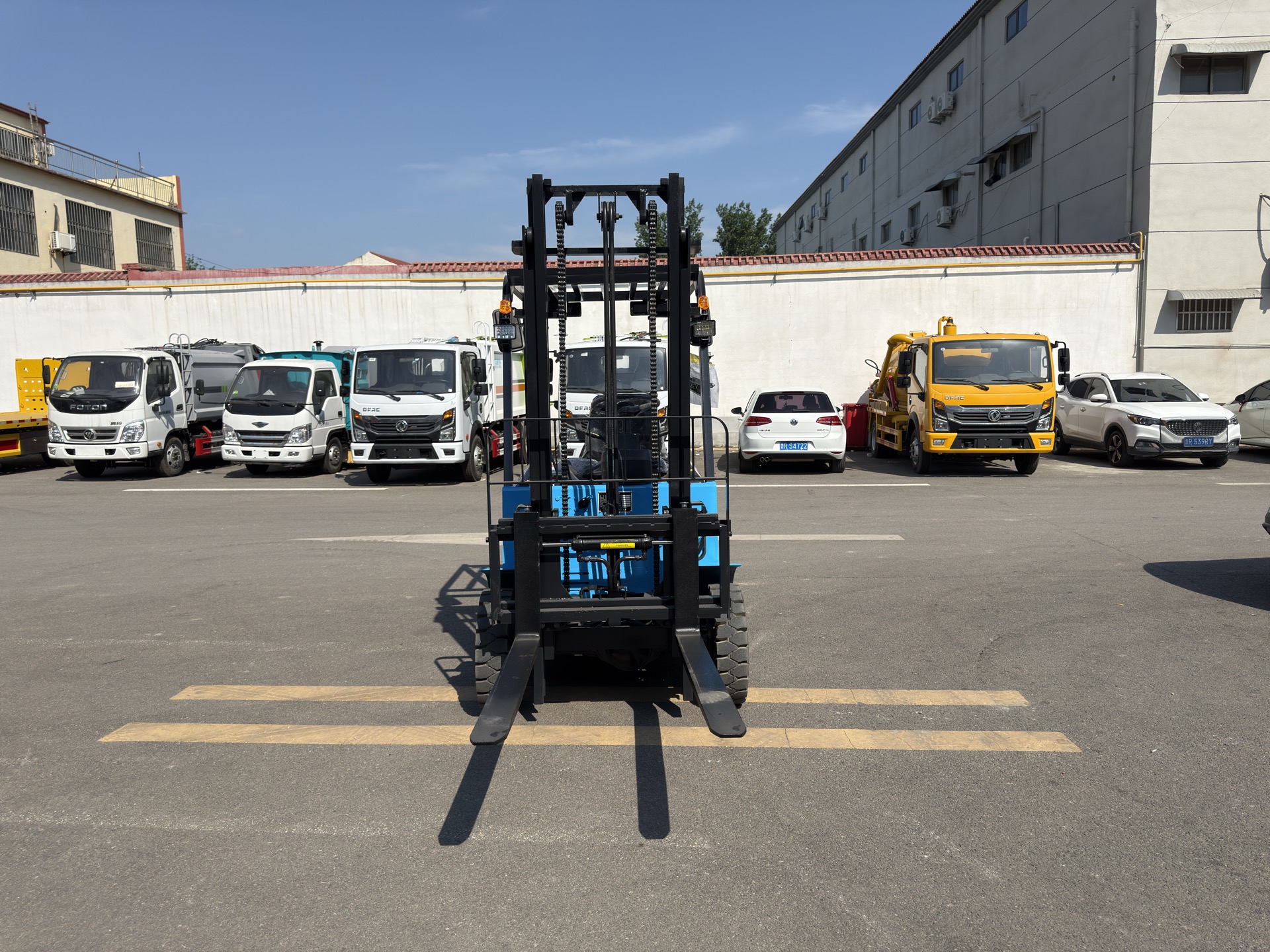
The one that surprises most people? Tip-overs account for a quarter of all incidents — and they’re almost always fatal. When a 4-ton forklift goes over, the operator’s instinct is to jump. Don’t. Ever. Brace, hold the steering wheel, lean away from the impact. Jumping is how operators get crushed by the overhead guard.
What the “Safe” Warehouses Do Differently
Over the years, I’ve noticed a pattern among warehouses that go 3+ years without a single forklift incident. It’s not that they have better equipment or more money — though that helps. It’s that they treat safety as an operational system, not a compliance checkbox.
Here’s what I’ve observed:
1. They Separate People and Machines — Physically
This sounds obvious, but you’d be amazed how many warehouses have forklifts and pedestrians sharing the same unmarked floor space. The best facilities I’ve seen use:
- Physical barriers: Steel bollards, guardrails, and crash-rated barriers at all pedestrian crossings and high-risk corners. Paint on the floor is the minimum — it wears off.
- Designated pedestrian walkways: Raised or clearly separated paths with their own entry/exit points. In one Dubai warehouse I visited, pedestrian zones were painted bright green with overhead signage — you literally couldn’t miss them.
- One-way forklift traffic: This eliminates the most dangerous scenario — two forklifts meeting head-on in a narrow aisle with a pedestrian caught between them.
2. They Use Technology That Actually Matters
Not gadgetry for the sake of it. Practical stuff:
| Technology | What It Does | Real-World Impact |
|---|---|---|
| Blue safety spotlights | Projects bright blue/red spot on floor 3-5m ahead/rear of forklift | Reduces pedestrian strikes by up to 40% in some facilities — pedestrians see the light before the machine |
| Speed zone limiters | Automatically caps forklift speed in designated areas via RFID/ultrasonic tags | Prevents operators from “forgetting” to slow down in pedestrian zones |
| Proximity detection systems | Sensors that alert operator (and pedestrian) when within 3-5m range | Catches blind-spot situations that mirrors miss |
| 360° camera systems | Overhead and surround-view cameras, especially on larger units | Eliminates forward-view obstruction issue entirely |
| Telematics with impact detection | Records every bump, sudden stop, and near-miss event | Creates accountability; patterns emerge that training alone won’t fix |
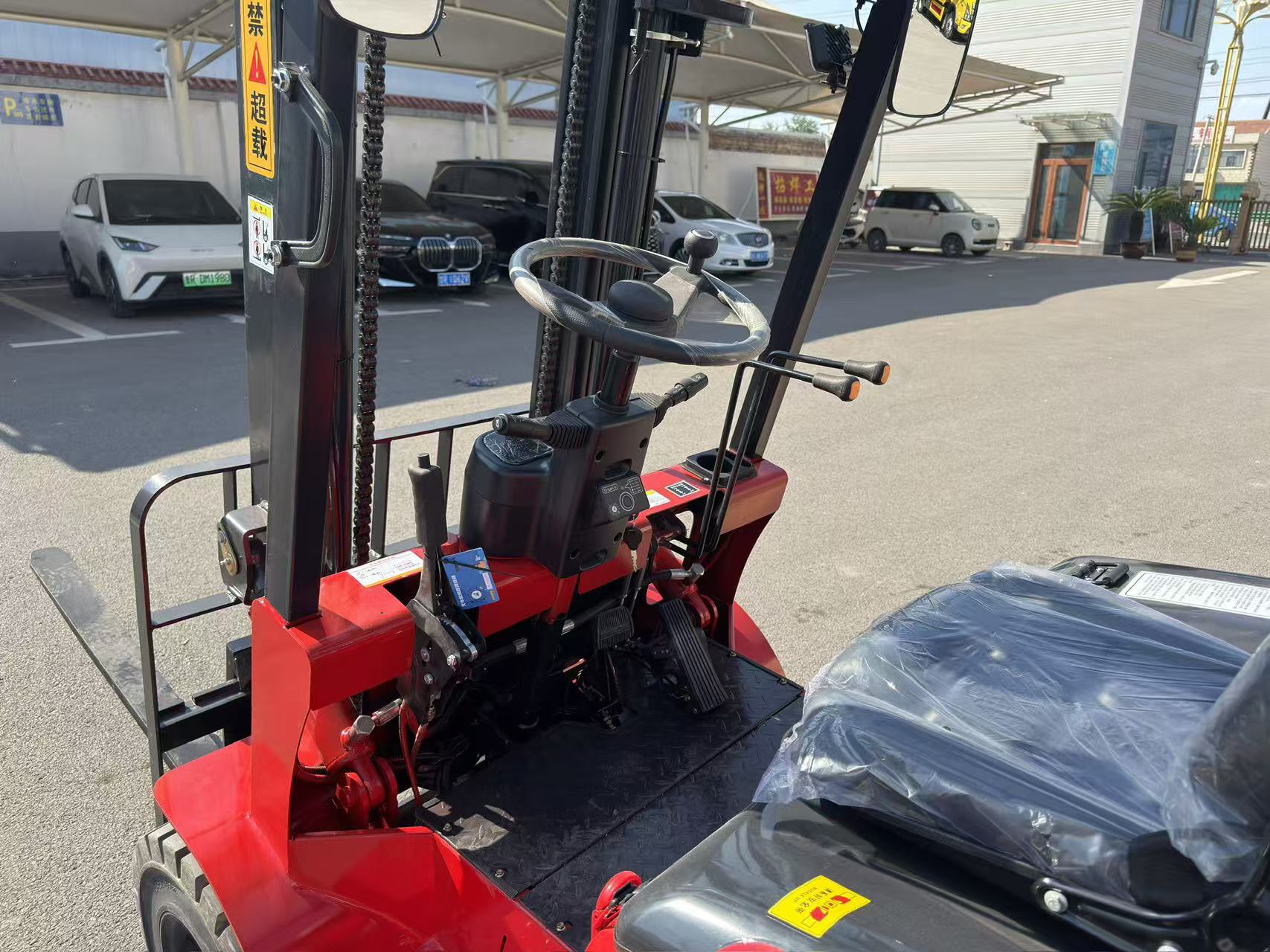
One thing worth noting: electric forklifts — especially modern LiFePO₄ battery units — are actually inherently safer in several ways compared to IC (internal combustion) counterparts. No exhaust fumes means you’re not poisoning your warehouse air. Lower center of gravity (battery weight sits low in the chassis) means better stability and reduced tip-over risk. And the instant torque + regenerative braking gives operators finer control at low speeds — precisely where accidents happen.
3. They Train for Judgment, Not Just Compliance
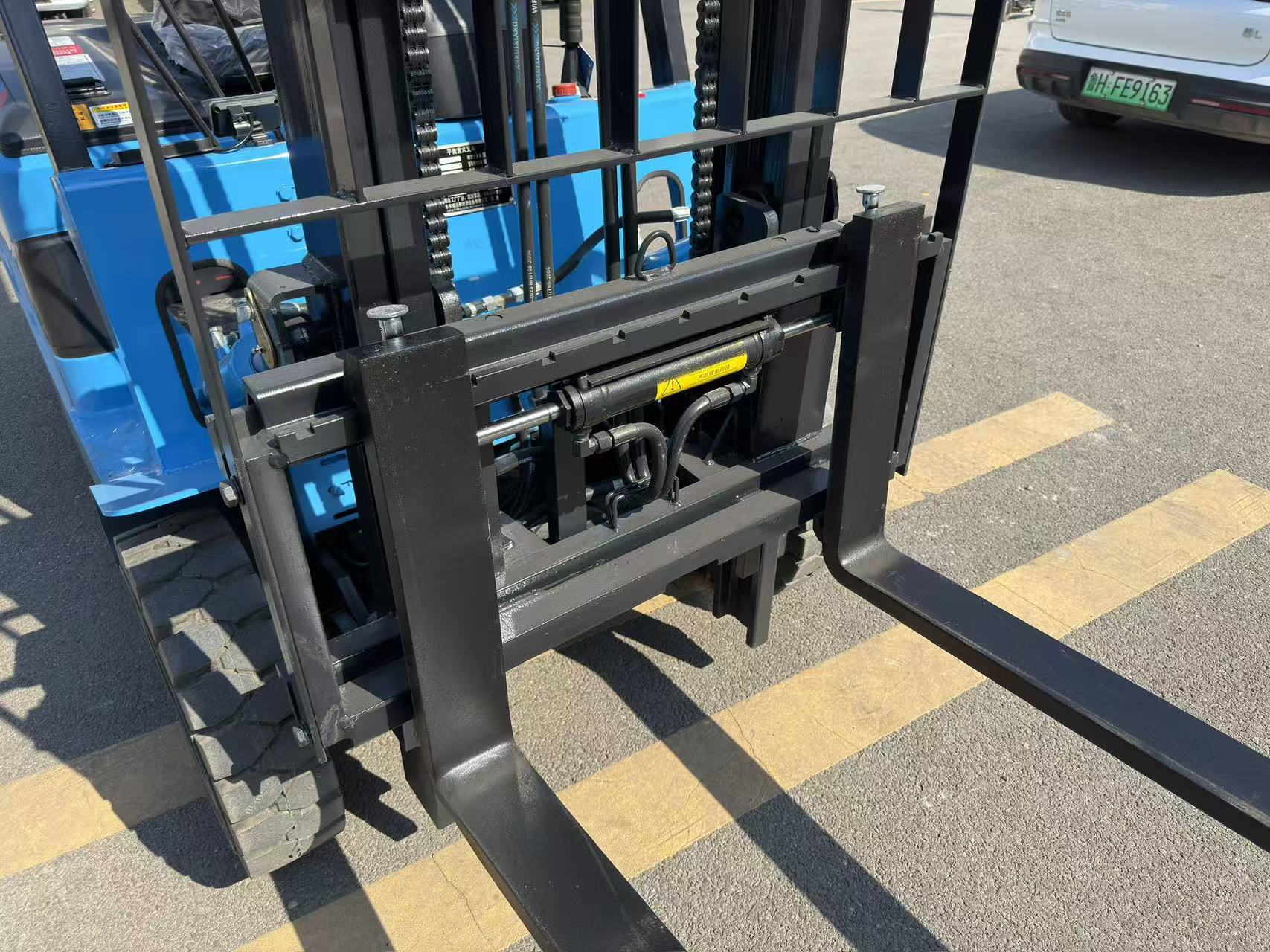
Every jurisdiction requires forklift operator certification. But certification is the floor, not the ceiling. The warehouses I respect most run:
- Quarterly refresher sessions that focus on a single scenario (e.g., “what do you do when a load starts to shift at height?”)
- Near-miss reporting without punishment — operators who self-report a close call get a debrief, not a write-up. You want them telling you before OSHA does.
- Pedestrian awareness training for EVERYONE — not just operators. If you walk through a warehouse, you need to understand forklift blind spots, stopping distances, and hand signals.
Here’s a stat that should make every warehouse manager uncomfortable: according to the National Institute for Occupational Safety and Health (NIOSH), operator error is cited in roughly 70% of forklift accidents, but when you dig deeper, inadequate training and supervision are the root cause in most of those cases. You can’t blame an operator for a mistake they were never trained to avoid.
4. They Maintain Equipment Like Lives Depend on It
Because they do. I once walked into a cold storage facility in Thailand where a forklift’s mast chain had rusted through — the operator was lifting 1.5 tons of frozen seafood 4 meters up with a chain that was literally days from snapping. Nobody had done a daily inspection in months. “Too busy,” the manager told me.
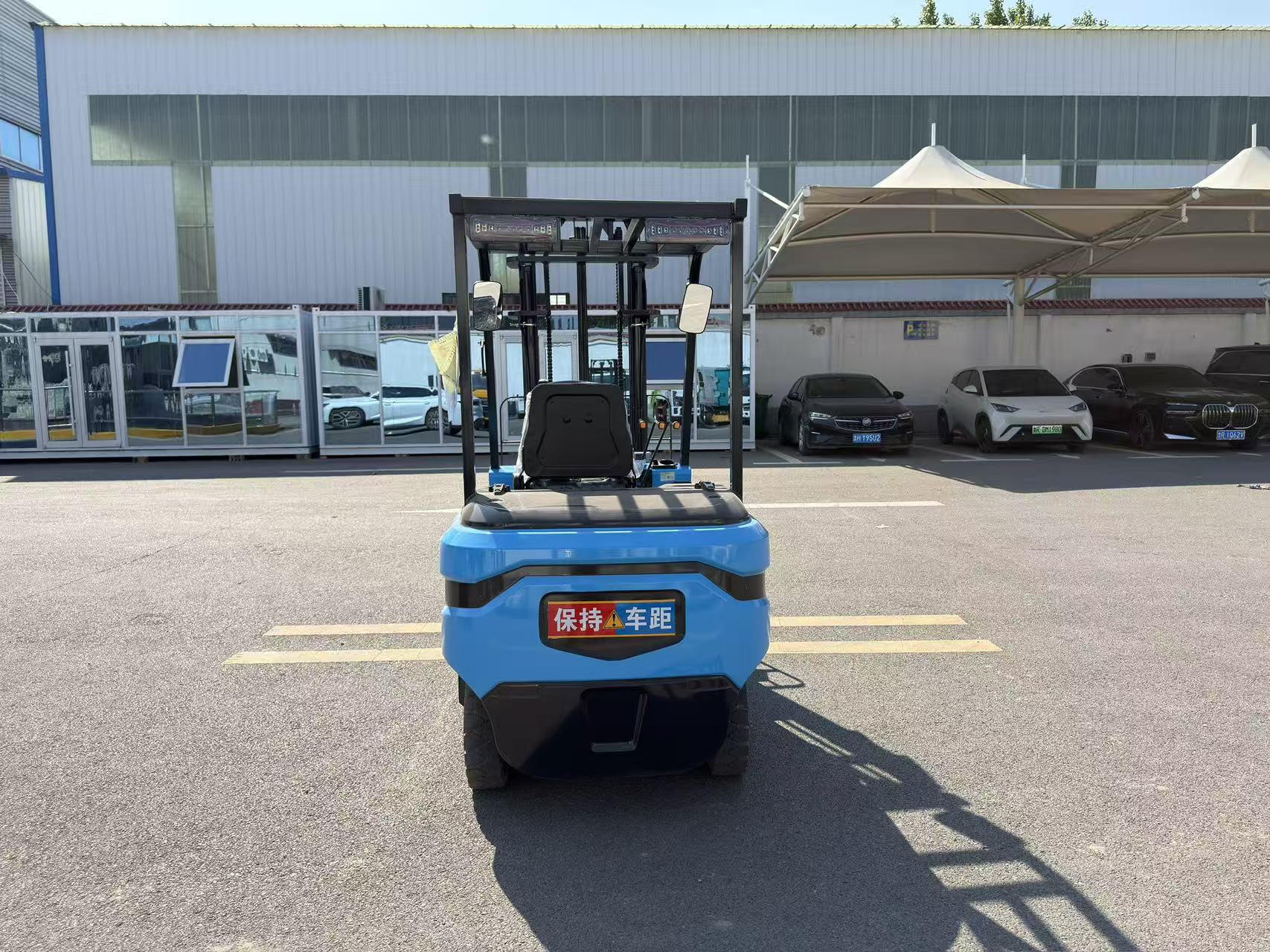
A proper pre-shift inspection takes 8-10 minutes. OSHA’s required checklist includes:
| Check Item | What to Look For |
|---|---|
| Tires/wheels | Cuts, gouges, proper inflation (pneumatic), chunking |
| Forks | Cracks, bending, wear beyond 10% of original thickness |
| Mast & chains | Rust, stretch, kinking, proper lubrication |
| Hydraulic system | Leaks, hose condition, fluid levels |
| Brakes | Parking brake hold, service brake response |
| Steering | Free play, unusual resistance or noise |
| Horn, lights, alarm | All functional, backup alarm audible |
| Battery/engine | Charge level, fluid levels, no corrosion on terminals |
| Safety devices | Seat belt present and functional, overhead guard intact |
| Controls | All levers and pedals return to neutral, no sticking |
If a forklift fails ANY of these checks, it doesn’t move until it’s fixed. Period. I don’t care if there’s a truck waiting at the dock.
Electric Forklifts and Safety: Stuff No One Tells You
Since I sell electric forklifts for a living, let me address the elephant in the room: lithium battery safety.
You’ve probably seen the headlines — lithium batteries catching fire, e-bikes exploding, container ships burning. So naturally, people ask: “Are electric forklifts with lithium batteries safe in my warehouse?”
Short answer: Yes, significantly safer than the lead-acid batteries they replace, and dramatically safer than propane or diesel forklifts when it comes to fire risk.
Here’s why:
Lead-acid batteries generate hydrogen gas during charging. Hydrogen is explosive at concentrations as low as 4%. Every lead-acid forklift charging station needs dedicated ventilation, acid spill containment, eyewash stations, and no-spark electrical fixtures. I’ve seen warehouses where the “charging area” was basically a corner with some extension cords. That’s a bomb waiting for a spark.
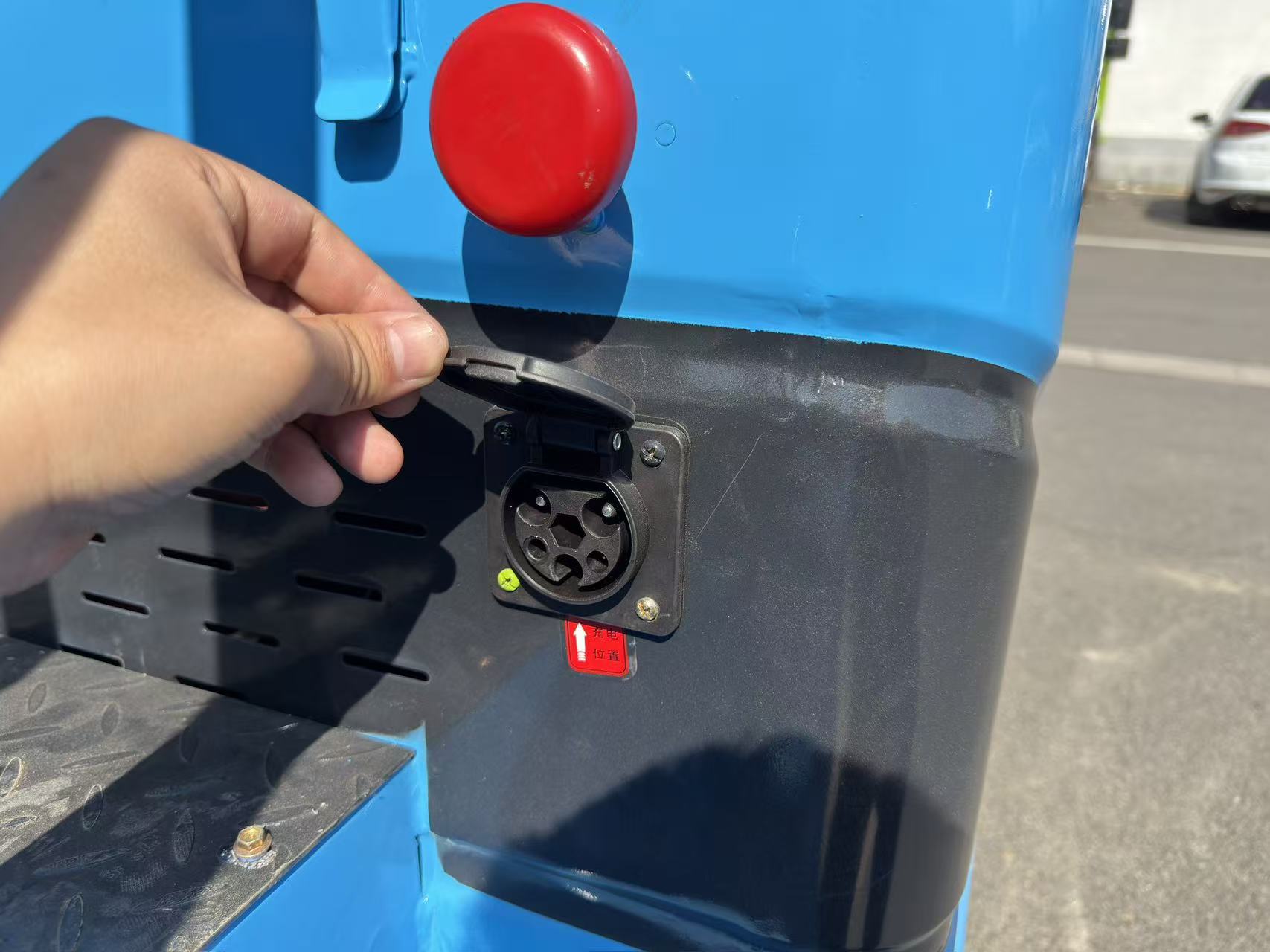
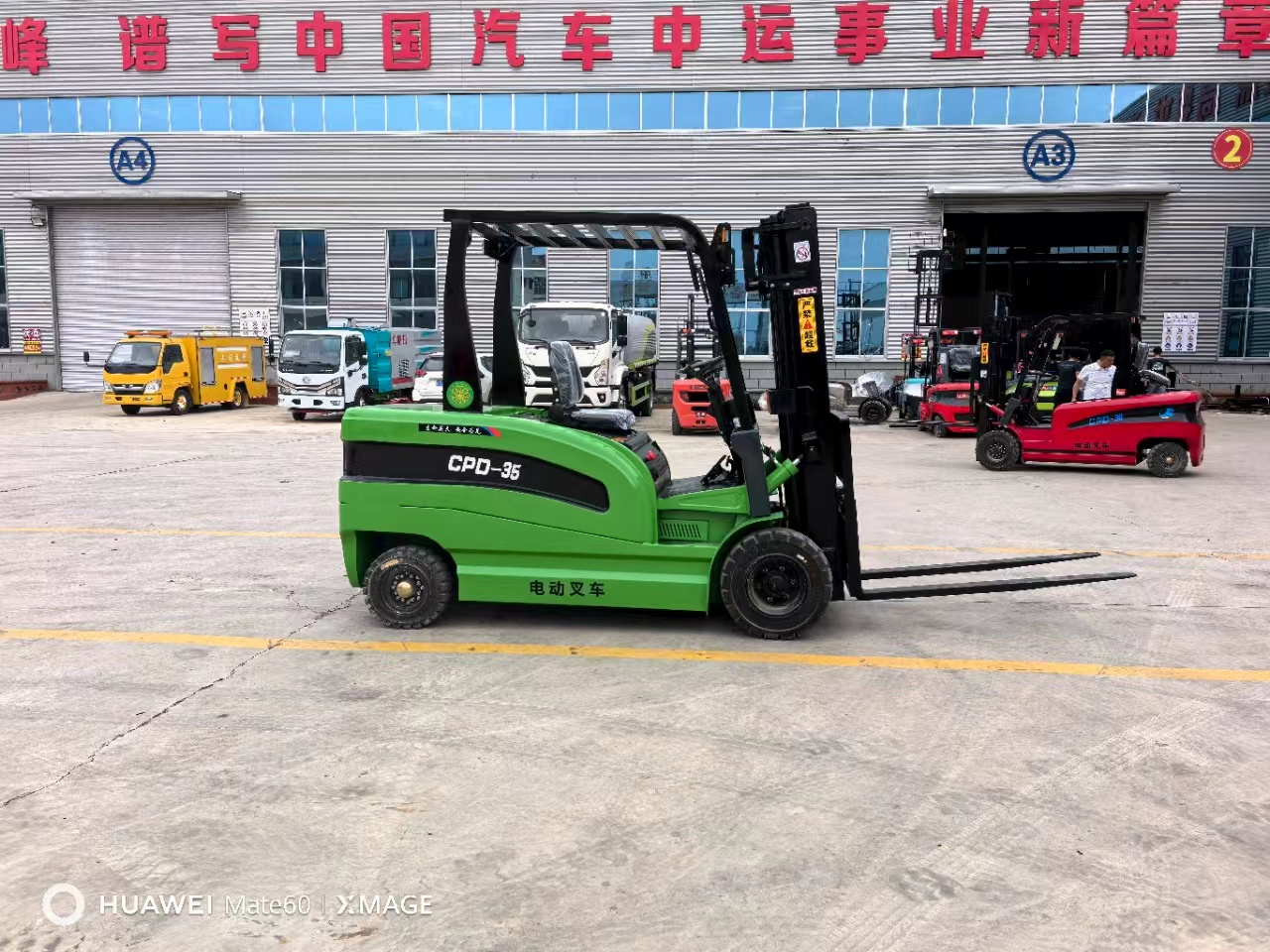
LiFePO₄ (lithium iron phosphate) — the chemistry used in quality electric forklifts like our BaGong units — is fundamentally different from the NMC lithium batteries in phones and laptops. LiFePO₄ doesn’t experience thermal runaway until well above 270°C (518°F). It doesn’t produce oxygen when it decomposes, which means even if something goes catastrophically wrong, it doesn’t feed its own fire. The battery management system (BMS) on modern lithium forklift packs monitors every cell for temperature, voltage, and current draw — and will shut down the pack before anything dangerous can happen.
Compare that to a propane forklift: open flame combustion happening inside your warehouse, carbon monoxide building up, and a pressurized fuel tank that becomes a projectile if the relief valve fails. I’ll take the sealed LiFePO₄ pack every time.
A Practical Safety Checklist for Warehouse Managers
If you take nothing else from this article, take this. Print it. Stick it on your office wall. These aren’t theoretical — they’re the patterns I’ve observed across the safest facilities I’ve worked with:
| # | Action Item | Priority | Frequency |
|---|---|---|---|
| 1 | Walk your warehouse floor at shift change and count every unmarked pedestrian-forklift intersection. Fix them this week. | Critical | Once, then monthly review |
| 2 | Install blue safety spotlights on every forklift that operates in pedestrian-shared zones. Cheapest life insurance you’ll ever buy. | High | One-time install |
| 3 | Audit your pre-shift inspection logs for the last 30 days. If any forklift has zero issues reported, that’s a red flag — either the inspection isn’t being done or it’s pencil-whipped. | High | Monthly |
| 4 | Run an unannounced pedestrian awareness drill — have someone walk through aisles at random times and track whether operators react properly (slow down, horn, eye contact). | Medium | Quarterly |
| 5 | Check every forklift’s speed limiter setting. If any IC unit has it disabled or bypassed, ground that unit immediately and investigate who did it. | Critical | Monthly |
| 6 | Review your forklift fleet age and maintenance history. Units over 8 years old with high hours need accelerated inspection schedules, regardless of what the manual says. | Medium | Quarterly |
| 7 | Create a “near-miss” reporting channel (paper form or simple app) that operators can use anonymously. Review the reports in monthly safety meetings — and never punish self-reporting. | High | Monthly review |
| 8 | If you’re still running lead-acid forklifts, audit your charging area: ventilation, spill containment, eyewash station, fire extinguisher rating. If anything is missing, fix it this week. | Critical | Once, then quarterly check |
| 9 | Test every forklift’s seat belt, backup alarm, horn, and lights. Ground any unit that fails. No exceptions, no “we’ll fix it next shift.” | Critical | Daily (pre-shift) |
| 10 | If you’re evaluating new forklifts, prioritize electric LiFePO₄ units — lower center of gravity, zero emissions, finer low-speed control. The safety case alone often justifies the switch. | Strategic | During procurement cycle |
The Real Cost of Skipping This Stuff
I want to close with something that doesn’t show up on a spreadsheet.
The warehouse manager in Ningbo — the one whose facility had the accident I described at the start — told me something six months later that I’ve never forgotten. He said: “The fine hurt. The insurance hike hurt more. But what keeps me up at night is knowing that if I’d spent $3,000 on floor markings and another $500 on a blue safety light, that guy would have walked home to his family that day.”
He was right. The cost of prevention is a rounding error compared to the cost of regret.
And here’s the uncomfortable truth: if your warehouse hasn’t had an accident in years, that doesn’t mean you’re safe. It might mean you’re due. The warehouses with the best safety records aren’t the ones that got lucky — they’re the ones that obsess over the details long after everyone else stopped caring.
FAQ
Q: How often do forklift operators need to be retrained or recertified?
OSHA requires forklift operator performance evaluations at least once every three years. However, retraining is mandatory whenever an operator is involved in an accident or near-miss, is observed operating unsafely, is assigned to a different type of forklift, or when workplace conditions change. In practice, the safest facilities run short refresher training quarterly and full recertification annually — well above the minimum.
Q: Are electric forklifts safer than diesel or propane forklifts?
Yes, in several measurable ways. Zero exhaust emissions eliminate indoor air quality hazards. Lower center of gravity (especially with LiFePO₄ battery packs) reduces tip-over risk. Instant torque and regenerative braking provide better low-speed control. No flammable fuel storage on-site. The main safety consideration with electric units is proper charging infrastructure and battery management — both of which are well-established technologies at this point.
Q: What’s the number one thing I can do this week to make my warehouse safer?
Go stand in your busiest aisle at 10 AM on a weekday. Watch for 30 minutes. Count every near-miss — a pedestrian who had to step back, a forklift that braked suddenly, a load that wobbled. If you see more than zero, you have work to do. Start with physical separation of pedestrians and forklifts using barriers, not just paint. Then install blue safety spotlights. These two changes alone have transformed safety records at facilities I’ve worked with.
Q: How do LiFePO₄ batteries compare to lead-acid when it comes to fire risk?
LiFePO₄ is significantly safer. It doesn’t off-gas hydrogen during charging (eliminating explosion risk in charging areas), has a thermal runaway threshold above 270°C vs. the much lower thresholds of other lithium chemistries, and doesn’t release oxygen during decomposition, so it doesn’t self-sustain a fire. Modern BMS units continuously monitor every cell and will disconnect the pack before dangerous conditions develop. Lead-acid batteries, by contrast, produce explosive hydrogen gas during every charge cycle and contain corrosive sulfuric acid that requires spill containment.
Q: What’s a realistic budget for safety upgrades on a 5-forklift warehouse?
Basic but effective: $2,000-4,000 covers blue safety spotlights on all units, floor marking paint/epoxy for pedestrian zones, convex mirrors at blind corners, and replacement of any missing/worn safety signage. Mid-range ($5,000-10,000): adds physical barriers (bollards, guardrails) at high-risk intersections, speed zone limiter hardware, and a basic telematics system for impact tracking. Premium ($15,000+): full 360° camera systems, proximity detection, automated pedestrian-forklift separation, and comprehensive telematics with driver behavior analytics. Any of these numbers is a fraction of the cost of one serious accident.
Looking for Reliable, Safe Electric Forklifts?
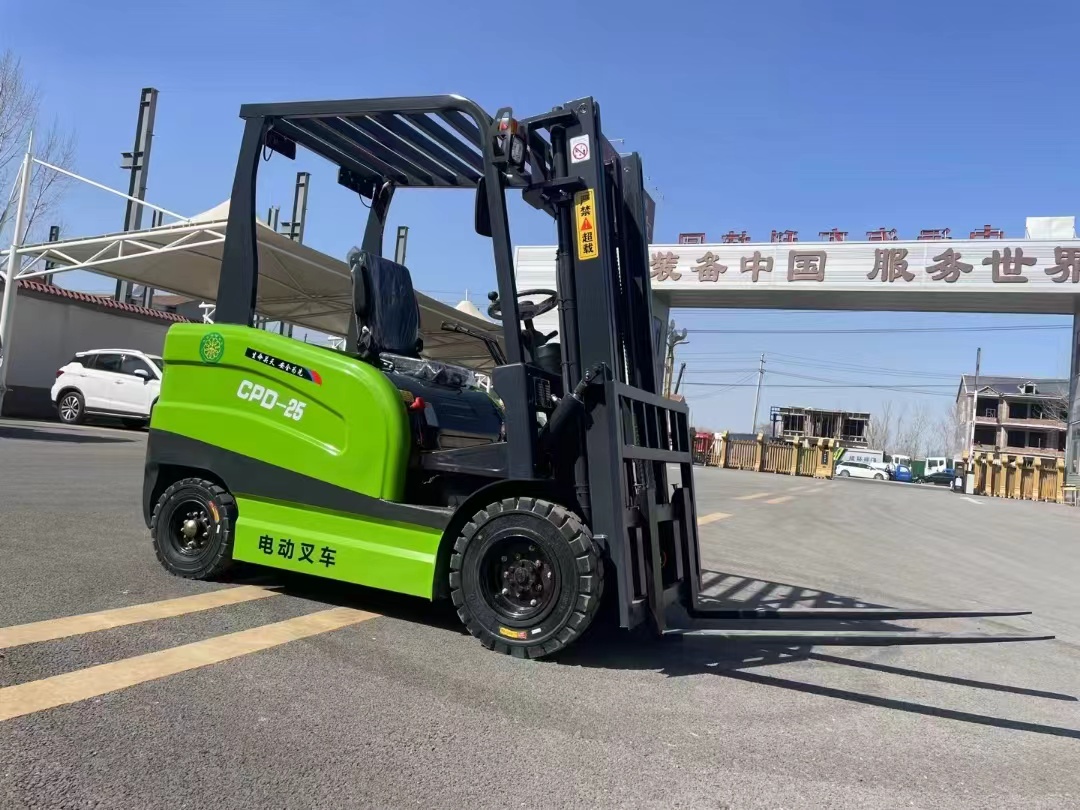
At BaGong Machinery, every unit we ship comes standard with LiFePO₄ battery technology (Chaowei cells), comprehensive BMS protection, blue safety spotlights, and ergonomic operator cabins designed for all-day visibility and comfort. Our electric forklift lineup spans 2-ton to 3.5-ton capacity — ideal for warehouse, logistics, and light manufacturing operations.
- 2-Ton Electric Forklift — From $4,400 (FOB Shanghai)
- 2.5-Ton Electric Forklift — From $5,250 (FOB Shanghai)
- 3-Ton Electric Forklift — From $6,050 (FOB Shanghai)
- 3.5-Ton Electric Forklift — From $7,150 (FOB Shanghai)
Every unit backed by our “Hate AC” philosophy — no more lead-acid maintenance headaches, no more charging room fumes, no more watering batteries. Just plug in, charge, and work.
Contact us today for a quote or to discuss your warehouse’s specific requirements.