

Blog
LiFePO4 Forklift Batteries: Why They’re Becoming the Industry Standard

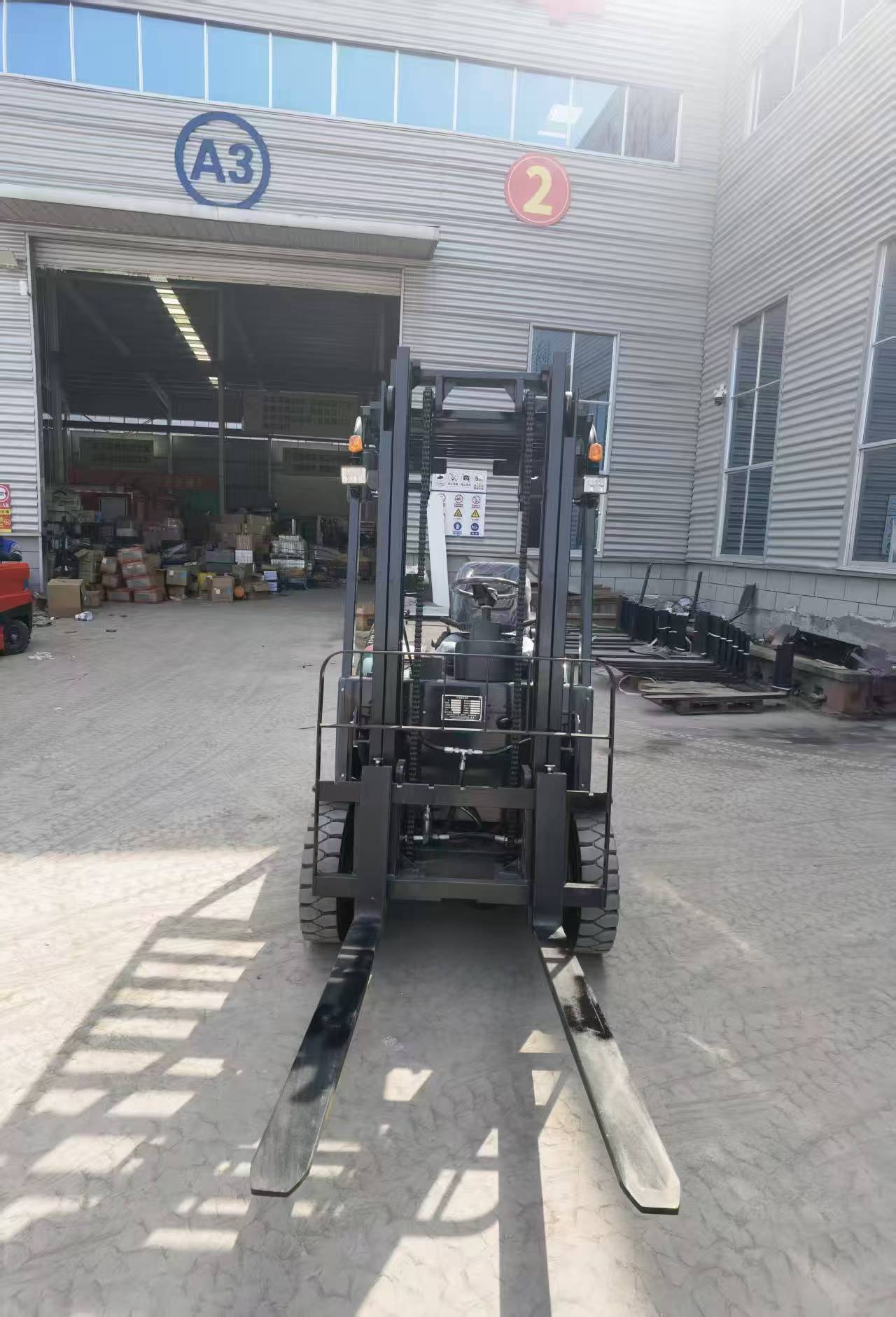
In 2020, lithium forklifts were a novelty — under 10% of new sales. By 2026, that number has passed 35%, and the trajectory points to 60%+ by 2030. The driving force? LiFePO4 (Lithium Iron Phosphate) — a battery chemistry that solves nearly every frustration warehouse operators have with lead-acid.
What Makes LiFePO4 Different
LiFePO4 is not the same as the lithium-ion batteries in your phone or laptop. It uses iron phosphate as the cathode material, which delivers:
| Feature | LiFePO4 | Lead-Acid |
|---|---|---|
| Cycle life | 3,000–5,000 cycles | 1,200–1,500 cycles |
| Charge time | 1–2 hours | 8–10 hours |
| Opportunity charging | ✅ Yes — no memory effect | ❌ No — damages battery |
| Battery room required | ❌ No | ✅ Yes — ventilation needed |
| Maintenance | Zero — sealed unit | Water topping, terminal cleaning |
| Thermal runway risk | Near zero | Low (hydrogen gas risk) |
| Weight (3T forklift) | ~280 kg | ~900 kg |
| Energy efficiency | 95%+ round-trip | 70–80% |
The Safety Advantage (This Matters Most)
Unlike other lithium chemistries (NMC, LCO), LiFePO4 is inherently stable. It does not undergo thermal runaway until temperatures exceed 270°C (518°F) — a threshold that’s practically unreachable in normal forklift operation. No hydrogen gas emission during charging means you can eliminate the dedicated battery room entirely, reclaiming valuable warehouse floor space.
Chaowei and CATL — the battery brands BaGong uses — are industry leaders in LiFePO4 technology, supplying major EV manufacturers worldwide. Explore BaGong 2.5T lithium models →
The Cost Math: Higher Upfront, Lower Lifetime
A LiFePO4 battery adds $1,500–$2,500 to the upfront price of a forklift. But over 5 years of single-shift operation, you save:
- $800–$1,200/year in electricity (vs lead-acid charging losses)
- $500–$800/year in maintenance (zero watering, no acid spills)
- No battery replacement in years 2–3 (lead-acid typically needs replacement)
- No battery room construction/ventilation costs
Bottom line: LiFePO4 pays for itself in 18–24 months. After that, it’s pure savings.
Compatibility Check
LiFePO4 batteries require a compatible charger and BMS (Battery Management System). BaGong forklifts ship with matched lithium chargers and integrated BMS — no retrofitting, no compatibility headaches. The BMS monitors individual cell voltages, temperature, and charge/discharge rates, automatically protecting the battery from deep discharge and overcharging.
Related: Check electric forklift trends 2026 and our 2-ton pricing.
Frequently Asked Questions
Q: How quickly can you ship to my country?
BaGong ships FOB Shanghai worldwide. Container loading takes 7-15 days after order confirmation. Sea freight transit times vary by destination — typically 15-25 days to major ports in Southeast Asia and the Middle East, 25-35 days to Europe and North America.
Q: Do you offer custom configurations?
Yes. Mast height, fork length, battery type (lead-acid or lithium), tire type, and optional attachments can all be customized. Contact us with your specifications.
Q: What’s your MOQ?
We recommend at least 2-4 units per container for cost-effective shipping, but we can discuss single-unit orders with consolidated shipping options.
Q: Can I visit the factory?
Absolutely — we encourage factory visits. See our production line, test your forklifts before shipment, and meet the team. Located near Shanghai for easy access.
Ready to get a quote? Contact BaGong Forklift today with your capacity requirements (2T–3.5T) and we’ll provide a detailed FOB Shanghai quotation within 24 hours. Factory-direct pricing, CE-certified quality, and comprehensive after-sales support.
Great timing on this article. We are upgrading our battery fleet at our distribution center near Vienna. Our supplier has been pushing LiFePO4 hard — the safety advantage alone is worth the premium. No thermal runaway risk means we can charge inside the warehouse without expensive fireproof rooms. One question: how does BaGong handle BMS integration with different charger brands? That has been a pain point for us.