

Blog
Cold Storage Forklift Guide: Electric Forklifts for Freezer & Chiller Operations

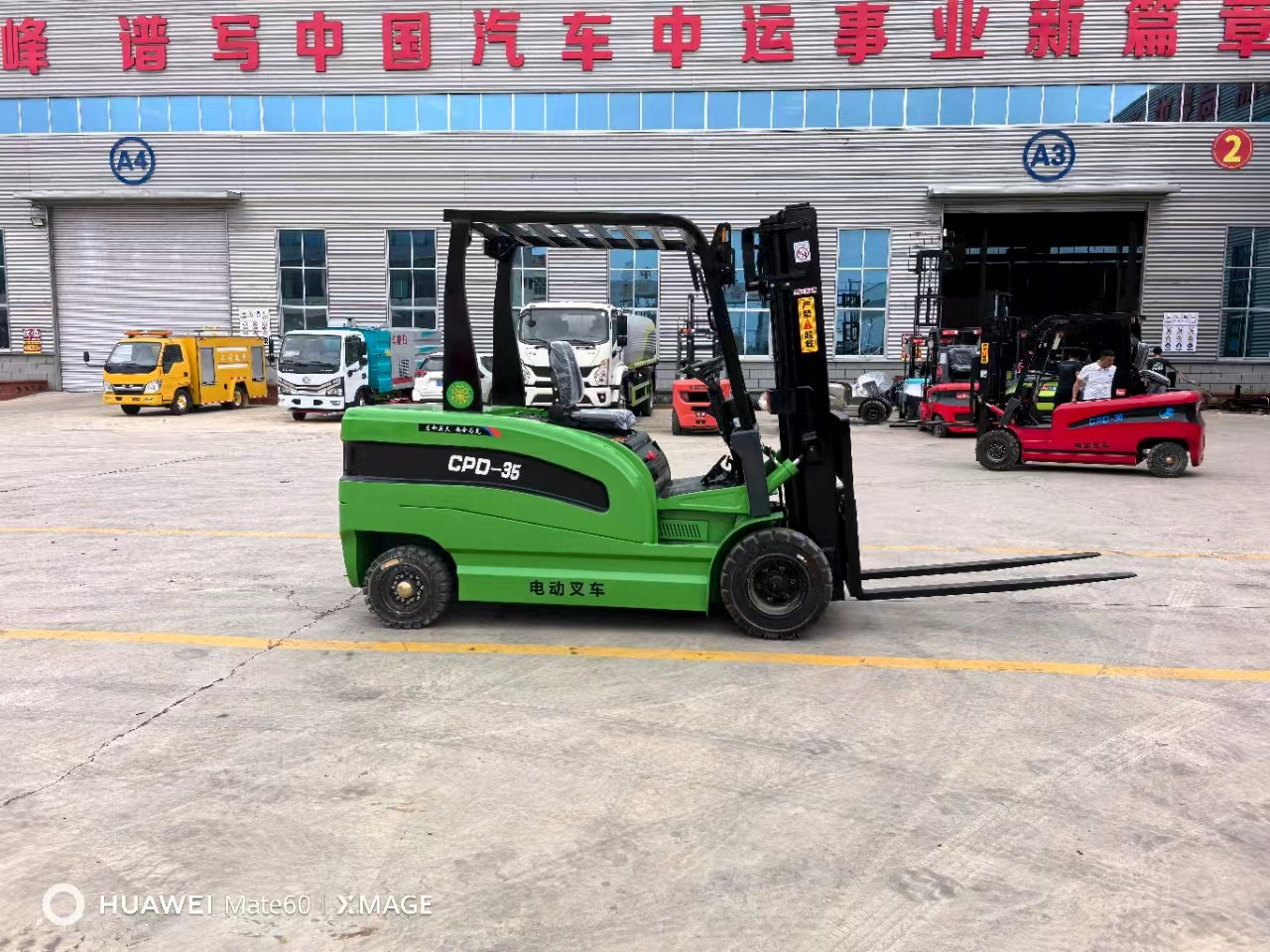
Cold storage is one of the hardest environments on forklifts. At -25°C (-13°F), standard lead-acid batteries lose 30–50% of their capacity. Hydraulic fluid thickens. Seals crack. Steel becomes brittle. If your forklift wasn’t built for the cold, you’ll find out within weeks.
The Problem with Standard Forklifts in Freezers
| Component | Problem at -20°C | Consequence |
|---|---|---|
| Lead-acid battery | Electrolyte thickens, capacity drops 30-50% | Shift ends early, frequent battery swaps |
| Hydraulic oil | Viscosity increases dramatically | Slow lift speeds, pump strain |
| Rubber seals & hoses | Become brittle, lose flexibility | Hydraulic leaks, premature failure |
| LCD/LED displays | Slow response, condensation inside | Unreadable gauges, short circuits |
| Steering system | Grease thickens in bearings | Stiff steering, operator fatigue |
Lithium Batteries: The Game-Changer for Cold Storage
LiFePO4 lithium batteries retain 85–90% of their rated capacity at -20°C, compared to 50–70% for lead-acid. They also charge faster (critical when your forklift exits the freezer into the charging area) and don’t require a heated battery room. Key advantages:
- Self-heating BMS options maintain optimal cell temperature
- No acid spills — critical in food storage environments
- 1-hour opportunity charging between freezer runs
- 3,000+ cycles even with partial charges in cold conditions
BaGong offers cold-storage-ready configurations on all models from 2T to 3.5T. View our 3.5-ton heavy-capacity model →
Essential Cold-Storage Modifications
1. Low-Temperature Hydraulic Oil
Standard ISO 32 hydraulic oil thickens to honey consistency at -20°C. Cold-storage forklifts need ISO 15 or specially formulated low-temp hydraulic fluid rated to -40°C. This is a $150 modification that prevents $3,000 in pump damage.
2. Heated Operator Cabin (Optional)
For warehouses where operators spend extended periods in freezers, a heated cabin with anti-fog glass transforms the working experience. It’s a $1,200–$1,800 addition that dramatically improves operator comfort and productivity.
3. Stainless Steel Components
In food-grade cold storage, stainless steel forks, mast rails, and fasteners prevent rust from condensation — a common issue when forklifts move between freezer (-25°C) and loading dock (+30°C) multiple times per shift.
Cold Storage Maintenance Schedule
- Daily: Check for condensation inside electrical compartments, wipe down forks and mast
- Weekly: Inspect rubber hoses and seals for cracking, grease all fittings with low-temp grease
- Monthly: Full hydraulic system inspection, battery terminal cleaning (corrosion accelerates with condensation)
- Quarterly: Controller diagnostics, motor bearing inspection, structural weld inspection
Related: See warehouse fleet optimization and 3.5-ton forklift specs.
Frequently Asked Questions
Q: How quickly can you ship to my country?
BaGong ships FOB Shanghai worldwide. Container loading takes 7-15 days after order confirmation. Sea freight transit times vary by destination — typically 15-25 days to major ports in Southeast Asia and the Middle East, 25-35 days to Europe and North America.
Q: Do you offer custom configurations?
Yes. Mast height, fork length, battery type (lead-acid or lithium), tire type, and optional attachments can all be customized. Contact us with your specifications.
Q: What’s your MOQ?
We recommend at least 2-4 units per container for cost-effective shipping, but we can discuss single-unit orders with consolidated shipping options.
Q: Can I visit the factory?
Absolutely — we encourage factory visits. See our production line, test your forklifts before shipment, and meet the team. Located near Shanghai for easy access.
Ready to get a quote? Contact BaGong Forklift today with your capacity requirements (2T–3.5T) and we’ll provide a detailed FOB Shanghai quotation within 24 hours. Factory-direct pricing, CE-certified quality, and comprehensive after-sales support.