

Blog
Warehouse Layout Optimization: How to Maximize Space with Electric Forklifts

Introduction
Warehouse space is expensive — typically representing 15–25% of total logistics costs. Whether you’re building a new facility or optimizing an existing one, the right layout combined with efficient material handling equipment can increase storage capacity by 30–50% without expanding your footprint.
This guide covers warehouse layout best practices, aisle width calculations, racking configurations, and how choosing the right electric forklift impacts your overall warehouse efficiency.
1. Warehouse Layout Fundamentals
The Golden Rules
- Minimize travel distance: Place high-turnover items closest to shipping/receiving
- Optimize vertical space: Use high-bay racking with appropriate forklift mast height
- Separate workflows: Keep receiving, storage, picking, and shipping zones distinct
- Plan for growth: Design with 15–20% future expansion capacity
2. Aisle Width Planning
Aisle width is one of the most critical decisions in warehouse design. Narrower aisles mean more storage space, but require more maneuverable forklifts:
| Aisle Type | Width | Forklift Required | Space Savings |
|---|---|---|---|
| Conventional | 3.5–4.5m | Standard counterbalance | Baseline |
| Narrow aisle (VNA) | 2.0–2.5m | Reach truck / VNA forklift | Up to 40% |
| Very narrow aisle | 1.5–2.0m | Turret / wire-guided | Up to 60% |
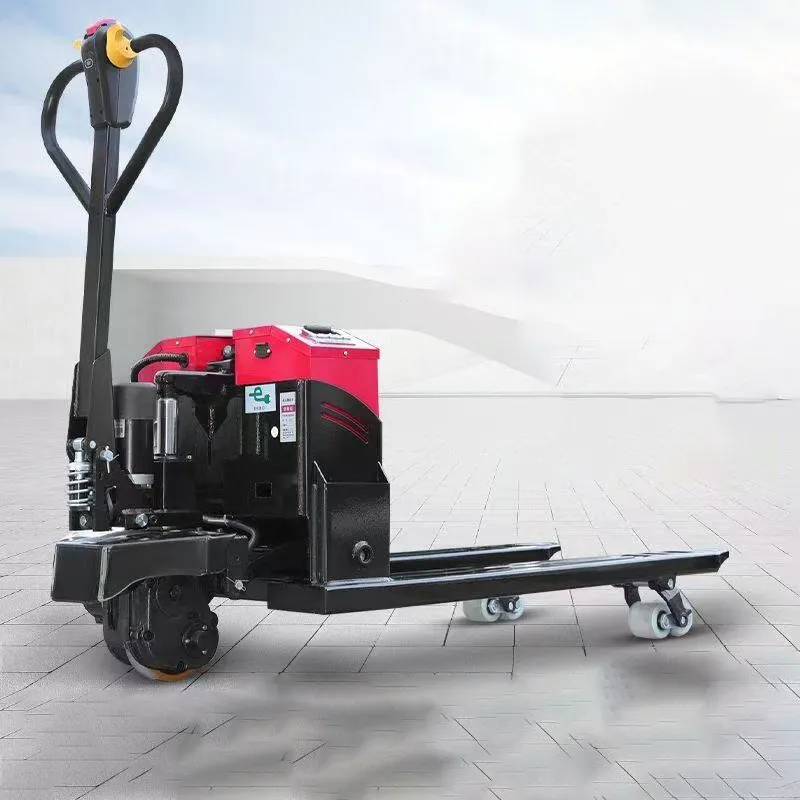
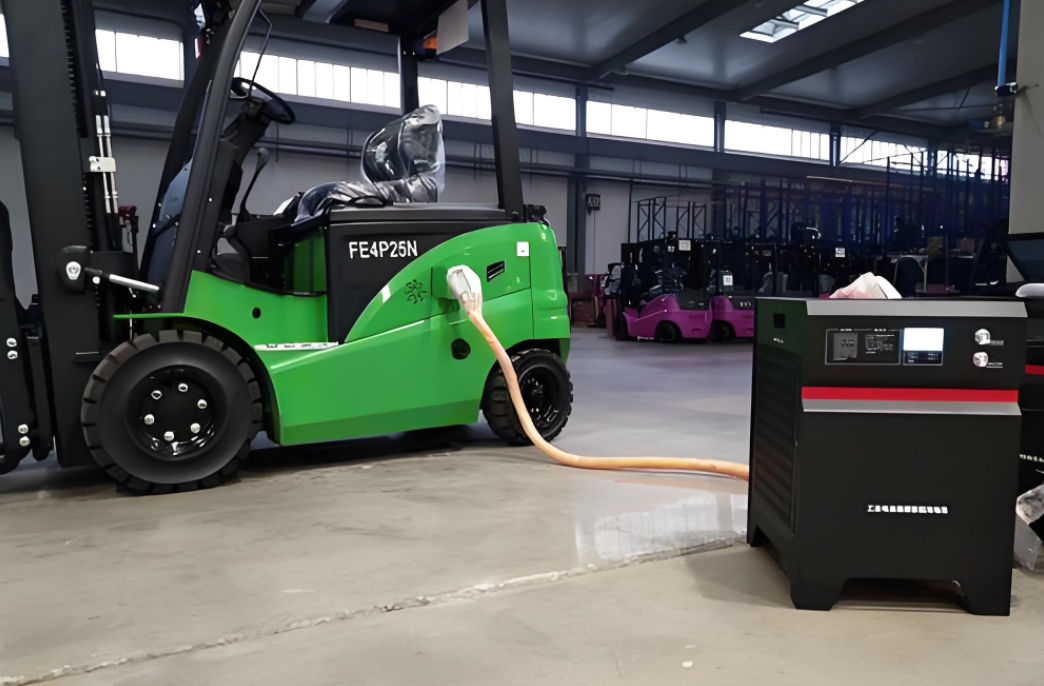
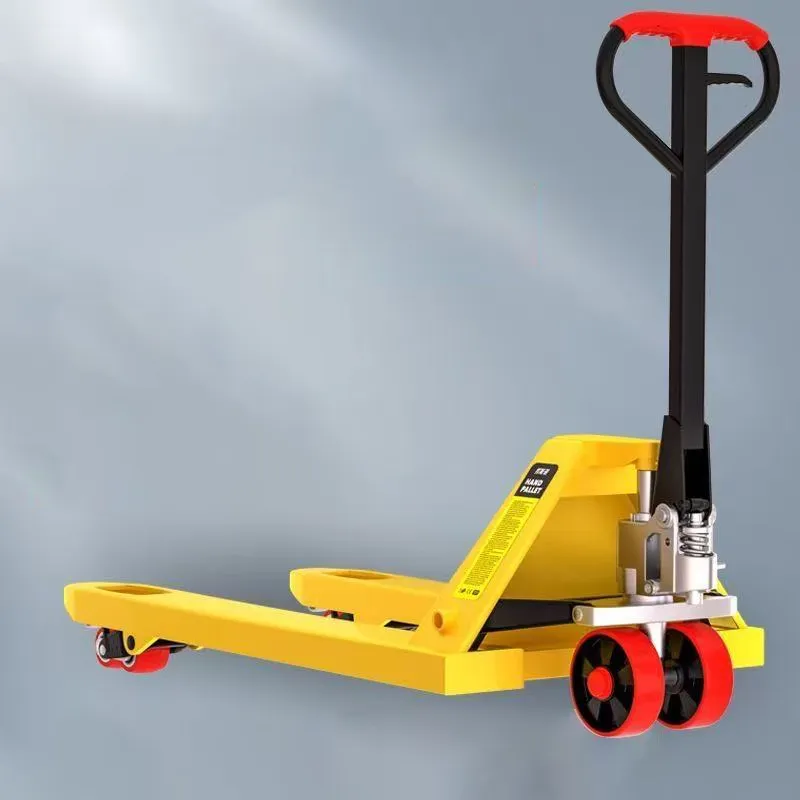
For most operations, BaGong 3-ton electric counterbalance forklifts work well in conventional aisles, while our electric pallet jacks excel in tighter spaces.
3. Racking Systems
- Selective pallet racking: Most common, 100% pallet accessibility
- Drive-in/drive-through racking: High density for same-SKU storage, LIFO access
- Push-back racking: 2–4 pallets deep, good density and selectivity
- Cantilever racking: For long items like steel, lumber, and piping
4. Forklift Selection by Layout
Your warehouse layout directly determines the best forklift type. Read our full selection guide →
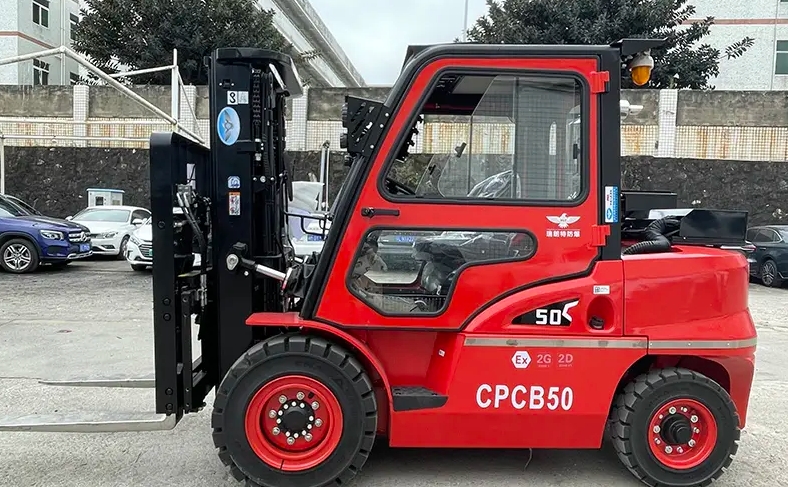
- Wide aisles (4m+): Standard 2-ton counterbalance — versatile and cost-effective
- Medium aisles (3–4m): 3-wheel electric forklift — tighter turning radius
- Narrow aisles (2–3m): Reach truck or powered pallet jack
- Loading docks: Heavy-duty 3.5–5 ton forklift with pneumatic tires
5. Efficiency Metrics to Track
- Picks per hour: Target 60–100 for manual picking
- Travel time ratio: Ideally under 40% of total shift time
- Storage utilization: Aim for 85–90% of rated capacity
- Forklift utilization: Target 70–80% active use per shift
BaGong lithium-ion forklifts support opportunity charging, keeping utilization high by eliminating battery change-out downtime.
6. Safety Considerations in Layout Planning
- Pedestrian walkways should be clearly marked and separated from forklift traffic
- Install convex mirrors at blind intersections
- Ensure adequate lighting (minimum 30 foot-candles in aisles)
- Maintain clear sight lines at intersections
- Read our full forklift safety guide →
Conclusion
Optimizing your warehouse layout requires balancing storage density against operational efficiency. The right electric forklift for each zone can dramatically improve both. Contact BaGong Forklift for a free consultation on equipment selection for your specific warehouse layout.
We’re expanding our warehouse in Sao Paulo and this article came at the right time. The aisle width table is really useful. Our current layout uses 4m aisles but after reading this I’m considering narrowing them to 3.5m to get extra racking space. Our 2-ton BaGongs should handle that fine.