

Blog
Lithium-Ion vs Lead-Acid Forklift Batteries: The Complete Comparison for 2025

Introduction
When choosing an electric forklift, one of the most critical decisions you’ll face is selecting the right battery technology. For decades, lead-acid batteries were the industry standard, but lithium-ion (LiFePO4) forklift batteries have rapidly gained market share due to their superior performance and lower total cost of ownership.
In this comprehensive guide, we compare lithium-ion vs lead-acid forklift batteries across every important metric — helping Chinese and international buyers make an informed investment decision.
Quick Comparison Table
| Feature | Lithium-Ion (LiFePO4) | Lead-Acid |
|---|---|---|
| Lifespan | 3,000–5,000 cycles | 1,000–1,500 cycles |
| Charging Time | 1–2 hours (fast charge) | 8–10 hours + cooling |
| Maintenance | Zero maintenance | Water refilling required |
| Weight | Lighter (30-50% lighter) | Heavy (acts as counterweight) |
| Energy Efficiency | 95%+ efficiency | 70–80% efficiency |
| Upfront Cost | Higher ($1,500–$3,000 more) | Familiar budget option |
| 5-Year TCO | 30–40% lower | Higher due to replacement + labor |
| Safety | Built-in BMS, no gas emission | Hydrogen gas, acid spill risk |
1. Cycle Life & Longevity
The single biggest advantage of lithium-ion forklift batteries is their cycle life. A quality LiFePO4 battery delivers 3,000 to 5,000 charge cycles, compared to just 1,000–1,500 for traditional lead-acid. In practical terms:
- Lithium: 8–10 years of service life under normal operation
- Lead-acid: 3–5 years before replacement is needed
This means over a decade, you’ll replace a lead-acid battery 2–3 times, while a lithium battery may serve you for the entire period.
2. Charging Speed & Opportunity Charging
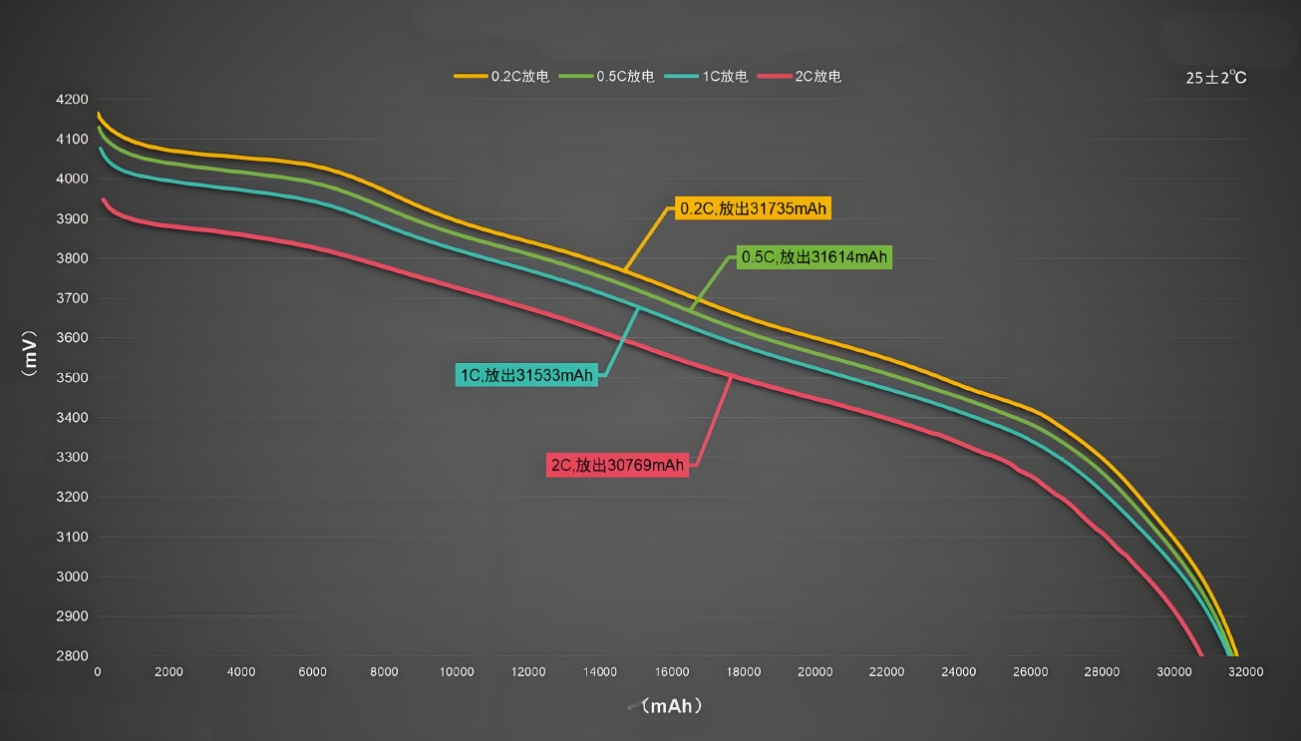
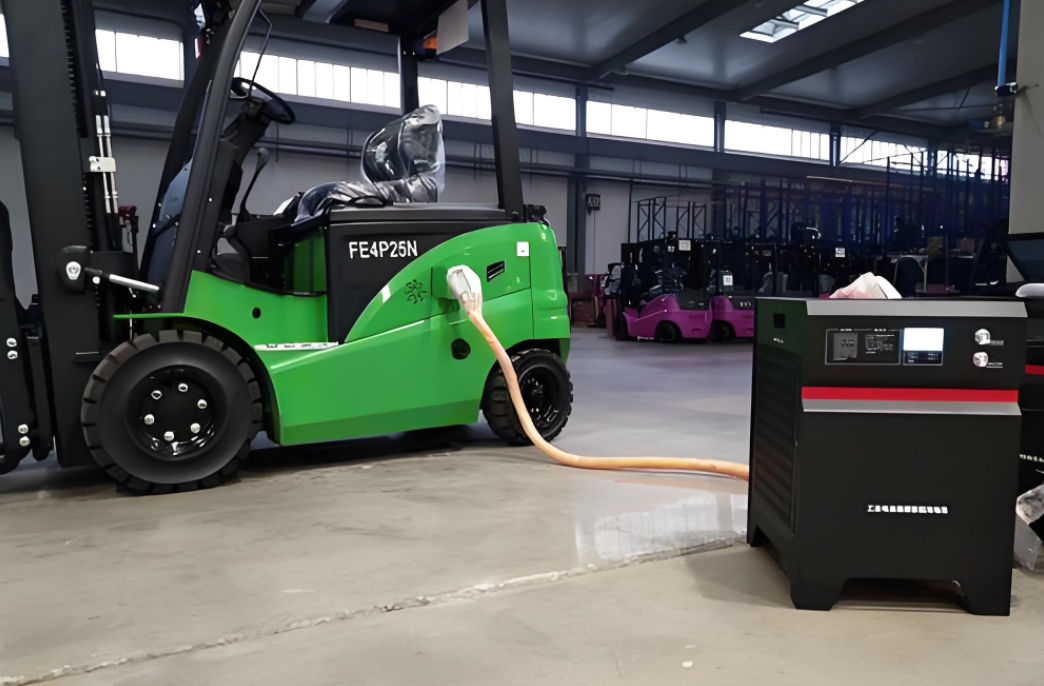
Lithium-ion batteries support opportunity charging — you can top up during lunch breaks or shift changes without damaging the battery. A full charge takes just 1–2 hours.
Lead-acid batteries, by contrast, require a full 8–10 hour charge cycle plus a mandatory cooling period (equal charge time), meaning they cannot be opportunity-charged without significantly reducing lifespan.
Result: Lithium-powered forklifts achieve higher uptime and can operate across multiple shifts with fewer battery change-outs.
3. Total Cost of Ownership (TCO) Analysis
While the upfront cost of a lithium forklift battery is higher (typically $1,500–$3,000 more per battery), the long-term savings are substantial:
| Cost Factor | Lithium-Ion | Lead-Acid |
|---|---|---|
| Initial purchase | $6,000–$8,000 | $3,500–$5,000 |
| Battery replacements (10 yrs) | 0 replacements | 2–3 replacements |
| Maintenance labor (10 yrs) | $0 | $1,500–$3,000 |
| Water refilling | $0 | $500–$1,000 |
| Energy cost (10 yrs) | $3,500 | $5,500 |
| Total 10-year cost | $9,500–$11,500 | $13,000–$18,000 |
On average, lithium saves 30–40% in total ownership costs over a decade — a compelling ROI for warehouse and logistics operators.
4. Maintenance & Daily Operations
Lithium-Ion (BaGong Forklift Standard)
- No water refilling needed
- No acid spills or terminal corrosion
- No equalization charges required
- Built-in Battery Management System (BMS) monitors temperature, voltage, and health
- Plug-and-charge simplicity
Lead-Acid
- Weekly water refilling (demineralized water)
- Monthly equalization charging
- Terminal cleaning and corrosion prevention
- Dedicated charging room ventilation required (hydrogen gas)
- Battery washing and neutralization of acid spills
For businesses with large fleets, the labor savings alone from switching to lithium can justify the investment.
5. Safety & Environmental Impact
Lithium (LiFePO4) is the safest lithium chemistry — it’s thermal runaway resistant, non-toxic, and produces zero emissions during operation. The built-in BMS provides overcharge, over-discharge, and short-circuit protection.
Lead-acid batteries contain sulfuric acid and lead — both hazardous materials requiring proper disposal. They also emit hydrogen gas during charging, necessitating ventilation.
From an environmental standpoint, lithium batteries are also more recyclable and have a smaller carbon footprint over their lifecycle.
6. Which Battery Is Right for Your Forklift?
Choose Lithium-Ion If:
- You run multi-shift operations (need opportunity charging)
- You want zero maintenance and lower labor costs
- You plan to keep the forklift for more than 5 years
- You have limited space for a charging room
- You value energy efficiency and sustainability
Stick with Lead-Acid If:
- You have a very tight upfront budget
- You only use the forklift for a single shift
- You already have a dedicated charging infrastructure
- You need the battery weight as counterbalance (some 3-wheel models)
- Your usage is very light (under 2 hours per day)
BaGong Forklift Battery Options
At BaGong Forklift, we offer both lead-acid and lithium-ion options across our entire electric forklift range (2-ton to 4-ton):
- Standard: Lead-acid battery (60V, Chaowei brand)
- Premium: Lithium LiFePO4 battery (options from Zhonghang Lithium, Zefeng, and Shengkang)
Our LiFePO4 batteries are paired with Hate permanent magnet synchronous AC motors and intelligent controllers for maximum efficiency.
👉 View our 2-ton electric forklift with lithium option
👉 View our 3-ton electric forklift with lithium option
Frequently Asked Questions
Q: Can I retrofit my existing lead-acid forklift with a lithium battery?
A: In many cases, yes. However, you need to ensure the battery compartment dimensions match and the charger is compatible. Contact our sales team for a retrofit assessment.
Q: How long does a lithium forklift battery last per charge?
A: A fully charged BaGong lithium battery provides 6–8 hours of continuous operation in standard warehouse conditions.
Q: Is lithium battery worth it for small warehouses?
A: Yes — the maintenance-free aspect alone saves significant time. The payback period is typically 2–3 years.
Q: What warranty do BaGong lithium batteries come with?
A: We offer a standard 5-year warranty on our LiFePO4 battery packs, compared to 1–2 years for lead-acid.
BaGong Machinery is a leading China-based electric forklift manufacturer offering both lead-acid and lithium battery configurations. Contact us for a quote or technical consultation.
Good comparison. We switched our fleet to lithium about 18 months ago and the savings on maintenance alone have been significant. No more watering batteries or cleaning acid off the floor. The upfront cost stung a bit but looking back it was worth every penny. One thing I’d add — the opportunity charging feature is a game changer for multi-shift operations.
This is helpful. I’m looking at importing lithium forklifts for our logistics company in Lagos. The 10 year TCO comparison really puts things in perspective. Quick question — how does the BaGong lithium battery handle in high humidity environments? We get 80%+ humidity most of the year.
Solid write-up. We tested both chemistries in our warehouse near Munich. The LiFePO4 held up well even during winter months when temps dropped below freezing. Charging efficiency did drop about 15% at -5°C but still way better than lead-acid which was practically unusable.