

Blog
Electric Forklift Market 2026: Growth, Green Mandates & What’s Changing

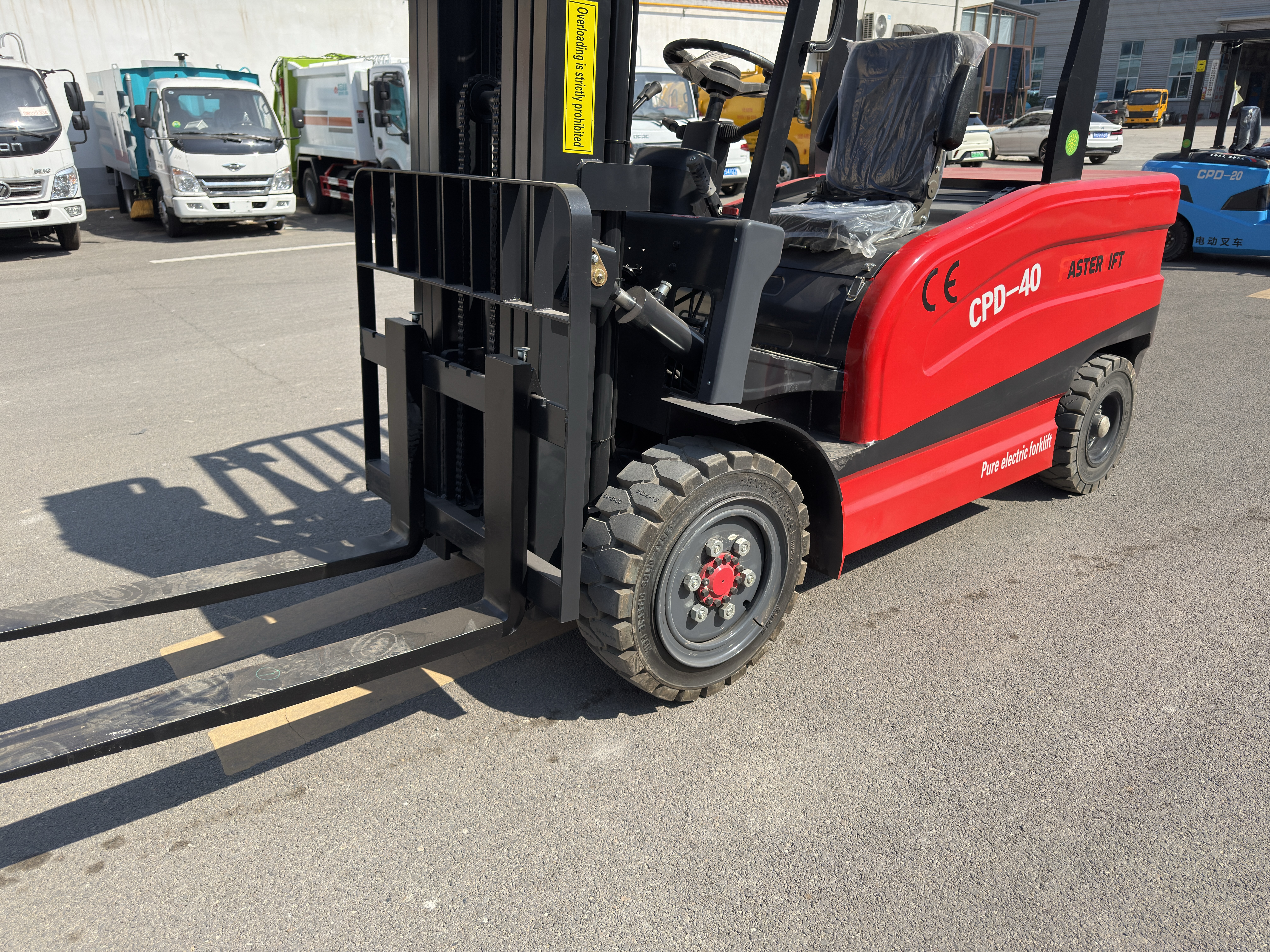
The electric forklift market is not just growing — it’s transforming. According to industry analysts, the global market is projected to grow at 12–14% CAGR through 2030, driven by three powerful forces: environmental regulation, lithium battery technology, and e-commerce warehouse demand.
Green Regulations Are Reshaping the Market
California’s Advanced Clean Fleet regulation now mandates that all new forklifts under 12,000 lbs sold after 2026 must be zero-emission. The EU’s Stage V emission standards are pushing warehouses toward electric. Even in developing markets, indoor air quality regulations are making diesel forklifts increasingly impractical.
The result? Electric forklifts now account for over 65% of new forklift sales globally — up from 45% just five years ago. Companies that don’t transition risk being unable to sell in regulated markets.
Lithium Adoption Rate Is Accelerating
In 2020, lithium forklifts were under 10% of new electric sales. By 2025, that number exceeded 35%. The trend is clear: lithium is becoming the standard, not the premium option. Key drivers:
- Lithium battery prices have dropped 40% since 2020
- Opportunity charging eliminates the need for battery rooms
- BaGong’s CATL/BYD lithium options deliver 3,000+ charge cycles
E-Commerce Warehouses: The Hidden Growth Engine
The explosion of e-commerce has created massive demand for electric forklifts. Amazon alone operates over 100,000 forklifts across its fulfillment network. Third-party logistics (3PL) providers are the fastest-growing buyer segment, looking for reliable, cost-effective equipment — exactly where Chinese manufacturers like BaGong excel. Explore our 3-ton electric forklift →
What This Means for Buyers
- Prices are stabilizing: As production scales, electric forklift prices are becoming more competitive
- Technology is improving fast: Permanent magnet motors, regenerative braking, and smart BMS are now standard
- Chinese manufacturers are gaining market share: Quality has caught up, prices remain 30–50% lower than Western brands
- Supply chain resilience matters: BaGong’s integrated supply chain means shorter lead times than most competitors
The window for getting the best value is now — before tariffs or supply constraints shift pricing further.