

Blog
Multi-Shift Forklift Operations: How to Run 24/7 Without Burning Out Equipment

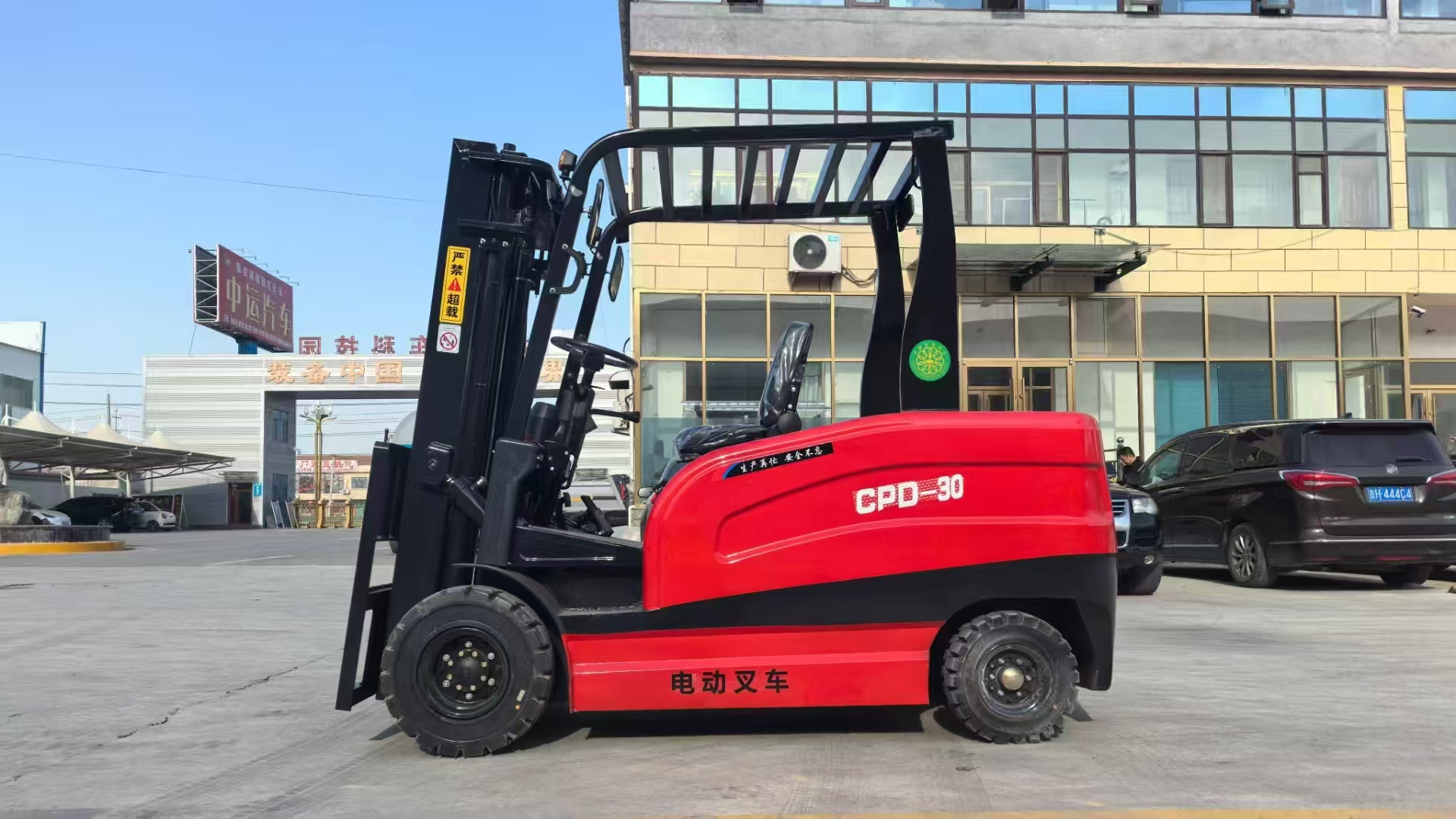
When your warehouse runs two or three shifts, your forklifts don’t get a break — and neither does your maintenance budget if you’re not careful. Multi-shift operations multiply wear and tear. Here’s how to manage an electric forklift fleet that works as hard as you do.
The Multi-Shift Challenge
A single-shift forklift operates 8 hours with 8–16 hours of downtime for charging and cooling. In a three-shift operation, that downtime disappears. Without proper strategy, you’ll face:
- Batteries dying mid-shift (production stops)
- Premature battery failure (replacing $2,000+ batteries too often)
- Overheated motors and controllers
- Operators rushing pre-shift inspections
Solution 1: Lithium Batteries for Multi-Shift
This is the single biggest upgrade for multi-shift operations. Lithium batteries charge in 1–2 hours (vs 8+ for lead-acid) and support opportunity charging during lunch breaks and shift changes. No battery swapping, no cooling period, no dedicated battery room.
BaGong offers LiFePO4 lithium batteries on all models from 2T to 3.5T. The upfront cost is higher, but the ROI in 24/7 operations is typically under 18 months. View our 3.5-ton lithium model →
Solution 2: Battery Rotation System (Lead-Acid)
If you’re using lead-acid batteries, you need at least 2 batteries per forklift for two-shift operations and 3 batteries for three-shift. Rotate on a strict schedule:
| Shift | Battery A | Battery B | Battery C |
|---|---|---|---|
| 1st (06:00-14:00) | In use | Charging | Cooling/Ready |
| 2nd (14:00-22:00) | Charging | In use | Cooling/Ready |
| 3rd (22:00-06:00) | Cooling | Charging | In use |
Solution 3: Staggered Charging Schedule
Don’t charge all forklifts simultaneously — the power draw can trip breakers and spike your electricity bill. Stagger charging across shifts so no more than 50% of your fleet is charging at once.
Preventive Maintenance for Multi-Shift Fleets
- Pre-shift checklist (every 8 hours): Tires, forks, chain tension, hydraulic fluid, horn, lights
- Weekly: Battery water levels (lead-acid), clean terminals, check for corrosion
- Monthly: Full inspection — mast, brakes, steering, electrical connections
- Quarterly: Oil change (hydraulic), controller diagnostics, motor brush inspection