

Blog
Forklift Tire Guide: Solid vs Pneumatic, Wear Patterns & Replacement Timing

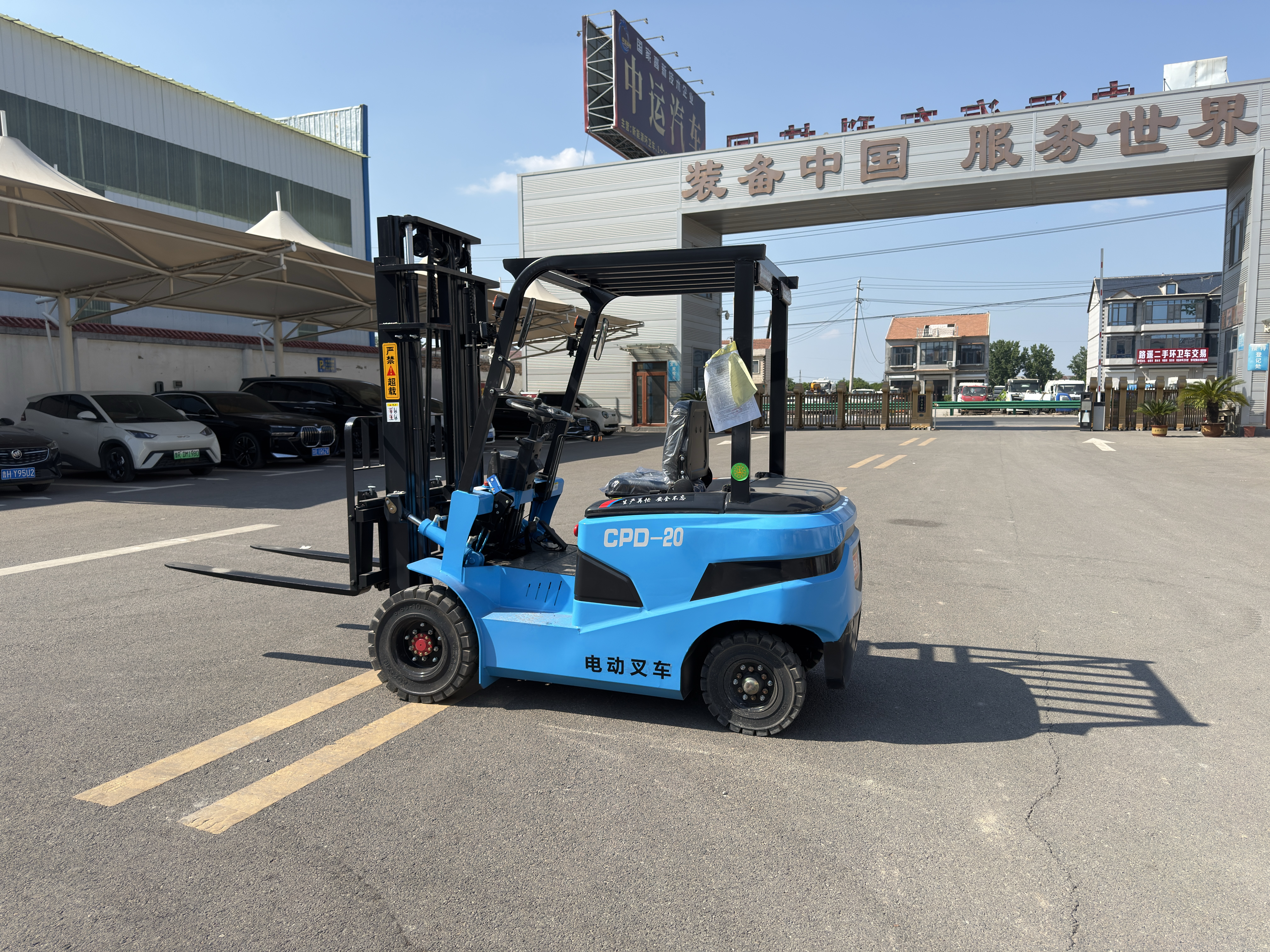
Forklift tires are the most overlooked maintenance item in most warehouses — until they cause an accident or shutdown. Worn tires affect stability, increase energy consumption, and can damage floors. Here’s what every operator and warehouse manager needs to know.
Solid Tires vs Pneumatic Tires: Which to Choose?
| Feature | Solid Tires | Pneumatic Tires |
|---|---|---|
| Best for | Indoor warehouses, smooth floors | Outdoor, rough terrain, construction |
| Puncture risk | Zero — no air inside | Moderate to high |
| Comfort | Firmer ride | Softer, more shock absorption |
| Lifespan | 2–3× longer | Shorter, depends on terrain |
| Cost | Higher upfront, lower long-term | Lower upfront, more replacements |
| Floor protection | Can mark floors if low-quality | Gentler on surfaces |
For most indoor electric forklift applications, solid tires are the better choice — zero flats, longer life, and no downtime for inflation checks. BaGong electric forklifts come standard with high-quality solid tires suitable for warehouse floors. See our 2.5-ton models →
5 Tire Wear Patterns That Signal Trouble
- Flat spots: Caused by hard braking or spinning wheels — indicates operator training issues
- Chunking: Pieces breaking off — usually from sharp debris or chemical exposure
- Uneven wear (one side): Misaligned axle or worn steering components
- Excessive shoulder wear: Overloading or improper tire type for the application
- Cracking between treads: Age-related rubber degradation — replace immediately
When to Replace: The 1-Inch Rule
According to OSHA guidelines, solid tires should be replaced when the tread depth drops below the wear line indicator — typically when 1 inch (25mm) of rubber remains above the steel band. Operating below this limit risks rim damage and sudden failure.
Pro Tip: Tire Rotation
Front tires on forklifts wear 2–3× faster than rear tires because they bear more weight during lifting. Rotate front and rear tires every 1,000–1,500 operating hours to extend total tire life by up to 40%.