

Blog
Daily Forklift Safety Inspection Checklist: OSHA Compliance Guide

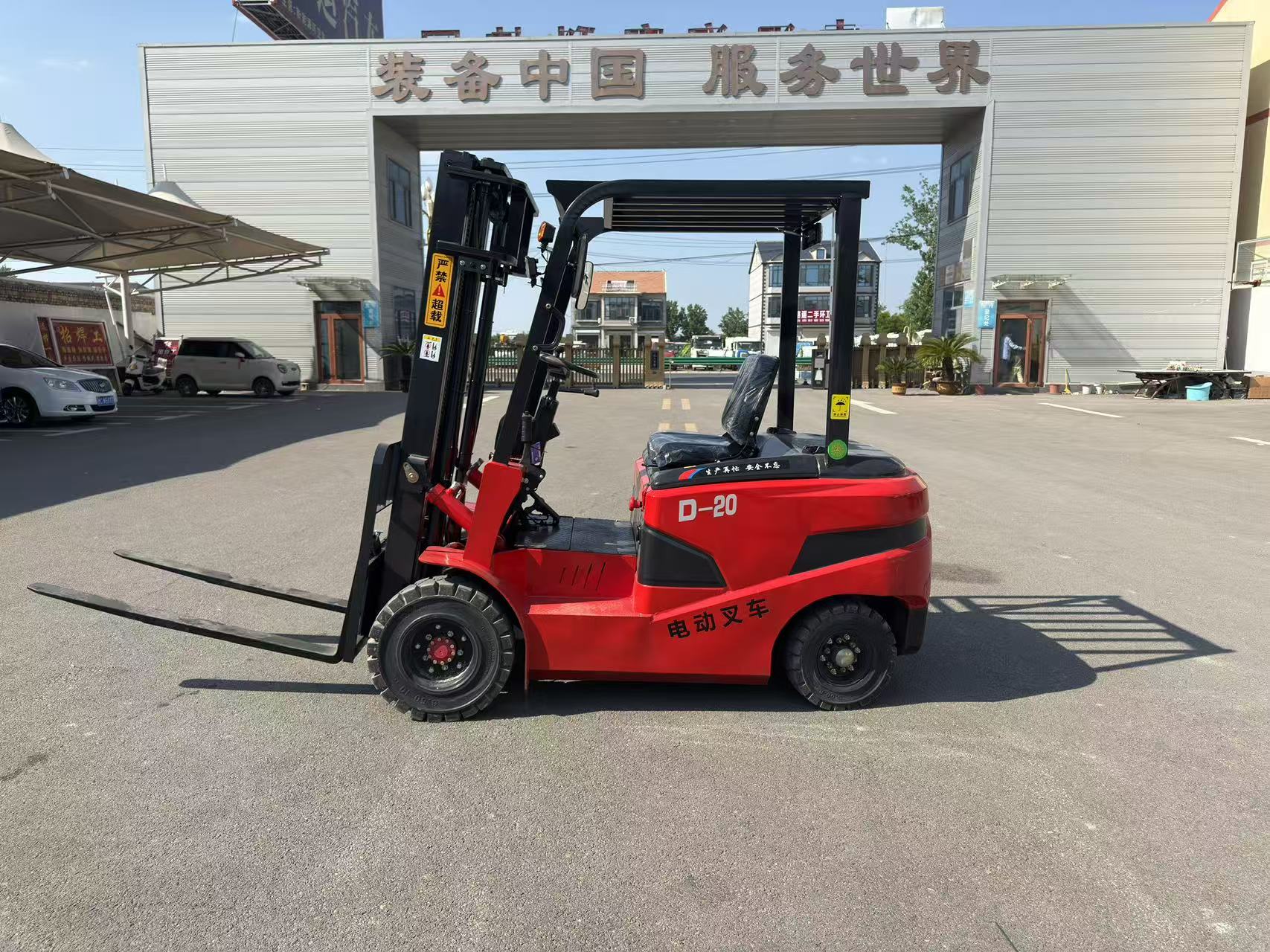
An OSHA inspector walks into your warehouse and asks for yesterday’s forklift inspection records. Your operator shrugs and points to a clipboard with three checkmarks and no date. That’s a $15,625 citation waiting to happen — and worse, it means nobody actually checked whether the brakes work today.
The 10-Point Pre-Shift Inspection That Takes 5 Minutes
OSHA 1910.178(q)(7) requires a documented pre-shift inspection of every forklift. Here’s the checklist your operators should complete before turning the key:
1. Tires: Check pressure (pneumatic) or wear line (solid). Look for chunking, embedded debris, or sidewall cracks.
2. Forks: Check heel cracks (use a flashlight), verify fork latch pins are engaged, check for bend or twist.
3. Mast & chains: Look for cracked chain links, uneven tension, and smooth lift/lower operation without jerking.
4. Hydraulics: Check all cylinders for weeping seals, check hoses for abrasion, verify no puddles under the truck.
5. Battery: Check state of charge, check water levels (lead-acid only), verify connector is clean and tight.
6. Controls: Test all pedals, levers, and the horn. Verify the seat safety switch kills traction when disengaged.
7. Brakes: Test service brake (should stop within 2 truck lengths at walking speed) and parking brake (holds on a ramp).
8. Safety devices: Blue spotlight, backup alarm, strobe light, mirrors — all functional.
9. Overhead guard: Check for bent bars or weld cracks. Any structural damage = out of service.
10. Data plate: Must be legible. If it’s worn blank, the forklift is technically out of compliance.
Digital Inspection: Ditch the Clipboard
Paper checklists have a 40-60% falsification rate in warehouses. Operators pencil-whip them because they’re busy. Digital inspection apps (many under $20/month per forklift) solve this by requiring photo evidence, GPS-tagging the inspection location, and flagging overdue inspections to the safety manager automatically.
BaGong’s CAN-bus system can be integrated with fleet management software to auto-populate hours, fault codes, and battery health into the inspection record — turning a 5-minute manual check into a 2-minute verification.
FAQ
Q: What happens if an operator finds a defect during inspection?
A: Tag the forklift out of service (red tag on steering wheel), report to supervisor immediately, and do NOT operate until repaired. Operating a known-defective forklift is an OSHA willful violation.
Q: How long should inspection records be kept?
A: OSHA requires 3 months minimum. Best practice is 12+ months — it demonstrates a pattern of compliance if an incident occurs.
Start every shift safe. BaGong electric forklifts include comprehensive inspection decals and CAN-bus diagnostic support. 2-Ton Safety-Ready | 3-Ton with Full Safety Package | Download Inspection Checklist PDF →