

Blog
Maximizing Forklift Fleet Utilization: 5 Strategies for Warehouse Managers

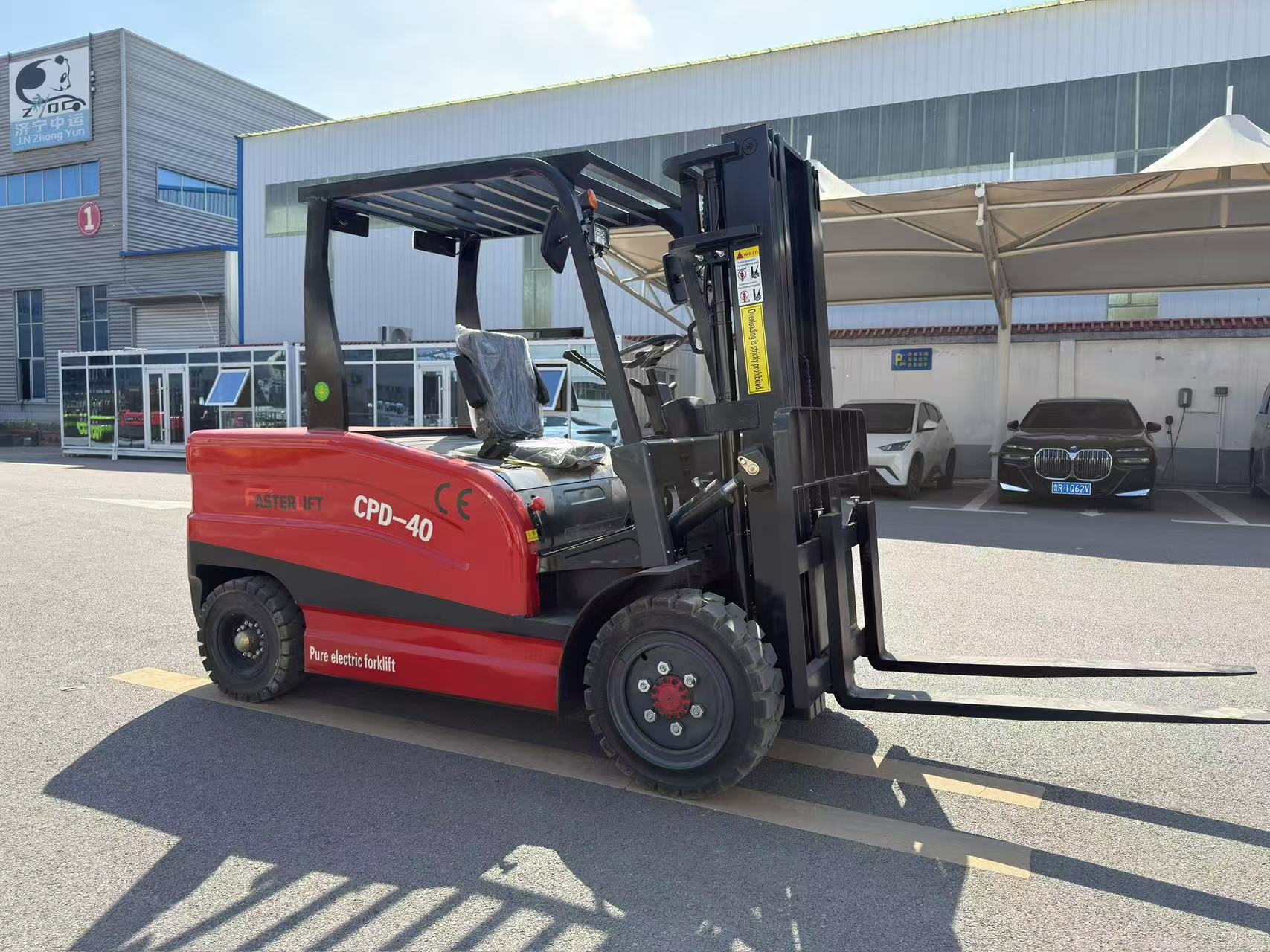
A forklift sitting idle for 40% of its shift isn’t just parked metal — it’s capital draining your warehouse budget. Most fleets operate at 50-65% utilization without management realizing it.
What Is Fleet Utilization — and Why It Matters
Utilization rate = (actual operating hours ÷ available hours) × 100. A healthy target: 75-85%. Below 60% means you’re over-fleeted. Above 90% suggests you need another unit to avoid overtime and rushed maintenance.
1. Track Actual Utilization by Unit
Stop guessing. Use telematics or at minimum a daily log. BaGong forklifts support optional IoT modules that transmit runtime, load cycles, and idle time to a cloud dashboard. Without data, every fleet decision is a bet.
2. Right-Size Your Fleet by Tonnage
Running a 3.5-ton truck for 1-ton pallets wastes energy and tires. Match capacity to actual loads:
| Typical Load | Recommended Forklift | Price (FOB) |
|---|---|---|
| Up to 1,800 kg | 2T CPD-2.0 | $4,400-$6,200 |
| 1,800-2,300 kg | 2.5T CPD-2.5 | $5,250-$7,200 |
| 2,300-2,800 kg | 3T CPD-3.0 | $6,050-$8,050 |
| 2,800-3,500 kg | 3.5T CPD-3.5 | $7,150-$9,150 |
3. Schedule Charging Around Shift Patterns
With LiFePO4 batteries (1-2 hour charge), schedule top-ups during operator breaks and shift changes. This eliminates the “waiting for charge” downtime that plagues lead-acid fleets. One LiFePO4 forklift can deliver 20+ hours of operation with two short charging breaks — effectively covering two shifts with one machine.
4. Rotate Units to Equalize Hours
Without rotation, “favorite” forklifts accumulate 3× the hours of others, leading to staggered maintenance schedules and premature wear on high-use units. Assign trucks by position, not by preference. Review our battery maintenance guide for wear-equalization schedules.
5. Benchmark Against Industry Standards
According to MHI (Material Handling Institute) benchmarks, high-performing warehouses achieve 80%+ fleet utilization with average cost per pallet move below $0.85. If your fleet runs below 65%, every 10 points of improvement typically saves $8,000-$12,000 annually per truck.
FAQ
Q: How do I calculate the right fleet size?
Total daily pallet moves ÷ (moves per hour × operating hours × utilization target). A warehouse moving 800 pallets/day with 20 moves/hr over 8 hours at 80% utilization needs ~6 forklifts.
Q: Is it cheaper to add a forklift or improve utilization?
Almost always improve utilization. A new electric forklift costs $4,400+ upfront. A telematics system costs ~$50/month per unit and typically boosts utilization by 15-20%.
Build a Leaner, Meaner Fleet
Explore BaGong’s full electric forklift range — from 2-ton to 4-ton — all with optional IoT telematics for real-time utilization tracking. Also check the 3.5-ton CPD-3.5 for heavy-duty applications. FOB Shanghai, global shipping available.
📧 bagongmachinery@gmail.com | 🌐 www.forklifte.com
I have been running a mixed fleet (electric and LPG) for about 5 years now and point #2 about scheduled maintenance alignment really resonates. We used to service each truck independently and it was chaos. Once we switched to grouping maintenance around the same schedule, downtime dropped by about 30%. The tire rotation tracking tip is also solid — uneven wear is such a common issue that gets ignored until someone complains. Saved this for my next team meeting.