

Blog
Fleet Management Best Practices for Electric Forklift Warehouses

Your warehouse has eight forklifts but only five are ever actually working. The other three are sitting on chargers, waiting for batteries that won’t hold a full shift, or down for maintenance that nobody scheduled. You’re running a 62% utilization rate and calling it “normal.” It’s not — and it’s costing you a fortune.
Utilization Rate: The Metric That Exposes Everything
Top-quartile warehouses run 85%+ fleet utilization. The middle performers hover around 70%. If you’re below 65%, every 5-point improvement adds roughly $18,000-$25,000 per year in recovered productivity for a 10-truck fleet. The fix isn’t buying more forklifts — it’s managing the ones you have.
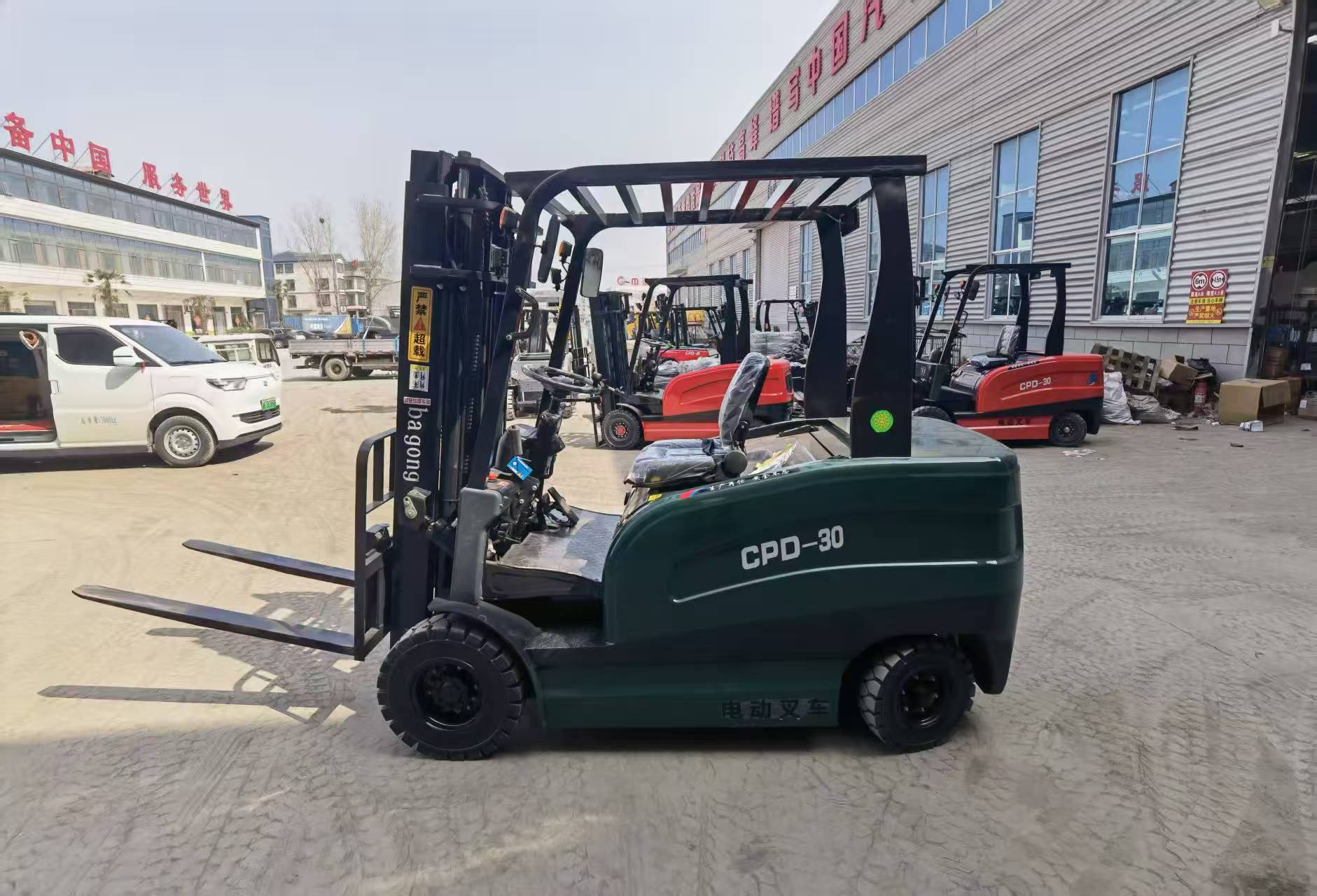
Start with telemetry data. Even basic hour meters tell you which trucks are overworked and which are barely touched. The U.S. Department of Energy has highlighted the growing adoption of electric forklifts as a key strategy for reducing warehouse emissions and operating costs. BaGong electric forklifts track operating hours, lift cycles, energy consumption, and fault codes — all accessible through a standard CAN-bus interface that feeds into most warehouse management systems.
BaGong electric forklifts come with CAN-bus telemetry tracking hours, cycles, energy & faults — the data foundation for fleet management. 2T from $4,400 FOB Shanghai, CE certified. Build a data-driven fleet.
Battery Rotation: The Scheduling Hack Nobody Uses
The single biggest fleet management failure is unplanned battery swaps. When a forklift dies mid-aisle, you lose the operator, block the lane, and scramble a spare truck. The solution is battery rotation scheduling: assign each forklift a battery change window (e.g., 30 minutes before shift change) and enforce it. Lead-acid batteries need 8 hours to charge + 8 hours to cool. According to OSHA warehouse safety standards, proper layout and equipment selection significantly reduce workplace hazards. LiFePO4 batteries charge in 2 hours with zero cooldown — a game-changer for multi-shift operations.
For mixed fleets, group LiFePO4 trucks on heavy shifts (nights, peak season) where fast charging keeps them moving. Assign lead-acid trucks to predictable day shifts with built-in charge windows.
FAQ
Q: How many spare forklifts should a warehouse keep?
A: One spare per 8-10 active trucks. More than that suggests a maintenance problem, not a capacity problem.
Q: Is it better to lease or buy electric forklifts for fleet management?
A: For fleets of 5+, buying typically wins on 5-year TCO. The exception is seasonal operations where utilization drops below 40% for 4+ months.
Maximize your warehouse throughput. Explore BaGong electric forklifts with built-in telemetry and rapid-charge LiFePO4 options. 2.5-Ton for Narrow Aisles | 3.5-Ton Heavy-Duty | More Warehouse Solutions →