

Blog
Electric Forklift Parts and Components: A Visual Guide for Buyers and Operators

Whether you are buying your first electric forklift or managing a growing fleet, understanding the main parts and components helps you make smarter purchase decisions, communicate better with suppliers, and spot maintenance issues before they become downtime.
The Mast Assembly
The mast is the vertical frame at the front that raises and lowers loads. Standard options include 2-stage (limited free lift), 3-stage (full free lift — ideal for containers and low-clearance doorways), and 4-stage masts for high-rack warehouses. Mast height and free lift specifications directly determine where your forklift can operate.
Forks and Carriage
The forks attach to the carriage plate, which slides along the mast rails. Fork length, width, and thickness vary by capacity class. BaGong forklifts include side-shift functionality as standard, letting operators move forks left and right without repositioning the entire truck — a massive time-saver in tight aisles.
Battery and Power System
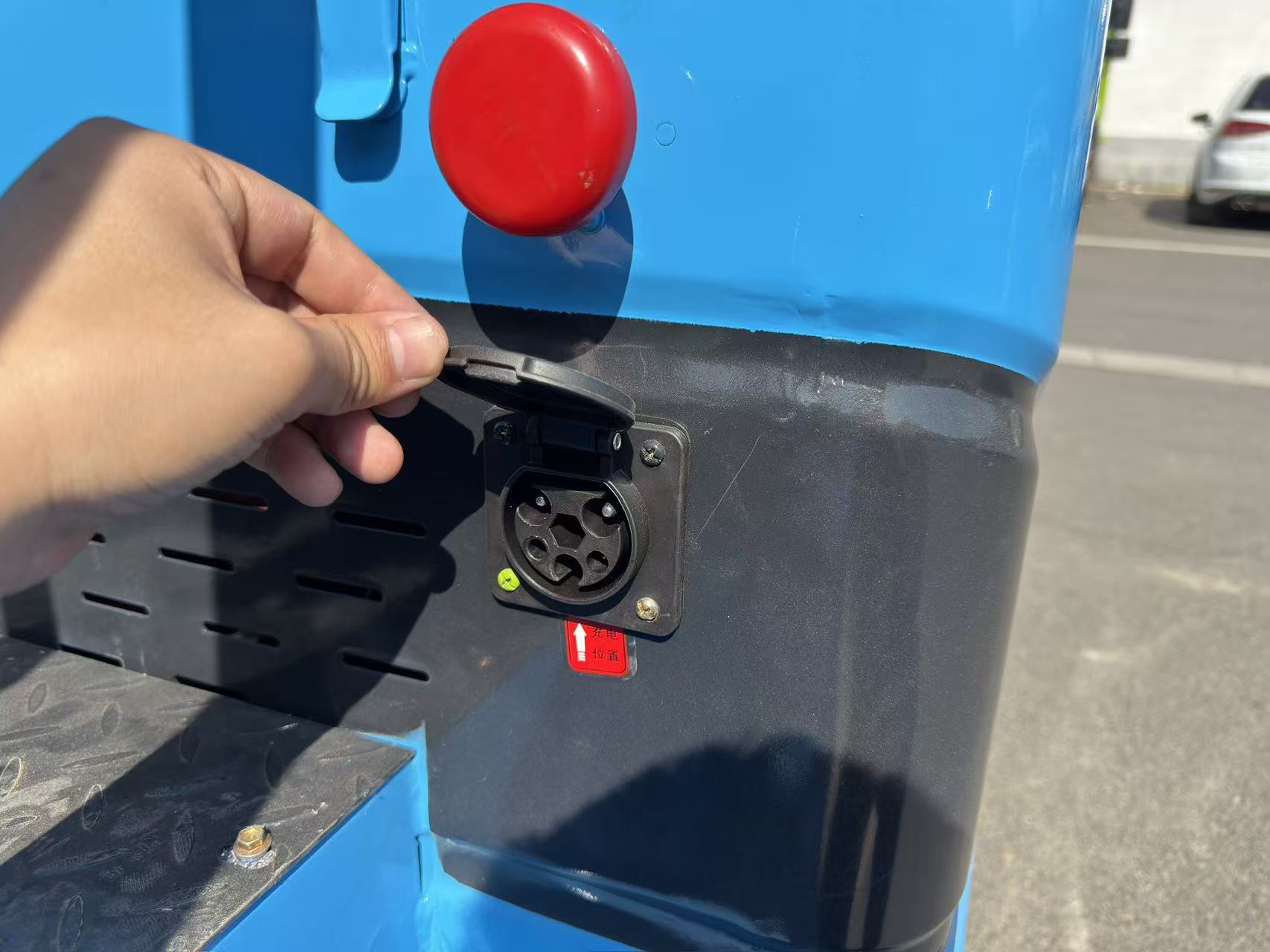
This is the heart of any electric forklift. BaGong offers two options: Chaowei lead-acid batteries (economical, proven) and LiFePO4 lithium batteries (fast charging, zero maintenance, 3,000+ cycles). The battery connects to the motor controller, which regulates power delivery. The charging port and power switch are easily accessible for quick battery swaps.
Drive and Hydraulic Motors
Electric forklifts use separate motors for traction (drive motor) and lifting (hydraulic pump motor). AC induction motors are the industry standard — reliable but not our favorite technology. The hydraulic system includes the pump, cylinders, control valves, and hoses that power lift, tilt, and side-shift functions.
Operator Cabin and Controls
The dashboard houses the key switch, battery indicator, hour meter, steering wheel, and control levers. BaGong cabins feature ergonomic layouts with clear visibility, fingertip hydraulic controls, and an optional fingerprint start system for fleet security.
For more on keeping these components in top condition, see our complete maintenance checklist and our guide on motor overheating causes and fixes.
Our 3.5-ton electric forklift showcases all these components in a heavy-duty CE-certified package — priced at $7,150 (lead-acid) or $9,150 (LiFePO4), FOB Shanghai.
FAQ
Q: What mast type do I need?
If you load/unload inside containers or have low doorways, choose a 3-stage mast with full free lift. For standard warehouse racking, a 2-stage mast is simpler and more affordable.
Q: How often should hydraulic hoses be inspected?
Monthly visual inspection is recommended. Look for cracks, leaks, or abrasion. Replace hoses every 3–5 years as preventive maintenance.
Q: Can I retrofit a lithium battery to an older lead-acid forklift?
In many cases yes, but it requires a compatible battery tray, charger, and sometimes a controller update. BaGong can advise on compatibility for existing fleets.
Know your machine. Reach out to BaGong for detailed specs, component breakdowns, or a custom quote tailored to your operation.
Finally a visual guide that doesn’t assume you already know every part name. The exploded view of the mast assembly was particularly useful for training new maintenance staff.
Nice comprehensive overview. One suggestion — adding a section on common wear points and replacement intervals would make this even more practical for fleet managers.
As someone sourcing replacement parts for our fleet of 18 electric forklifts in Hamburg, this visual guide is exactly what I needed. The motor controller section alone saved me from ordering the wrong component. Bookmarking this for our maintenance crew.